What do hydrogen and complexity have in common? In London for an advanced technical training course
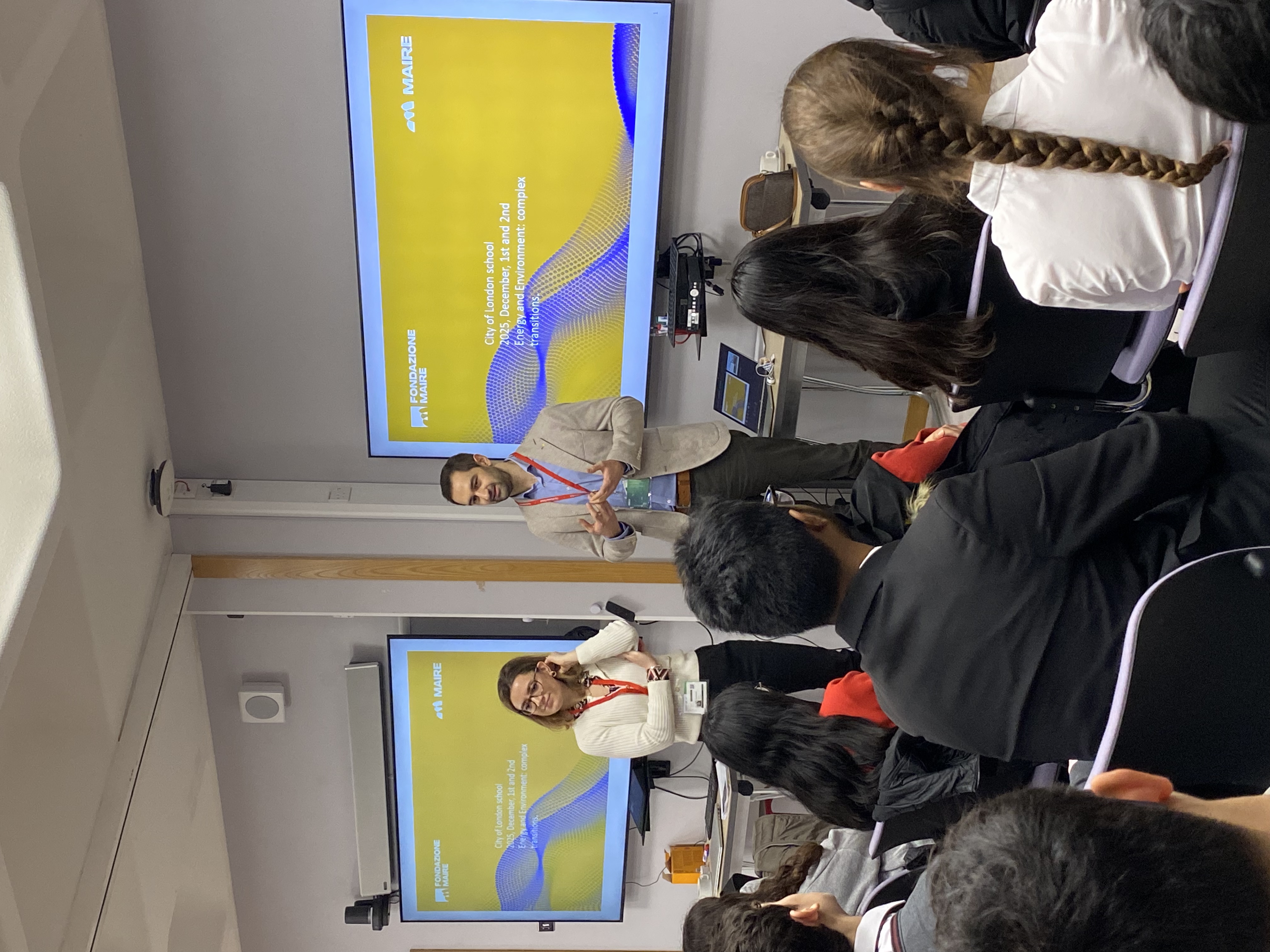
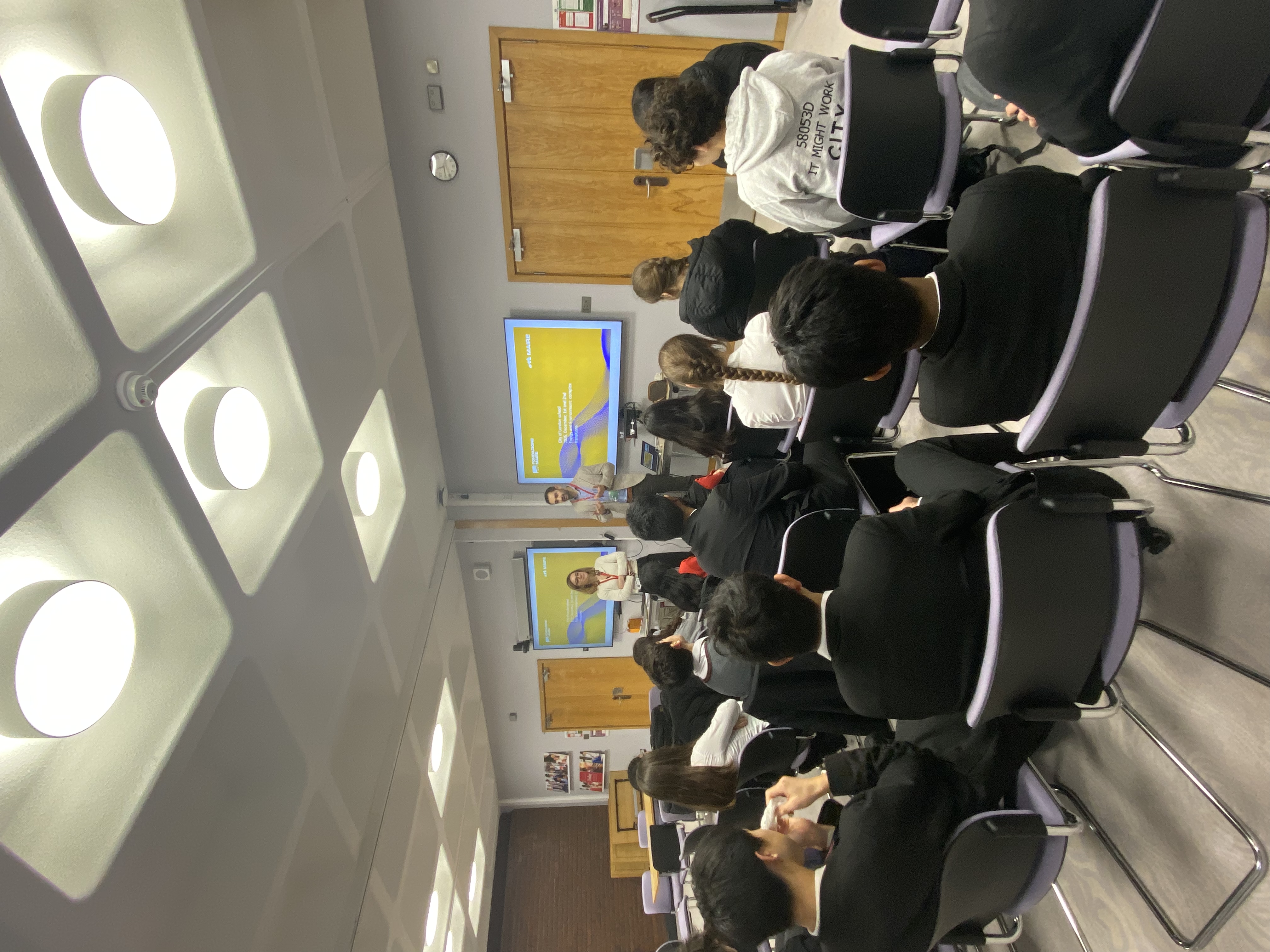
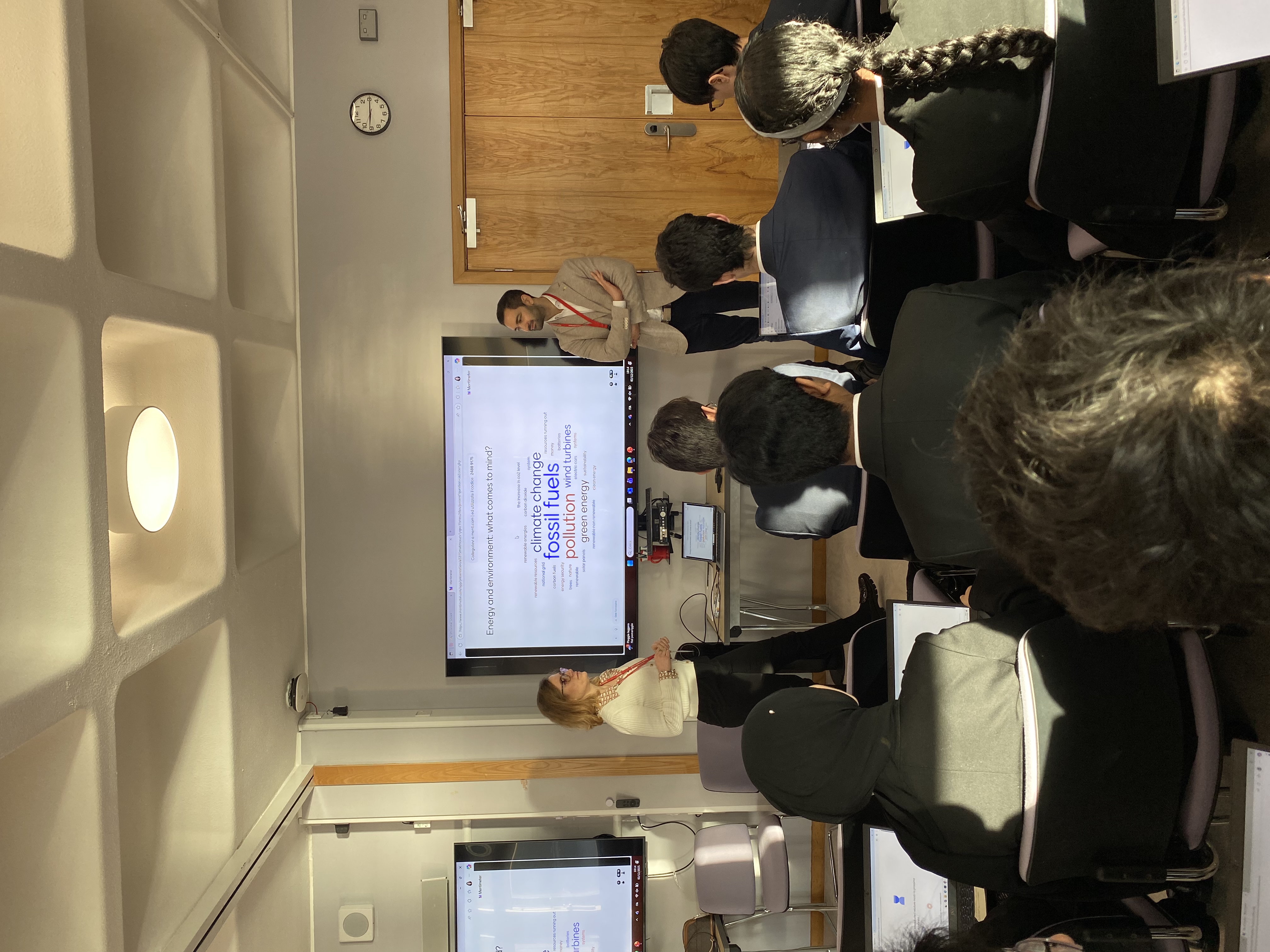
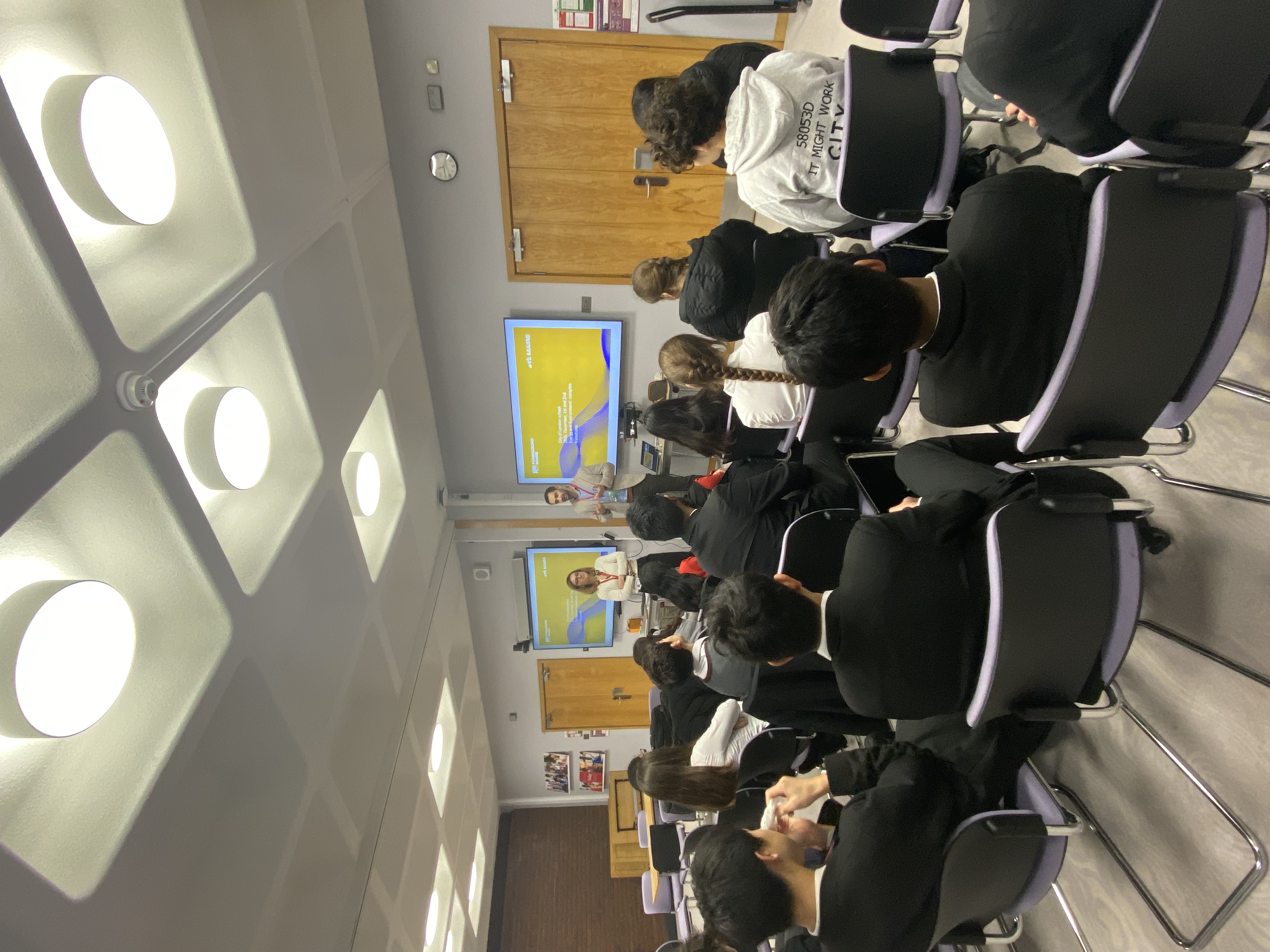
NEWSOur training course on sustainability, complexity, and hydrogen as an energy vector took place on December 1 and 2 in London. For the second consecutive year, the City of London School opened its classrooms to colleagues from Fondazione MAIRE and MAIRE, allowing us to deliver highly technical courses to young and brilliant students.
If it is true that climate change is the most complex challenge we face, then it is essential that young people begin to understand its nature, consequences, and, above all, mitigation tools from a very early age.
Thus, the Fondazione MAIRE – ETS and some colleagues from the MAIRE group flew to London to meet the very young Year 10 and Year 12 classes of the prestigious London school, each composed of 20 students. Two training days, each lasting 7 hours, were held on December 1 and 2 to address a variety of topics: on the one hand, in continuity with last year, the potential of hydrogen as an energy vector was investigated; on the other hand, a new vertical approach was introduced to investigate complexity. This is because the energy transition itself is a complex, multi-layered challenge involving technologies, processes, and systems, and therefore economics, politics, administration, and territories, so in addition to training students on energy carriers, decarbonization solutions and processes currently in use or under study and development, and technologies currently on the market, we added training on how to deal with complexity, how to break it down to bring it back to a level of simplicity, and how to understand how to act with and on it.
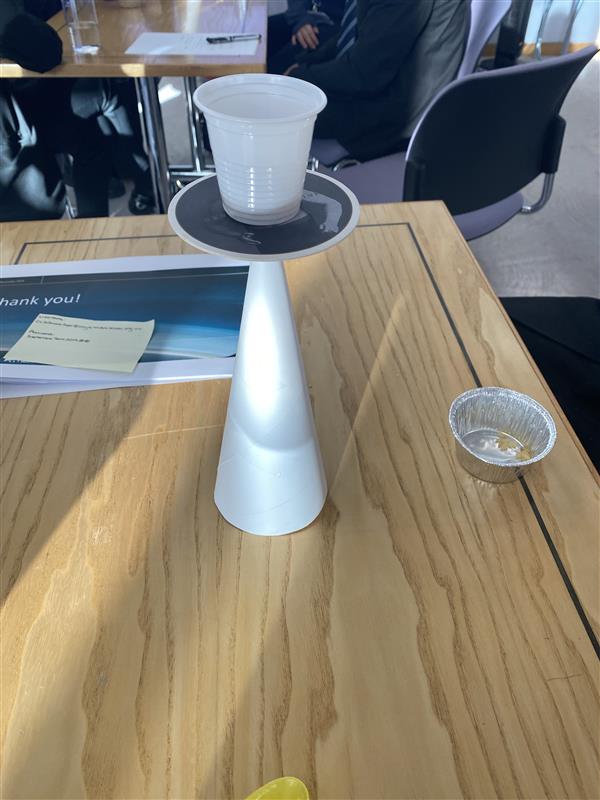
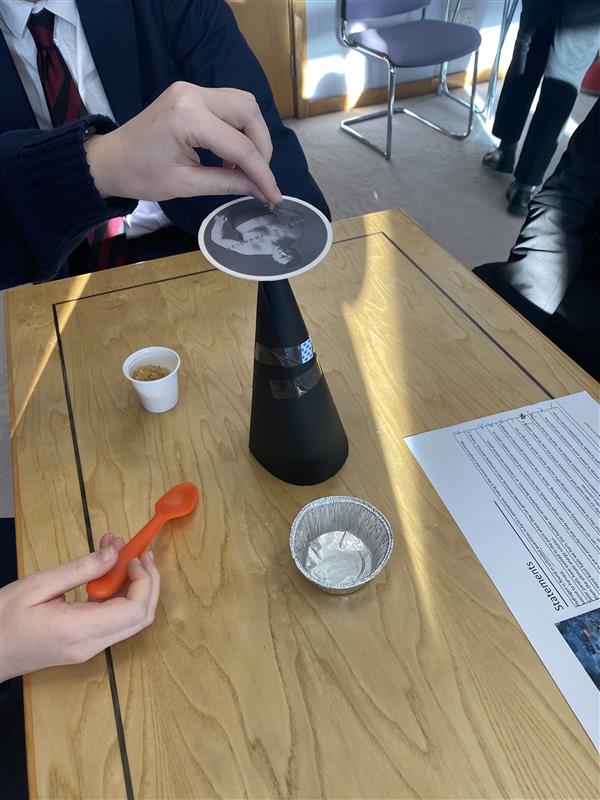
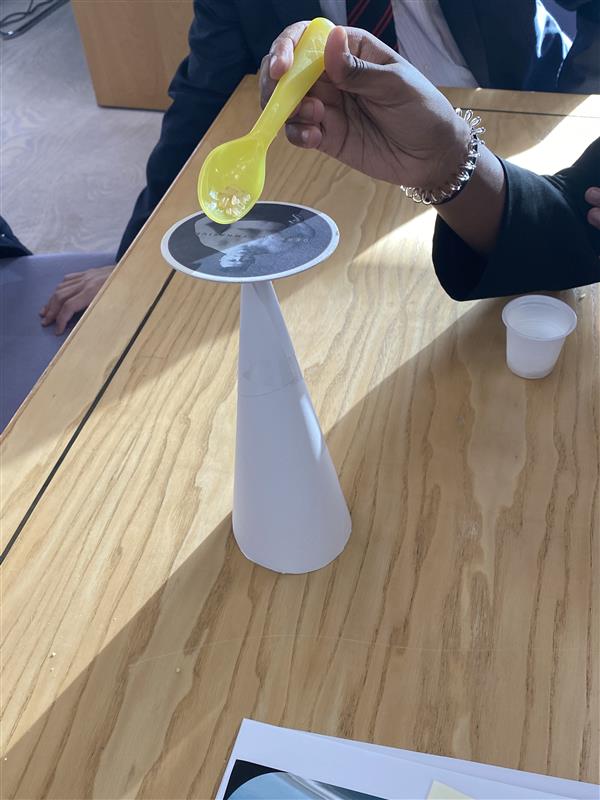
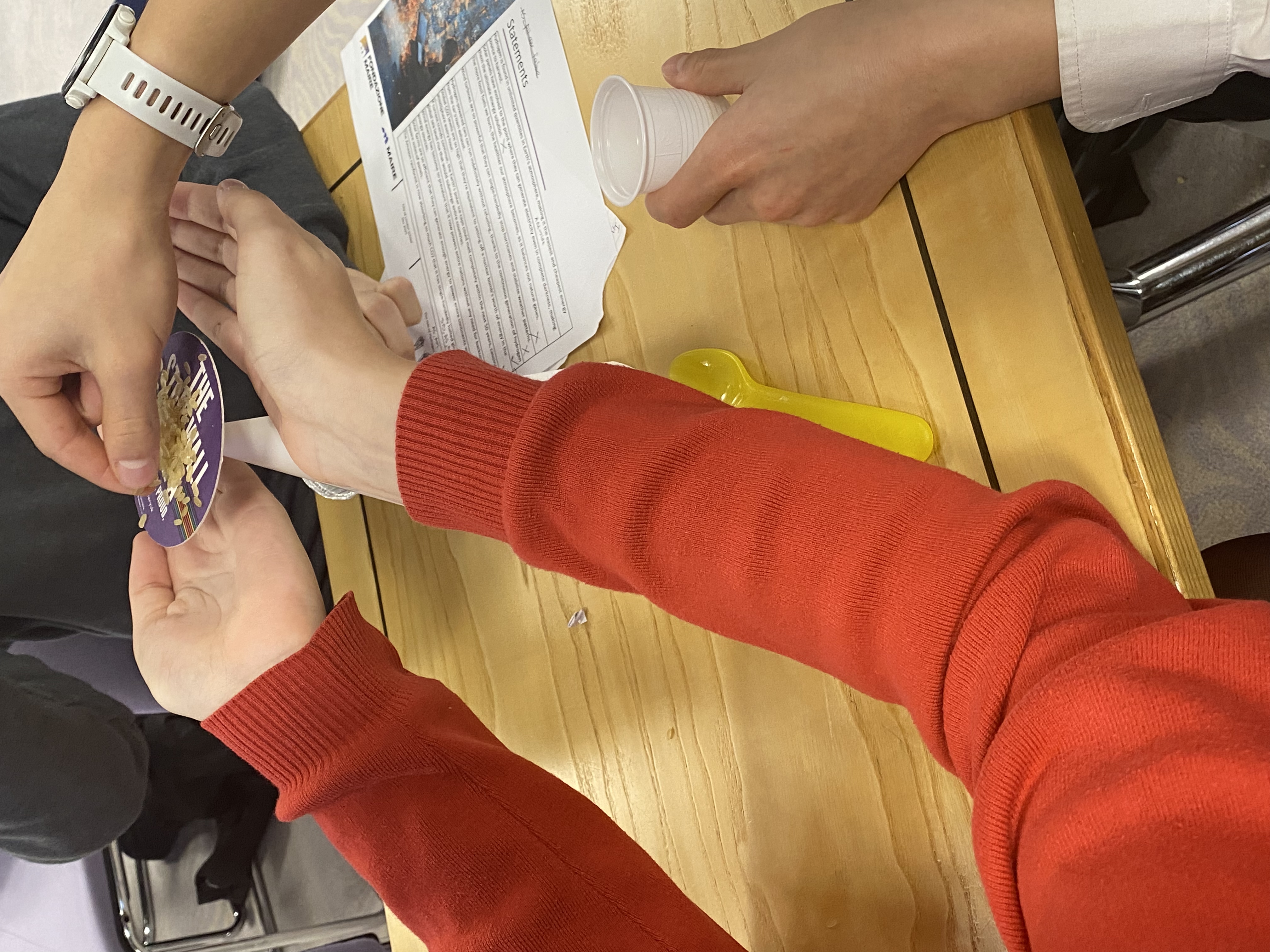
Technical and classroom lessons alternated with classroom discussions (using debate-style gamification) and workshop activities (from the “rice game,” now a staple of these training courses, to the creation of the hydrogen-powered city of the future), in the belief that the active involvement of students can always enhance their ability to learn about the topics, increase their interest, and allow us to understand their point of view.
We sincerely thank the young students who participated in the courses with attention and imagination, as well as the Institute and the teachers who welcomed us. Thanks also to our MAIRE colleagues who always make their expertise available to train the “humanist engineers” of tomorrow!
See you next year!
DONATE NOW!
If you would like to support the training projects of the Fondazione MAIRE - ETS, please donate to our “Education4Future” campaign on Rete del Dono.
“Working alongside young people to build a more sustainable tomorrow.”