
THE HUMANIST ENGINEER: PARADIGM AND RESEARCH
In our training initiatives, as well as on our channels, we often mention the term “humanist engineer.” Our manifesto states: “The Fondazione MAIRE – ETS is a Ente del Terzo Settore (Third Sector Organization) whose mission is to train the ‘humanist engineers’ of tomorrow.”
But who is this humanist engineer? What do we mean by this?
In our vision, the “humanist engineers” of tomorrow are figures capable of contributing to the evolution of humanity by providing innovative, economically and environmentally sustainable technological solutions, and able to interpret social, ethical, and environmental needs in the era of energy transition and digitalization. These are figures equipped with soft skills, a cross-cutting vision, and a multidisciplinary approach.
But there is more: the “humanist engineer” is taken as a metaphor for the cultural, economic, and social change that the 21st century requires of us in order to tackle the climate crisis.
In the wake of the consolidation of these reflections, also through the activities of our study and research department, in 2024 we decided to tackle the issue from a scientific perspective, funding a scholarship focused specifically on the figure of the humanist engineer, and with it an analysis of the demands of the business world on engineering professionals, to investigate how this role has evolved over the decades and what skills are now considered essential and strategic.
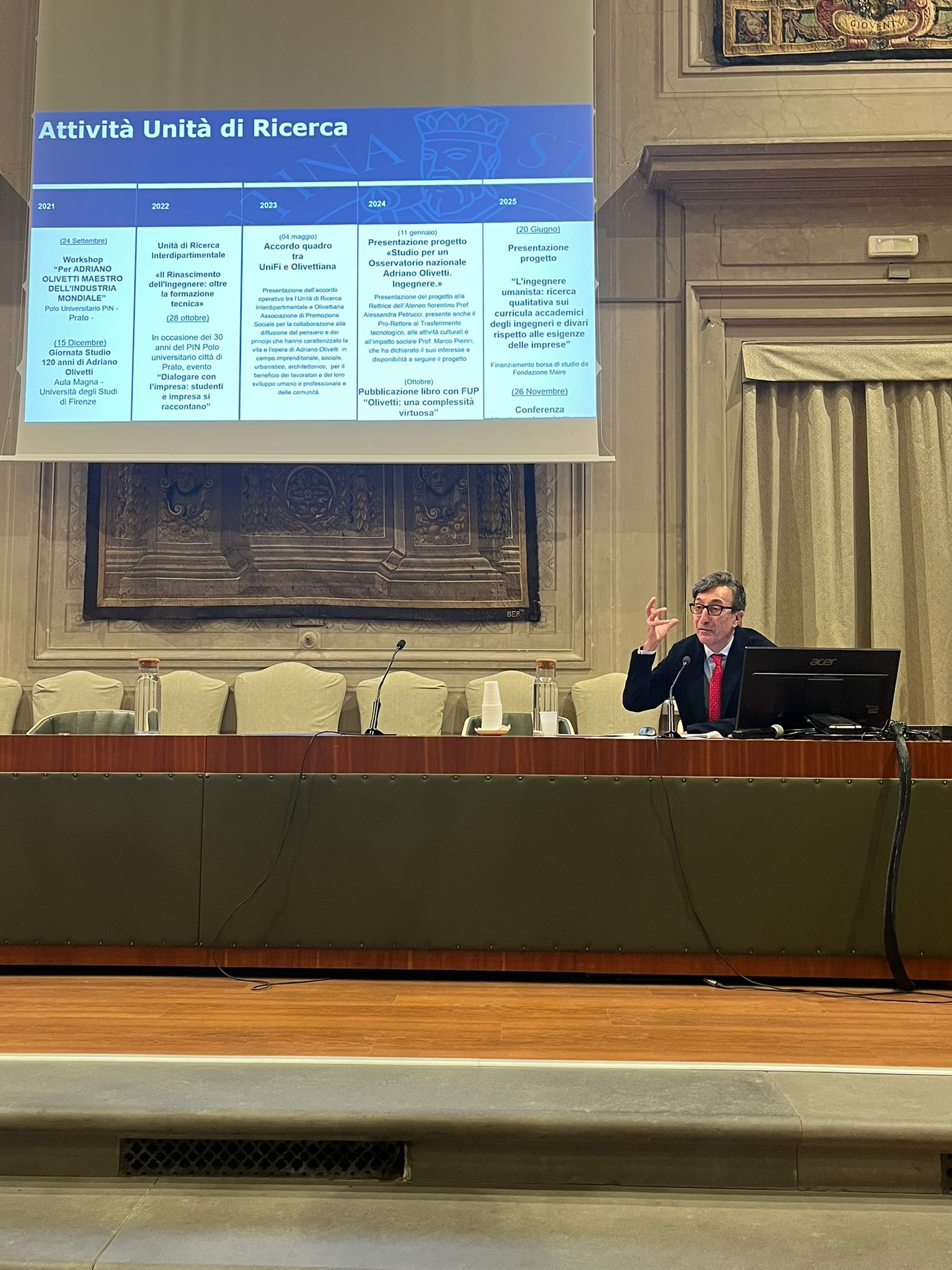
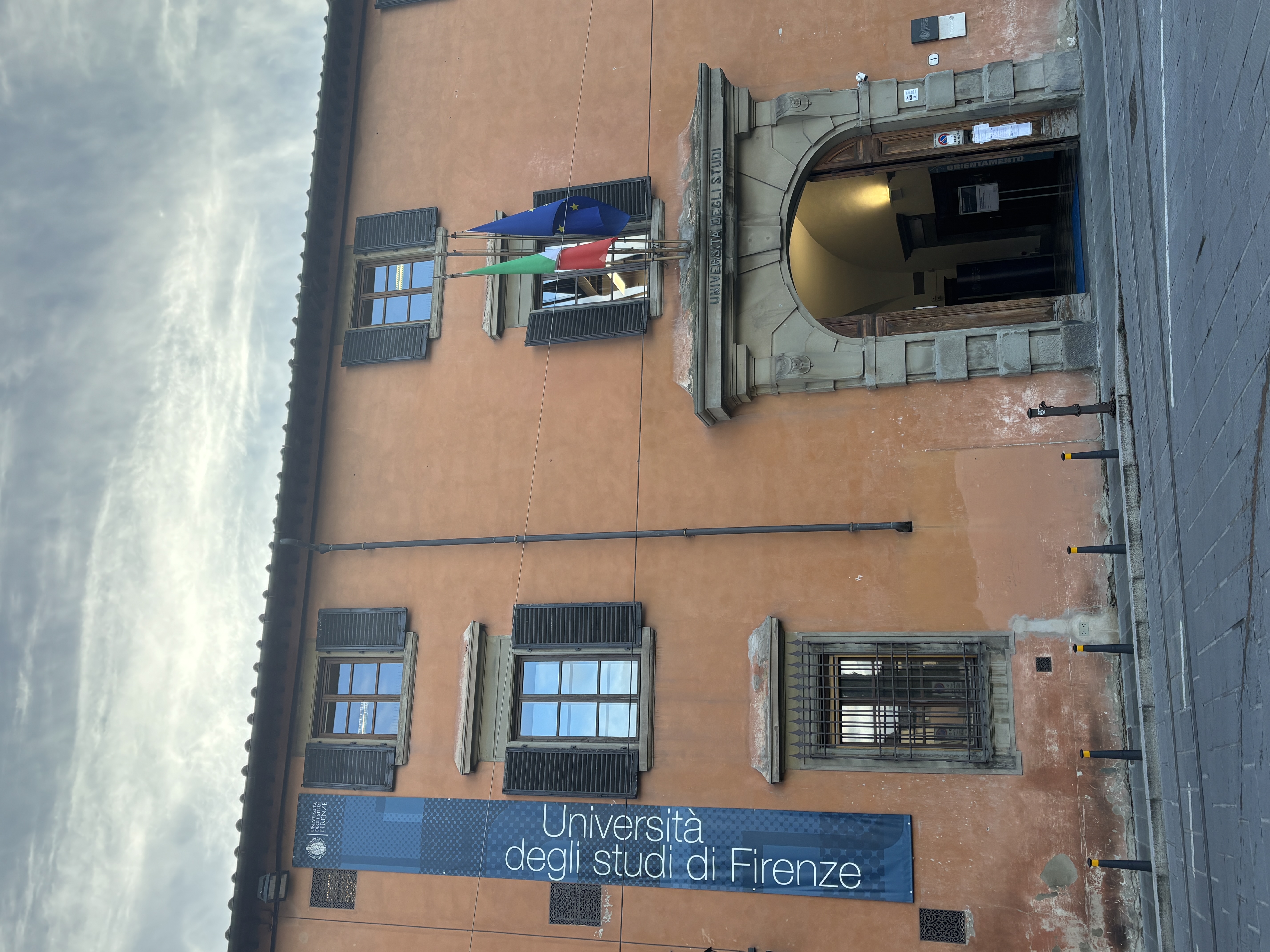
Thus, in 2024, a research project was launched in collaboration with the University of Florence (Università degli Studi di Firenze, UniFi) and the Olivettiana APS Association. The Fondazione MAIRE – ETS supported the funding of a research grant; UniFi created a working group composed of representatives from the departments of Industrial Engineering (DIEF), Architecture (DIDA), Civil and Environmental Engineering (DICEA), Education, Languages, Intercultural Studies, Literature, and Psychology (FORLILPSI); they were supported by the Olivettiana Association.
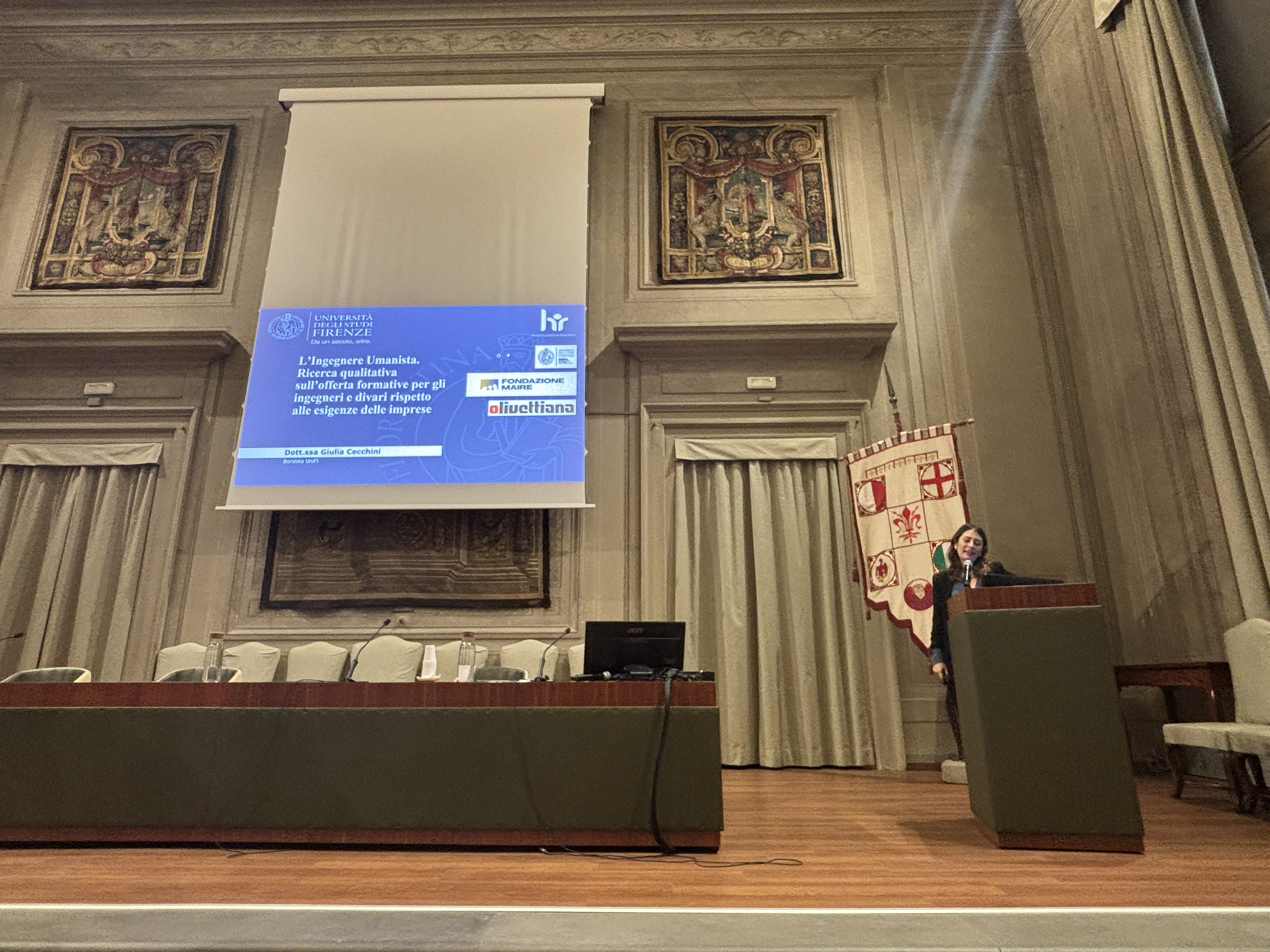
The survey was conducted by research fellow Giulia Cecchini and culminated in the research report “L’Ingegnere Umanista. Ricerca qualitativa sull’offerta formative per gli ingegneri e divari rispetto alle esigenze delle imprese” (“The Humanist Engineer. Qualitative research on training opportunities for engineers and gaps in relation to business needs”.)
The research phases ranged from a theoretical plan (framing the transformations in the world of work and analyzing companies' vision, mission, and relationships with the local area) to a practical one, with focus groups and individual interviews with human resources managers from large companies on the one hand and engineers with various levels of seniority on the other.
The result is a stimulating picture, the framework for a new plan to conceive the training of the younger generations.
The challenges of internationalization and digitization are transforming the world of work; companies are looking for engineers who combine humanistic skills with technical and specialist skills, which is also changing recruitment and job placement processes. The survey explores how this evolution is reflected in the development of corporate strategies, positioning, and human resource management, as well as focusing on the main sectors and roles that are most in demand and lacking in the engineering sector. The role of the engineer is redefined, becoming that of the humanist engineer, and there is a perceived need to strengthen dialogue between companies, local areas, and places of education for the younger generations.
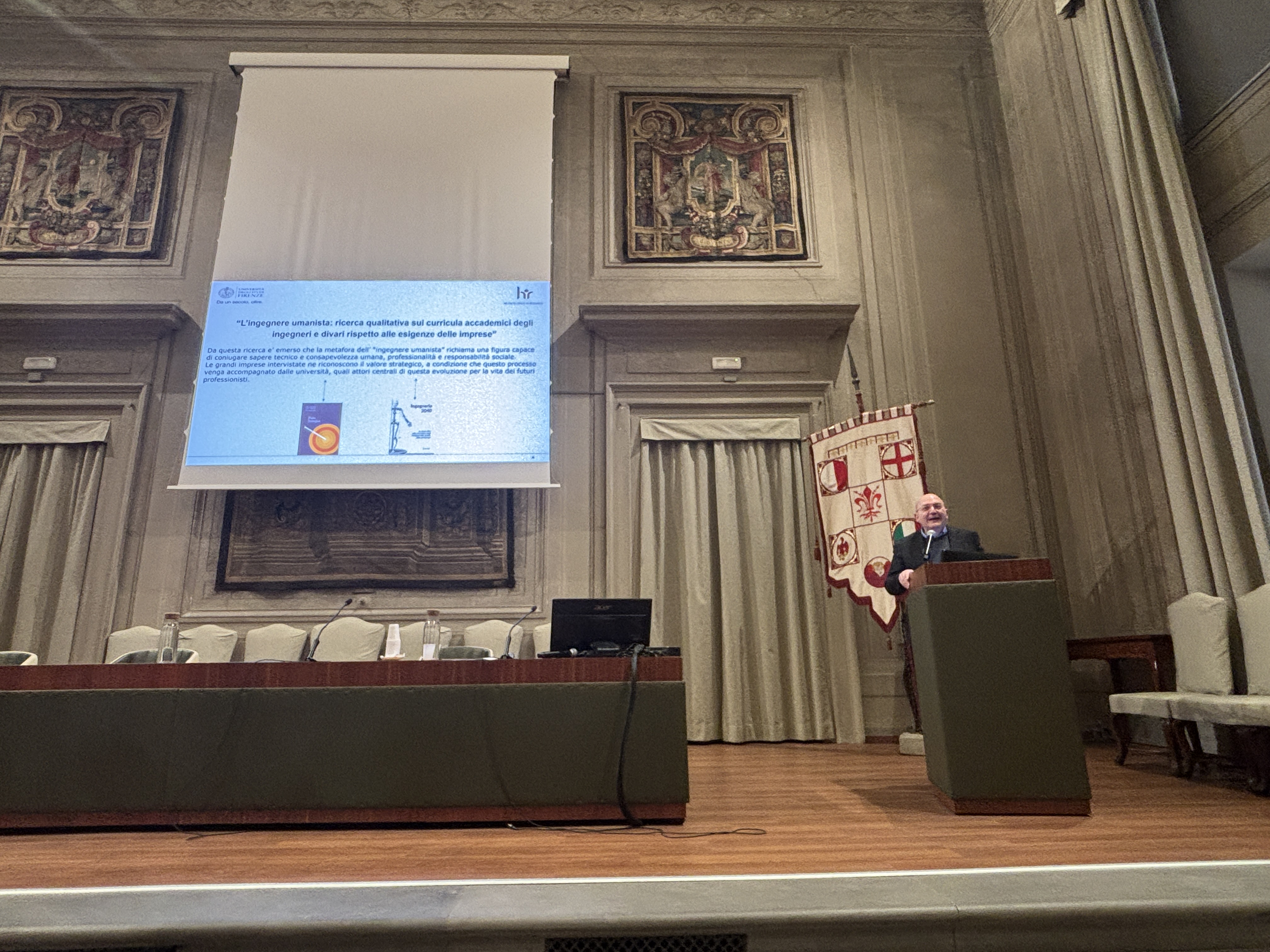
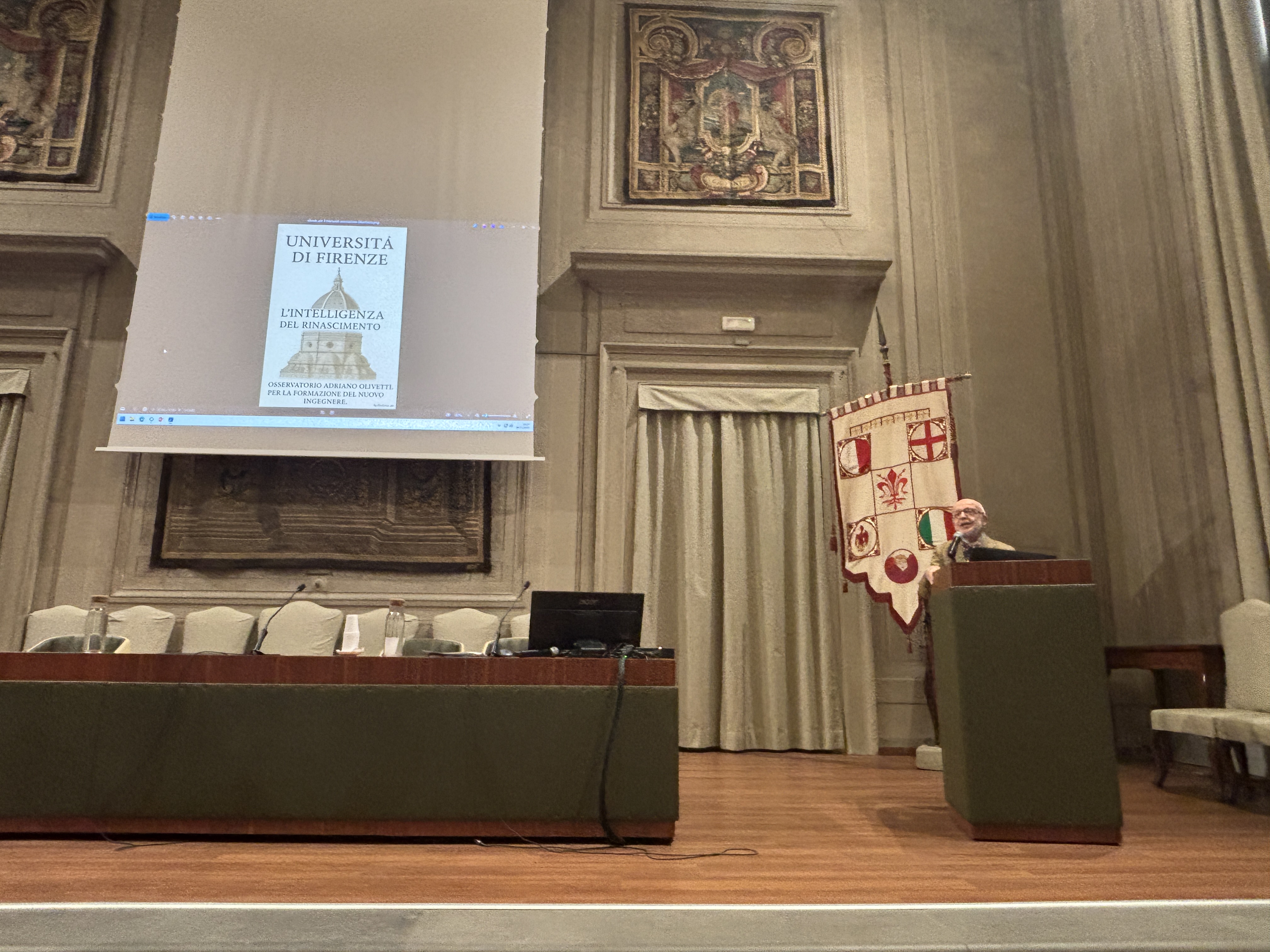
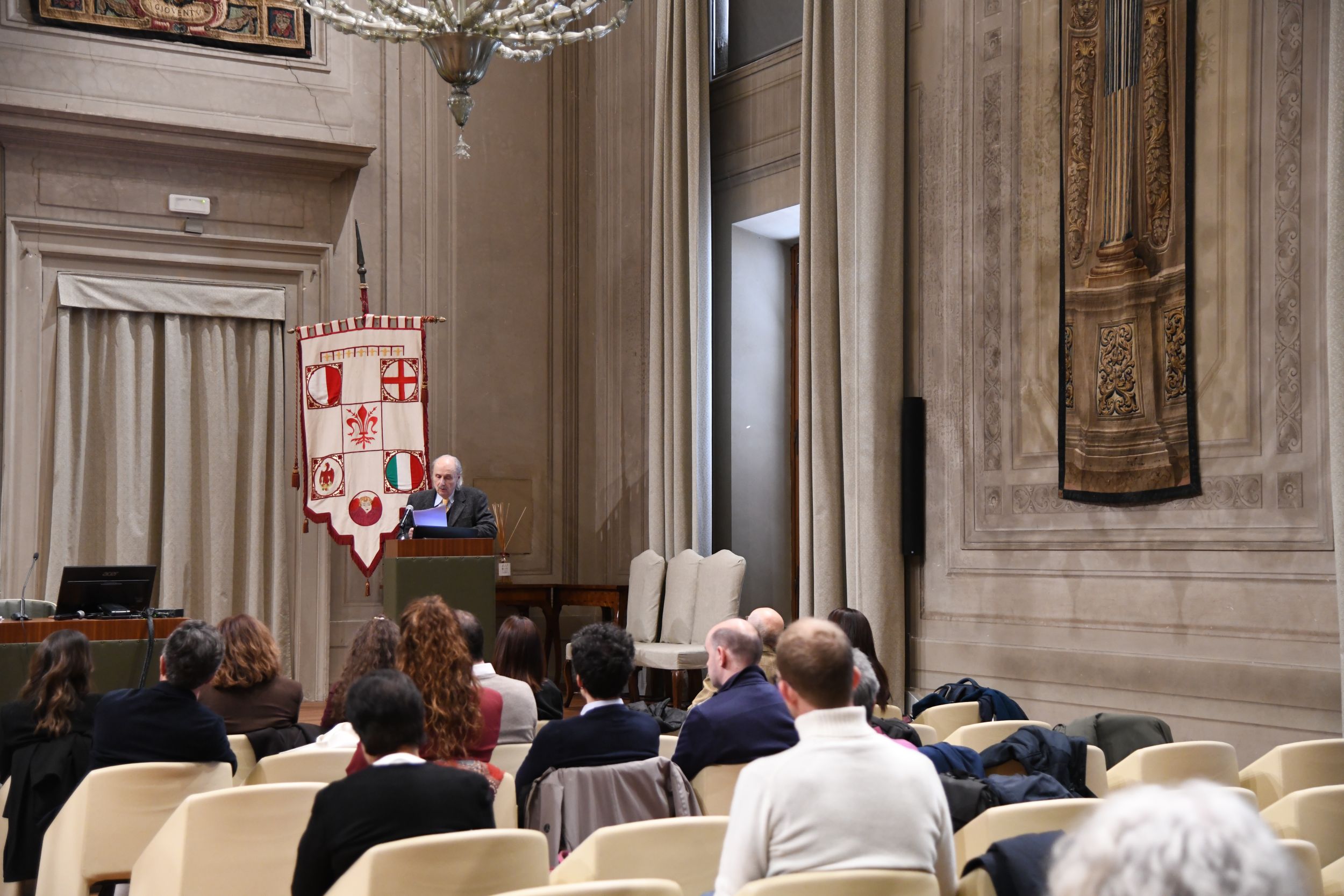
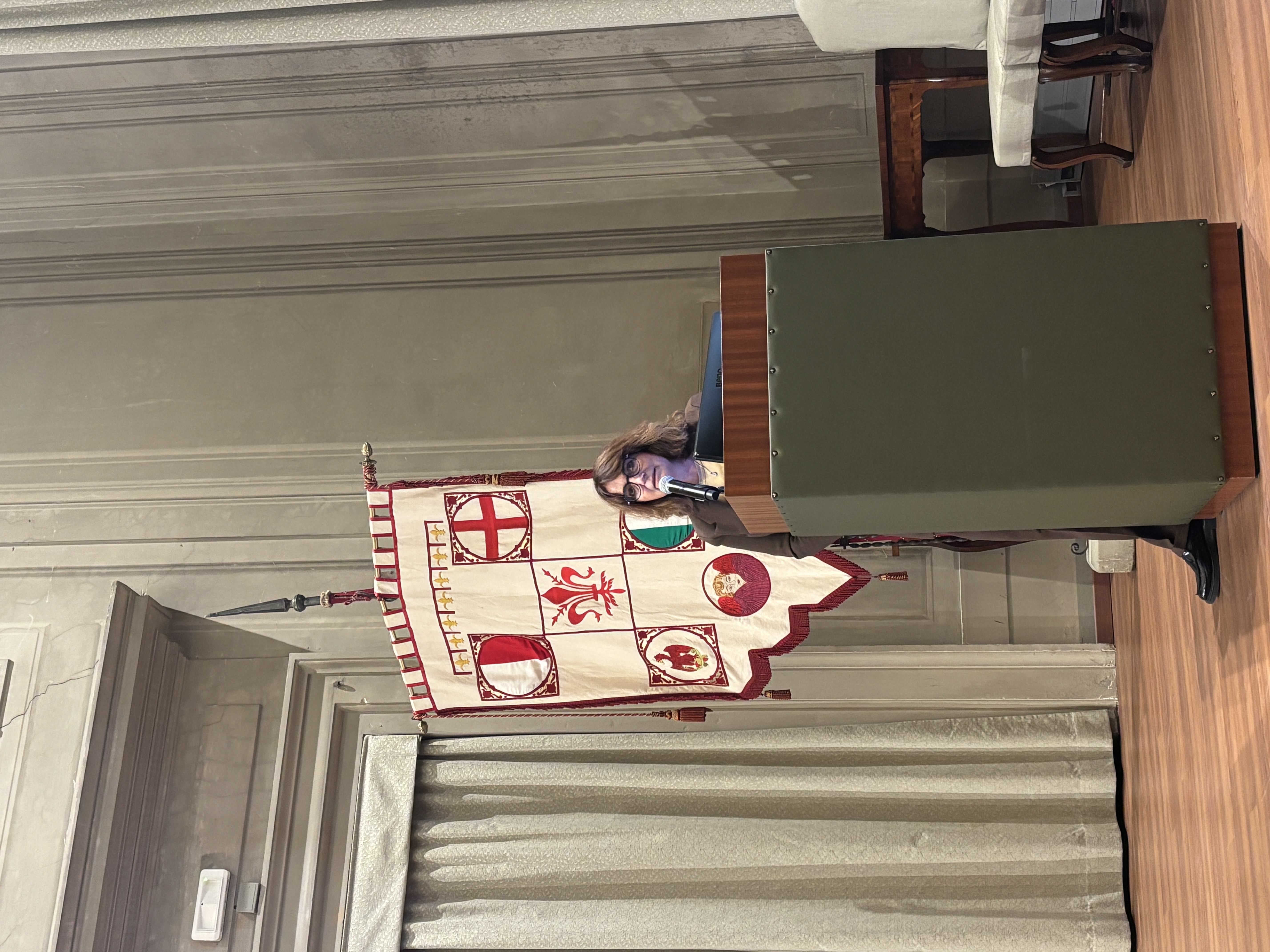
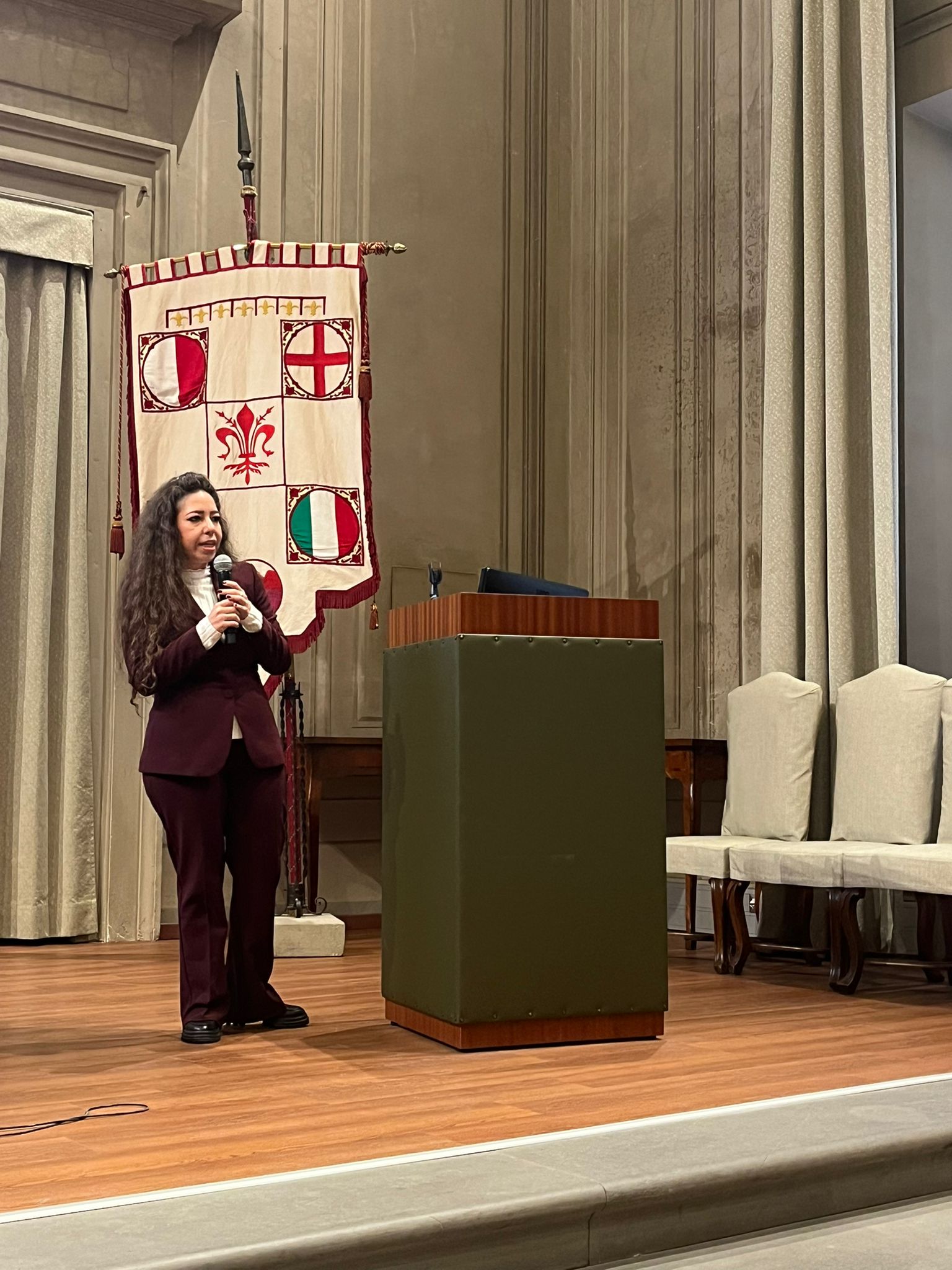
The main findings of this research were presented at the University of Florence during a conference held on November 26, 2025. [To read the news, click here].


EXPLORE THE "STUDIES" PAGE
To discover all our publications, international studies, and research grants, browse the “Studies” page of our website!