WHAT CAN THE INGENUITY OF THE ANCIENTS TEACH US ABOUT TODAY’S INNOVATION CHALLENGES?
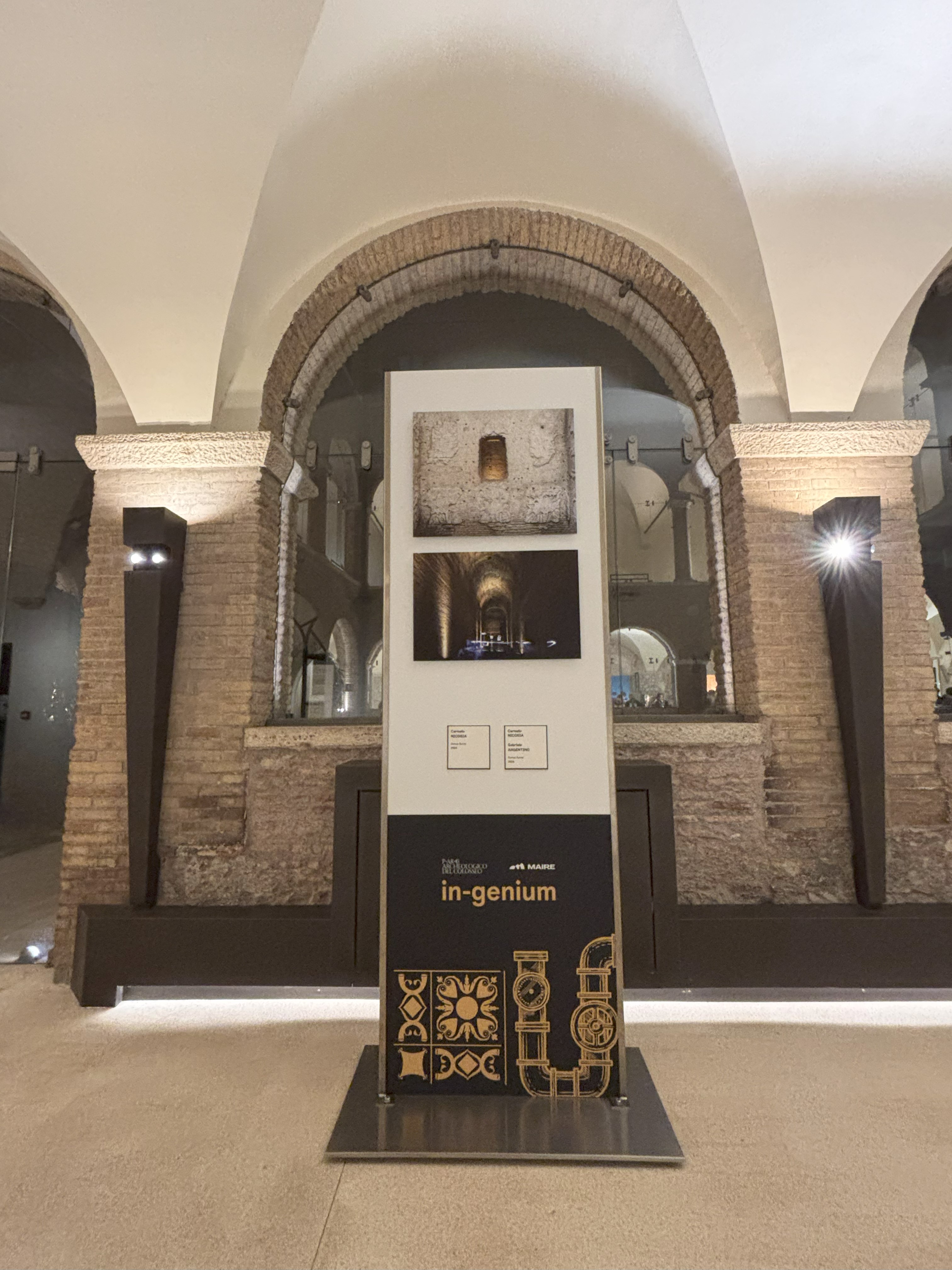
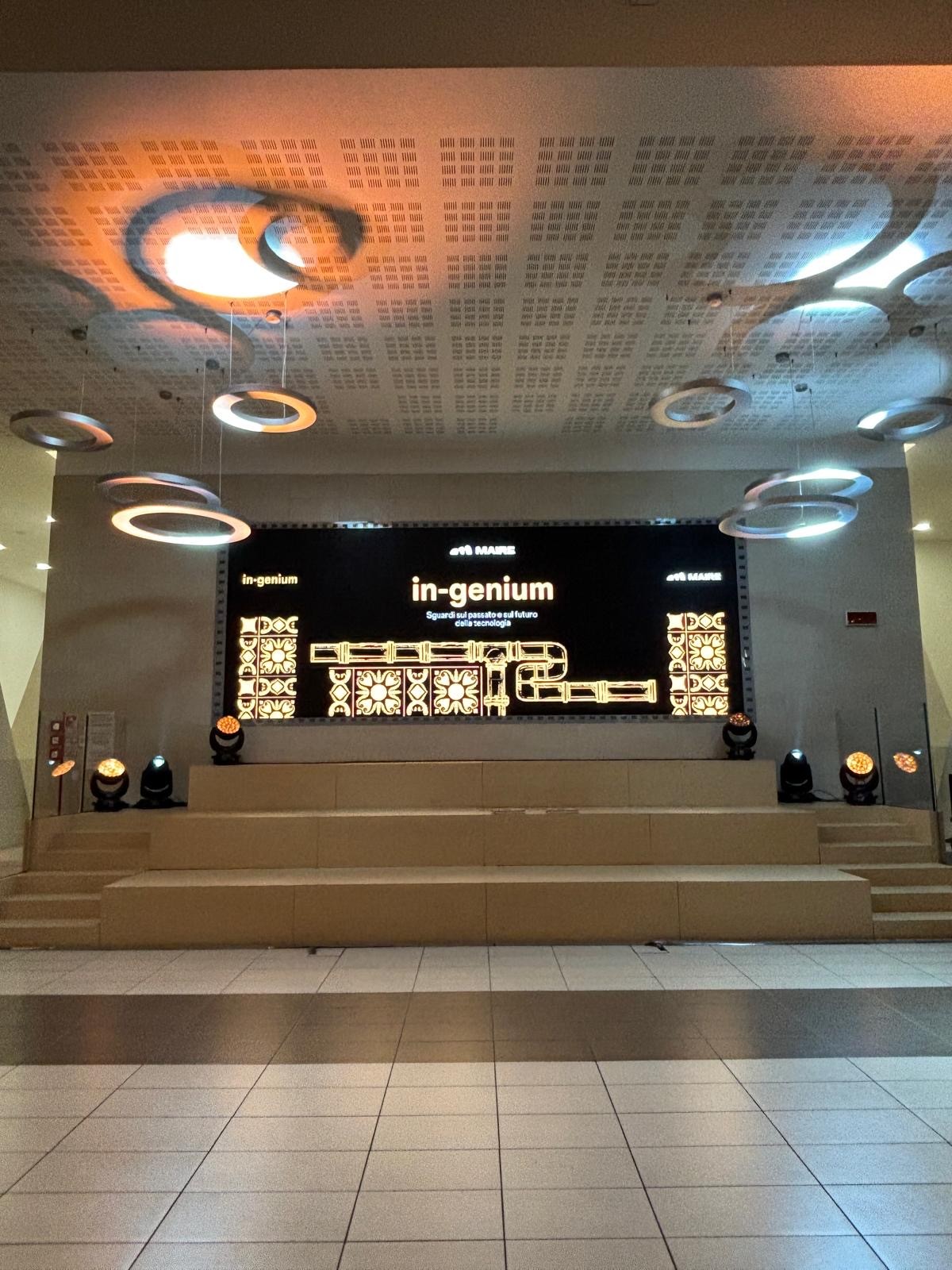
In Rome, the past is never truly past. The architecture, infrastructure, and structures that dot the city tell a story of technical expertise, design skill, and a vision of the future that continues to resonate with our own time. This reflection gave rise to “In-genium: Gazes into technology past and future” a cultural project promoted by MAIRE and Fondazione MAIRE — ETS in collaboration with the Colosseum Archaeological Park and the Italian Academies of Fine Arts in Brera, Catania, and Rome.
“In-genium” is a program of research, education, and outreach that brings together cultural heritage, contemporary art, and technological innovation. It is an invitation to view engineering not merely as a technical discipline, but as an expression of human ingenuity—the ability to imagine, design, and transform the world.
The project takes its name from the ancient Latin term *in-genium*: the creative faculty of human beings, the force that made the great works of antiquity possible and that today continues to guide the search for innovative solutions for a more sustainable future.
From the artist-in-residence program held in Rome to the book published by Silvana Editoriale, from the traveling photography exhibition to the “Futuro Anteriore” podcast produced by Chora Media and narrated by Jacopo Veneziani, “In-genium” has, over time, become a collaborative project that brings together cultural institutions, universities, young artists, professionals, and local communities through a variety of events.
A journey that looks to the roots of technology to envision the future and that calls for the development of a new generation of professionals: the humanist engineers of tomorrow, capable of combining technical expertise, cultural awareness, and a sense of responsibility toward society and the environment.
The photography book
The photography book “In-genium: Gazes into technology past and future” traces the history of téchne—the art of making and know-how—through the participation of students and professors from the Italian Academies of Fine Arts in Brera, Catania, and Rome, who took part in an experimental “artist-in-residence” workshop in Rome coordinated by Carmelo Nicosia.
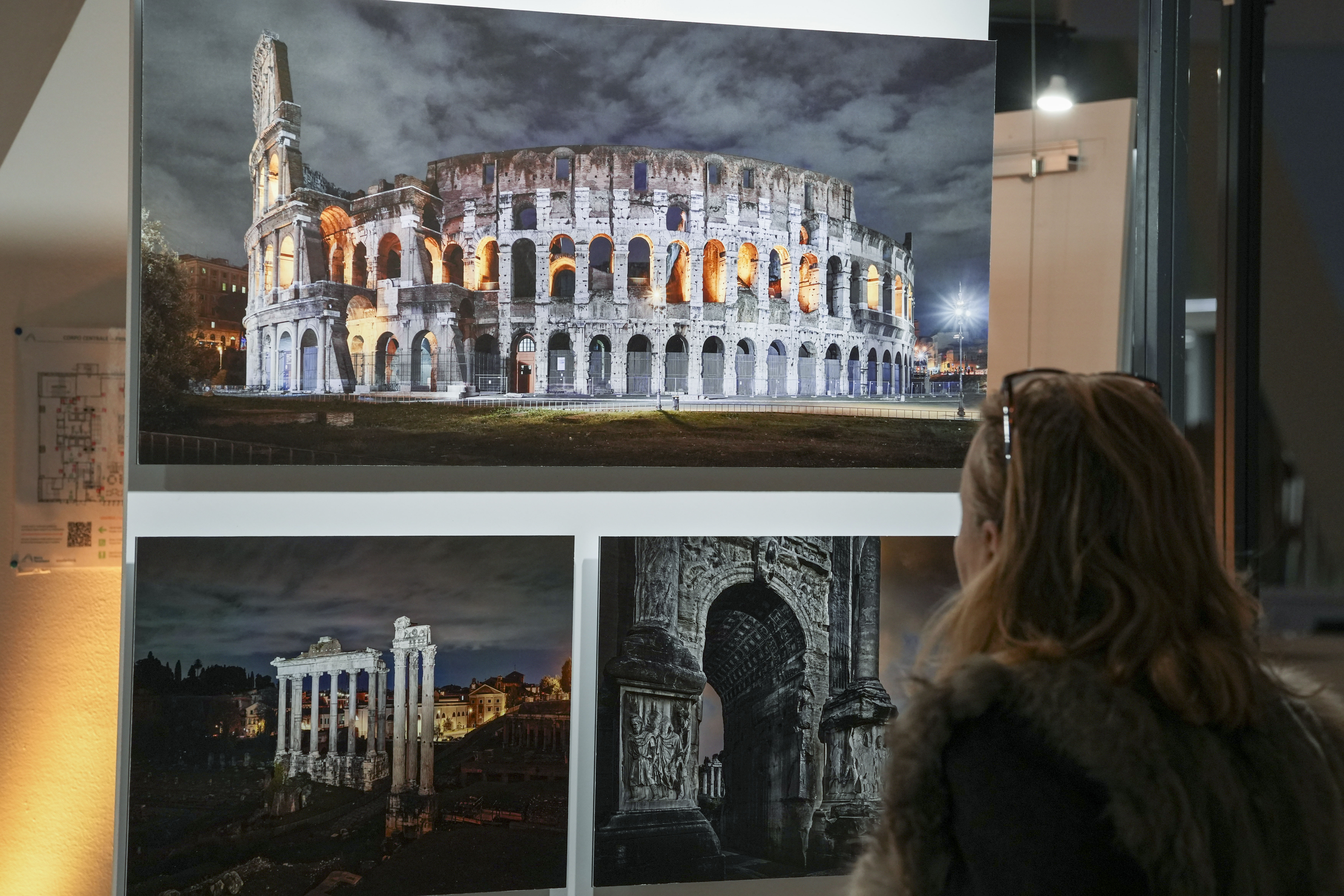
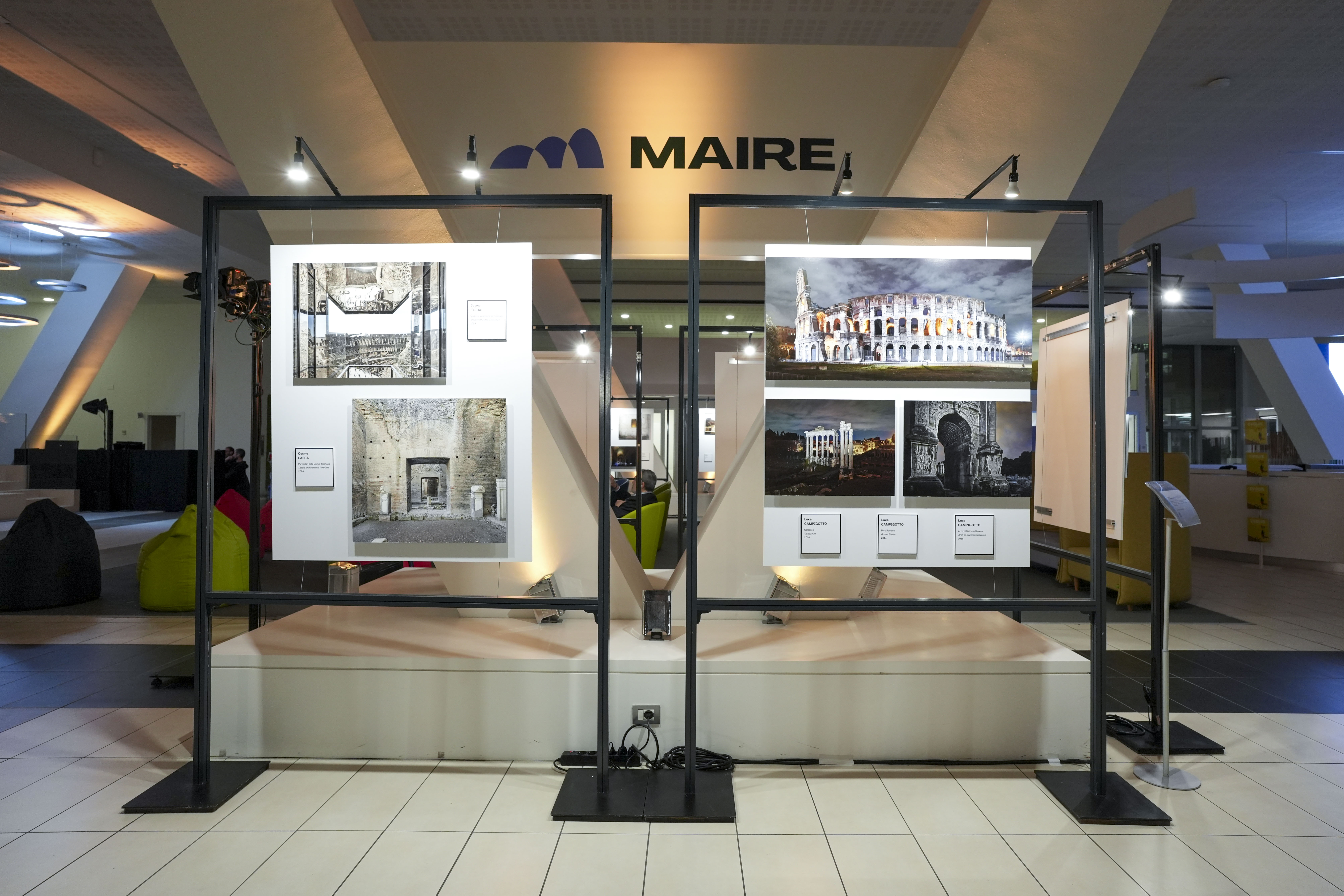
The book opens with a series of powerful photographs by Luca Campigotto, interwoven with industrial landscapes drawn from the archive of facilities built by MAIRE—an unprecedented pairing presented by Nunzio Giustozzi. Each section is preceded by an introduction exploring philosophy and semiotics, edited by Ilaria Gaspari, and by a fact sheet prepared by the archaeologists, architects, and restorers responsible for the various sites.
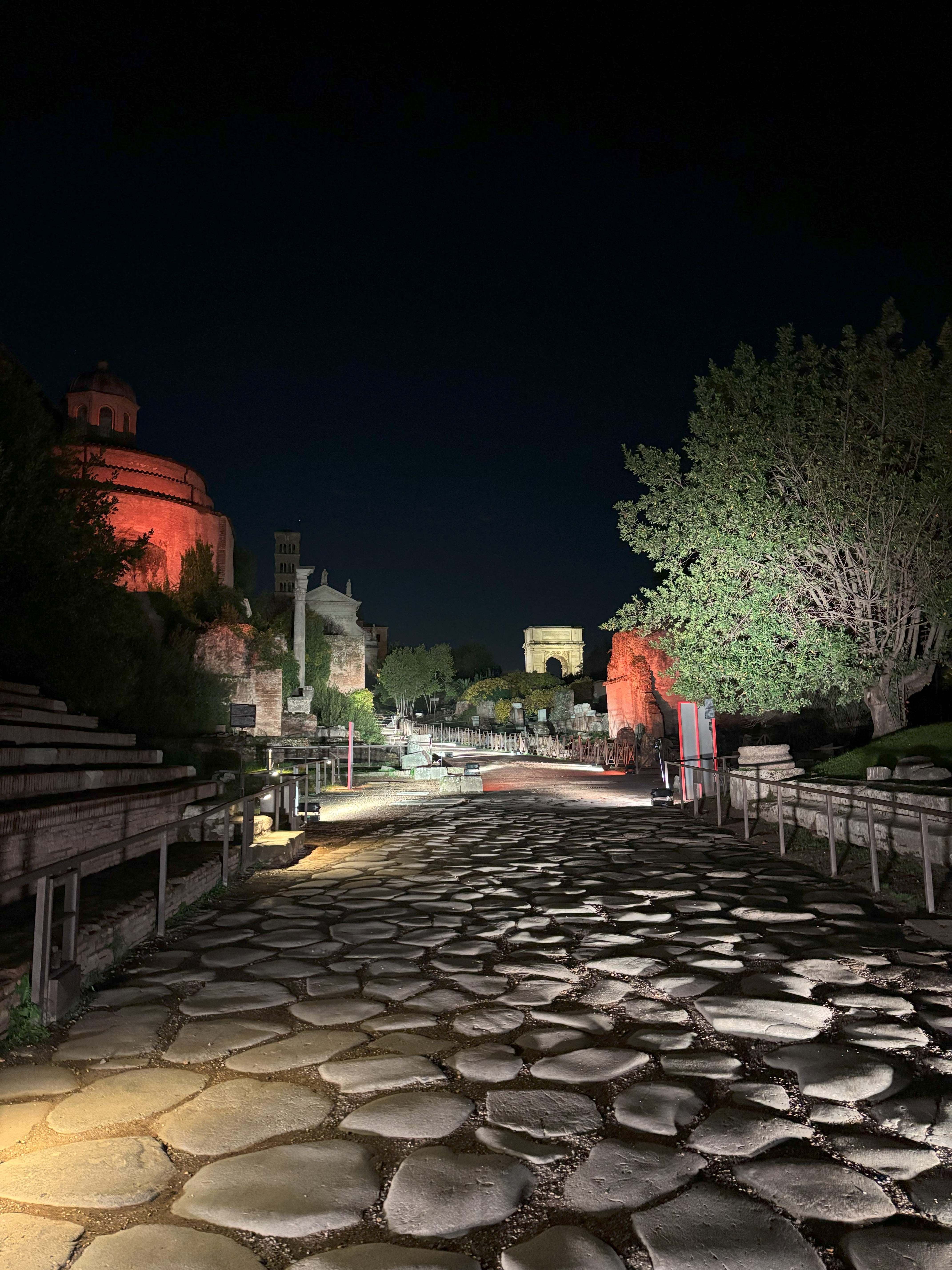
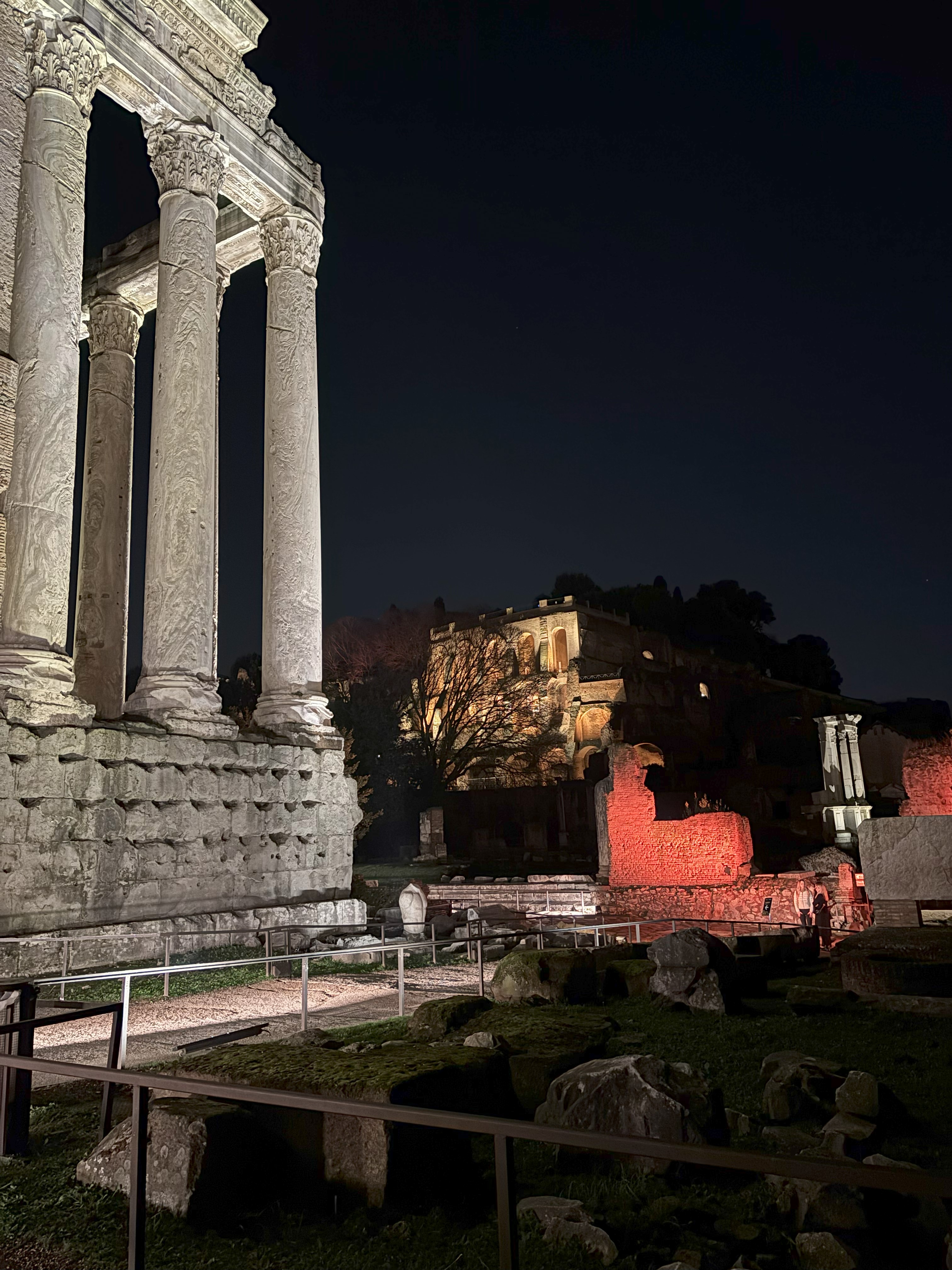
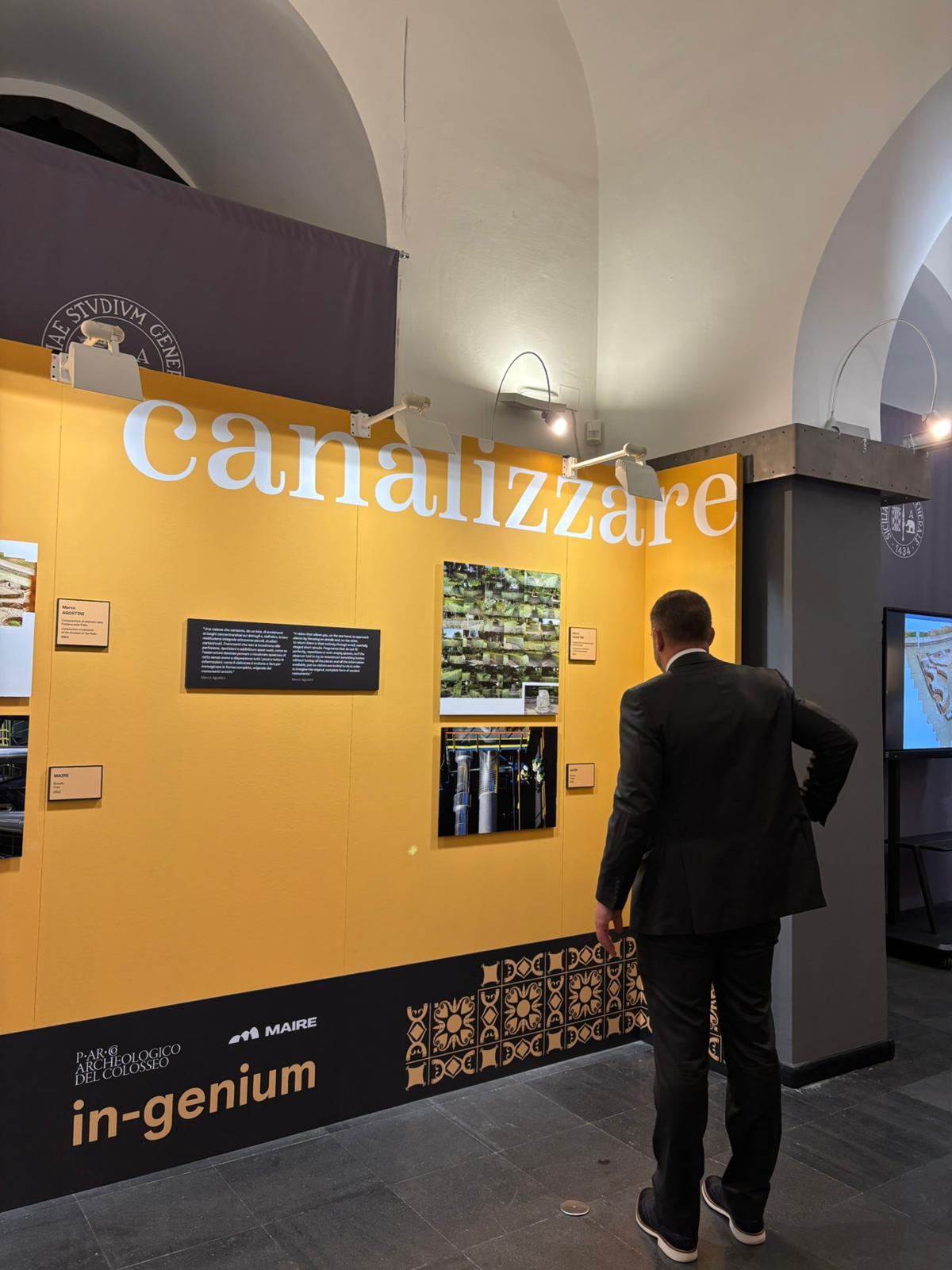
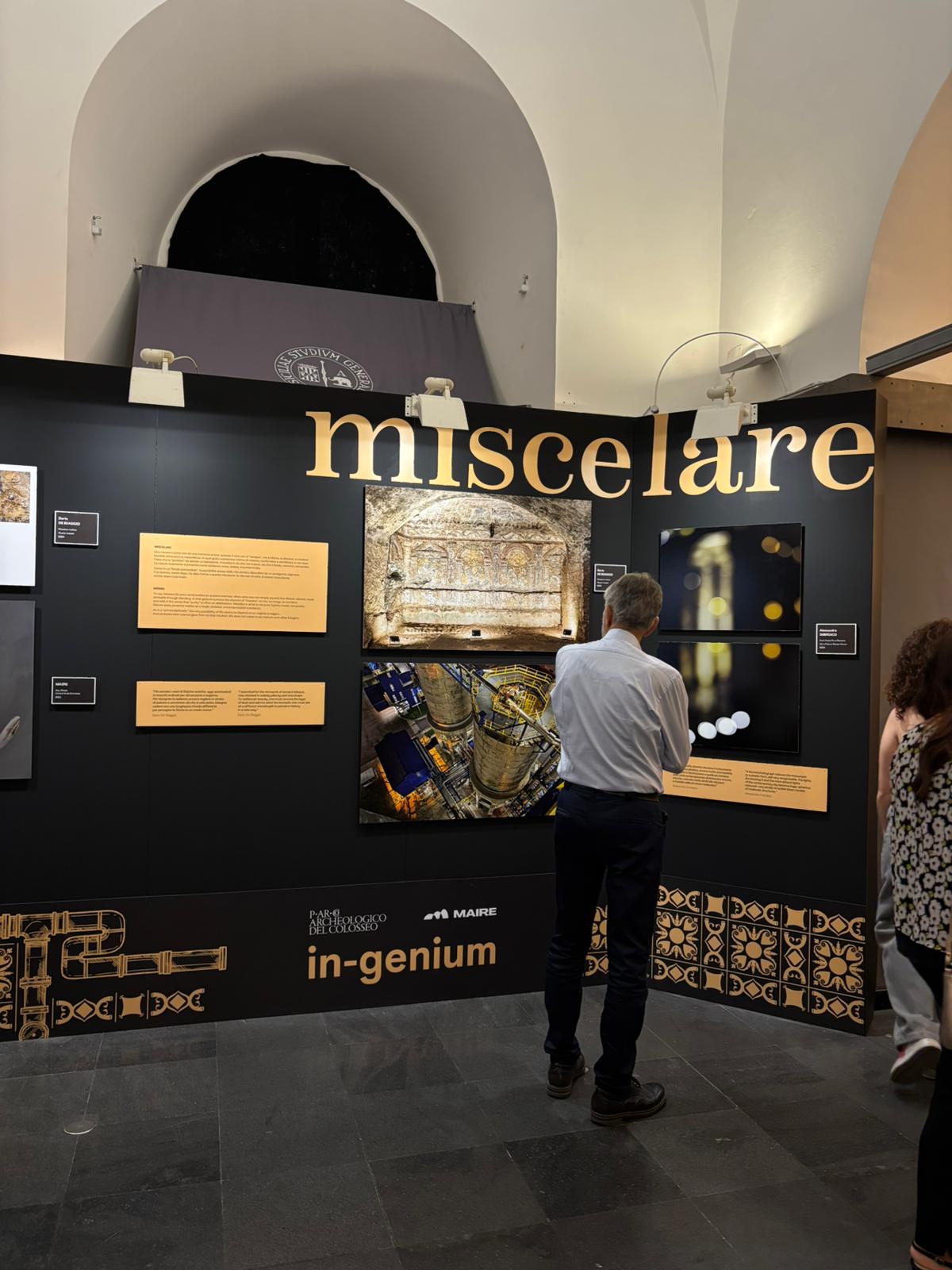
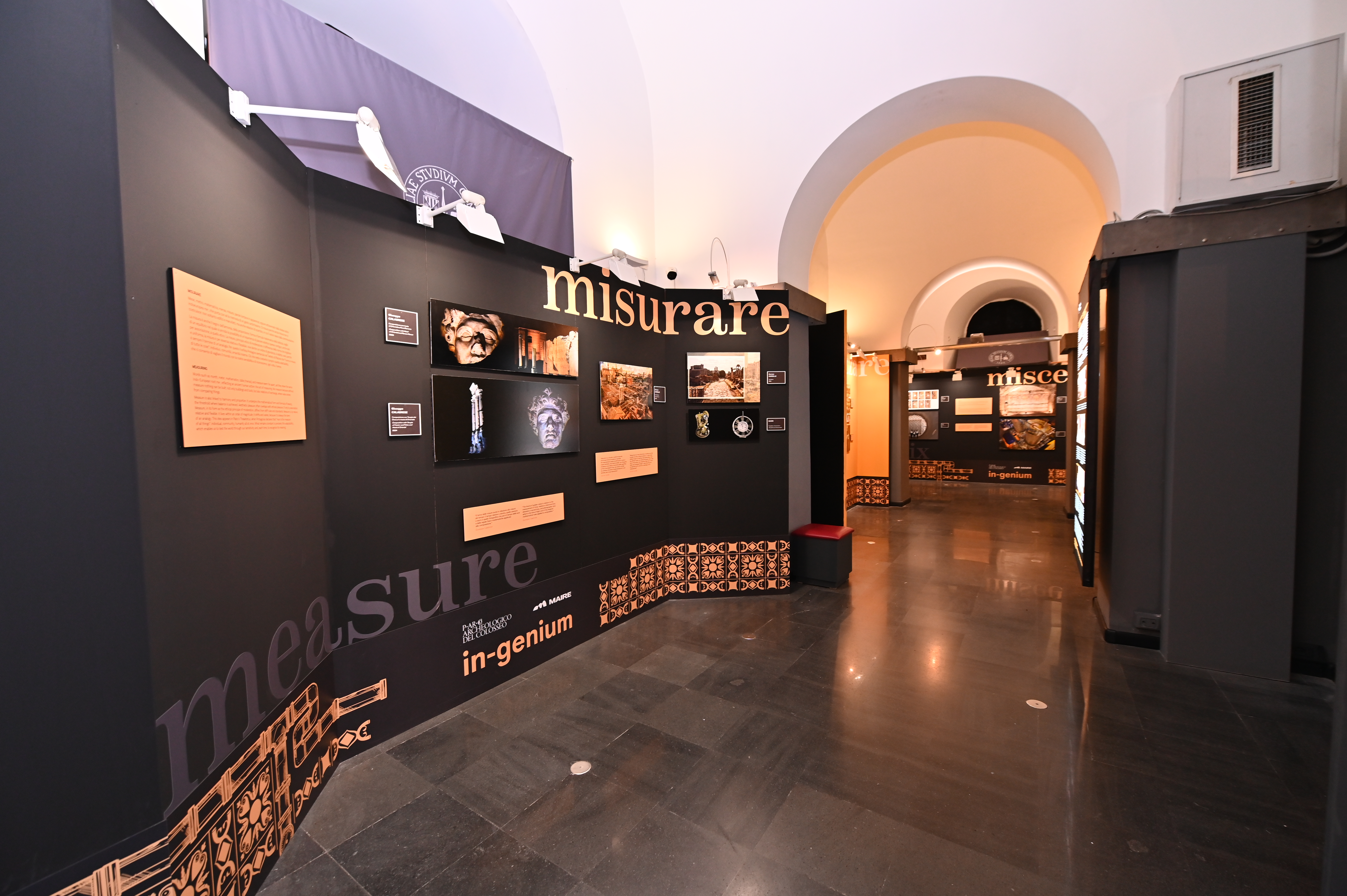
The photographic journey bridges the gap between the technology of yesterday and today and projects the challenges of engineering into the future of sustainability. It is a visual narrative in which iconic sites of ancient technology engage in a dialogue with contemporary facilities and infrastructure. On one hand, archaeological images—photographs of ancient Roman engineering captured at the Colosseum Archaeological Park in Rome; on the other, industrial images of large-scale facilities built by the MAIRE Group around the world. The two worlds confront, reflect, and complement one another, demonstrating how technical knowledge spans the centuries, evolving alongside human needs.
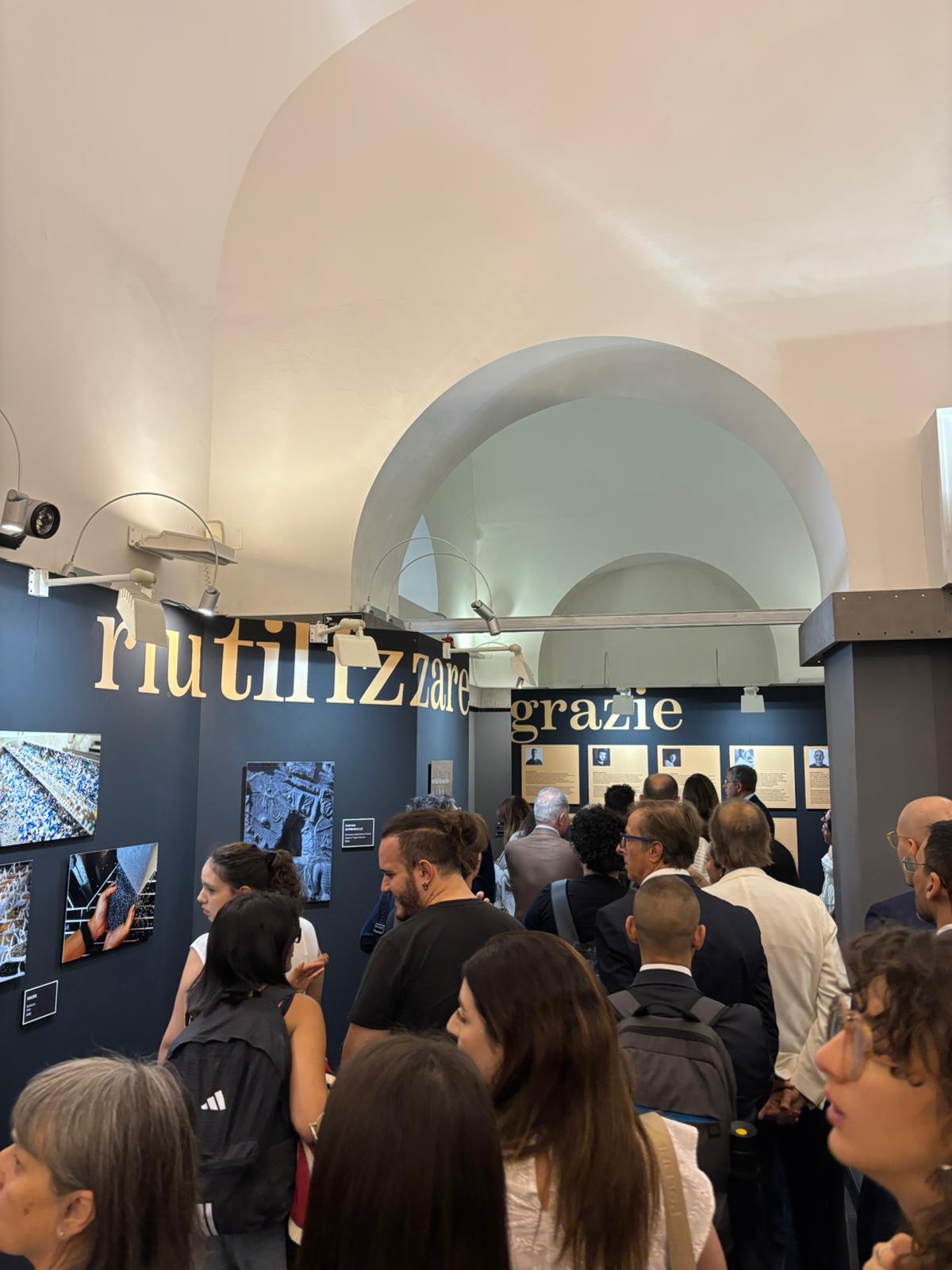
At the heart of the project are six key words—design, measure, channel, mix, lift, reuse—which serve as six lenses through which to view the relationship between the past and the present. These six expressions of human ingenuity illustrate the continuity between the great achievements of antiquity and the technological challenges of the energy transition.
From photography to voice: the “Futuro Anteriore” Podcast
The “In-genium” story continues in audio format with “Futuro Anteriore”, the podcast produced by Chora Media and narrated by Jacopo Veneziani. Through words, sounds, and evocative imagery, the podcast takes listeners on a journey through archaeology, art, technology, and sustainability, exploring the contemporary meaning of human ingenuity and its transformations over time.
Listen to the podcast (in Italian): Ingenium - Le architetture del tempo.
To discover all the stages of the project, explore the boxes below by clicking the + icons!
COLOSSEUM ARCHAEOLOGICAL PARK IN ROME
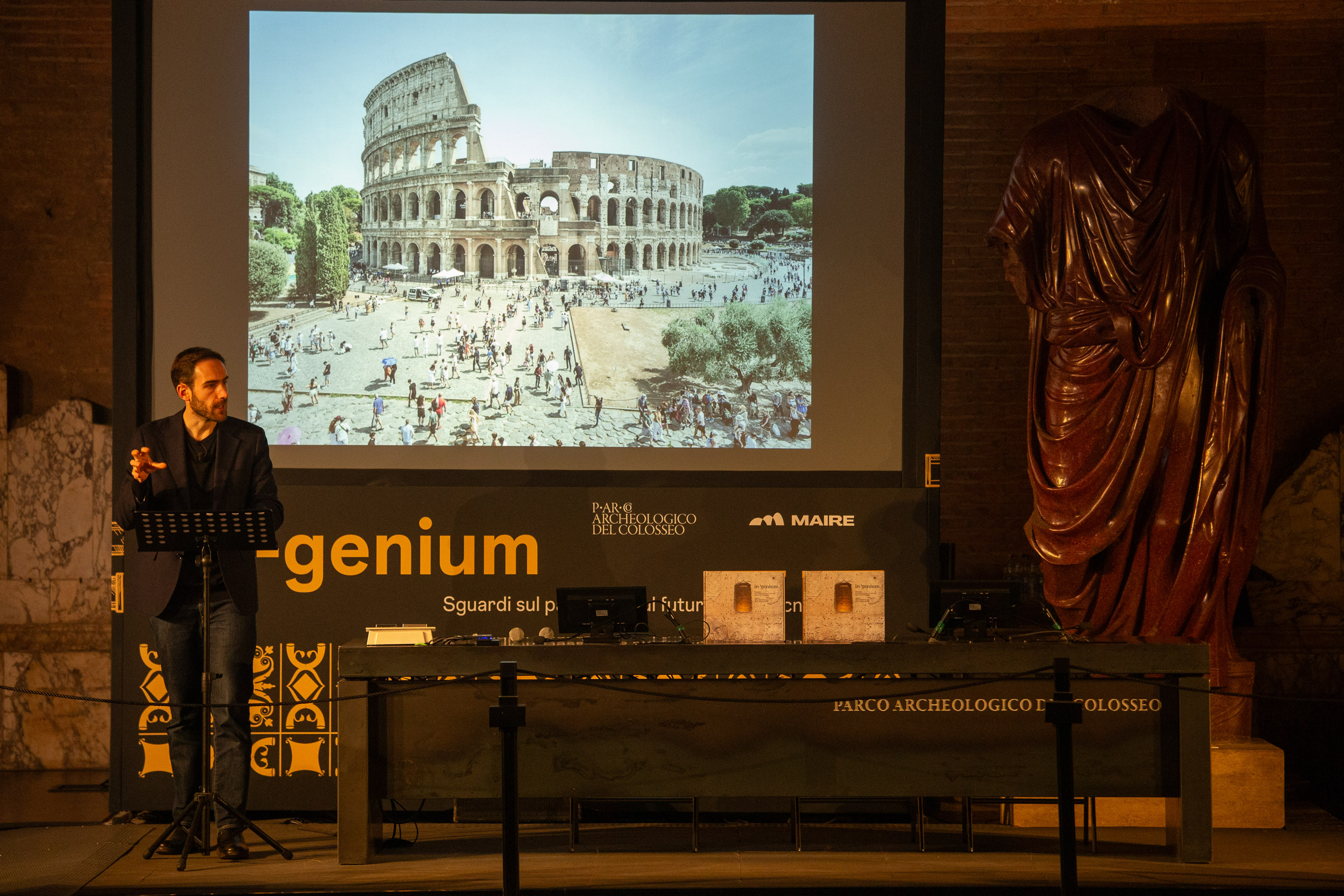
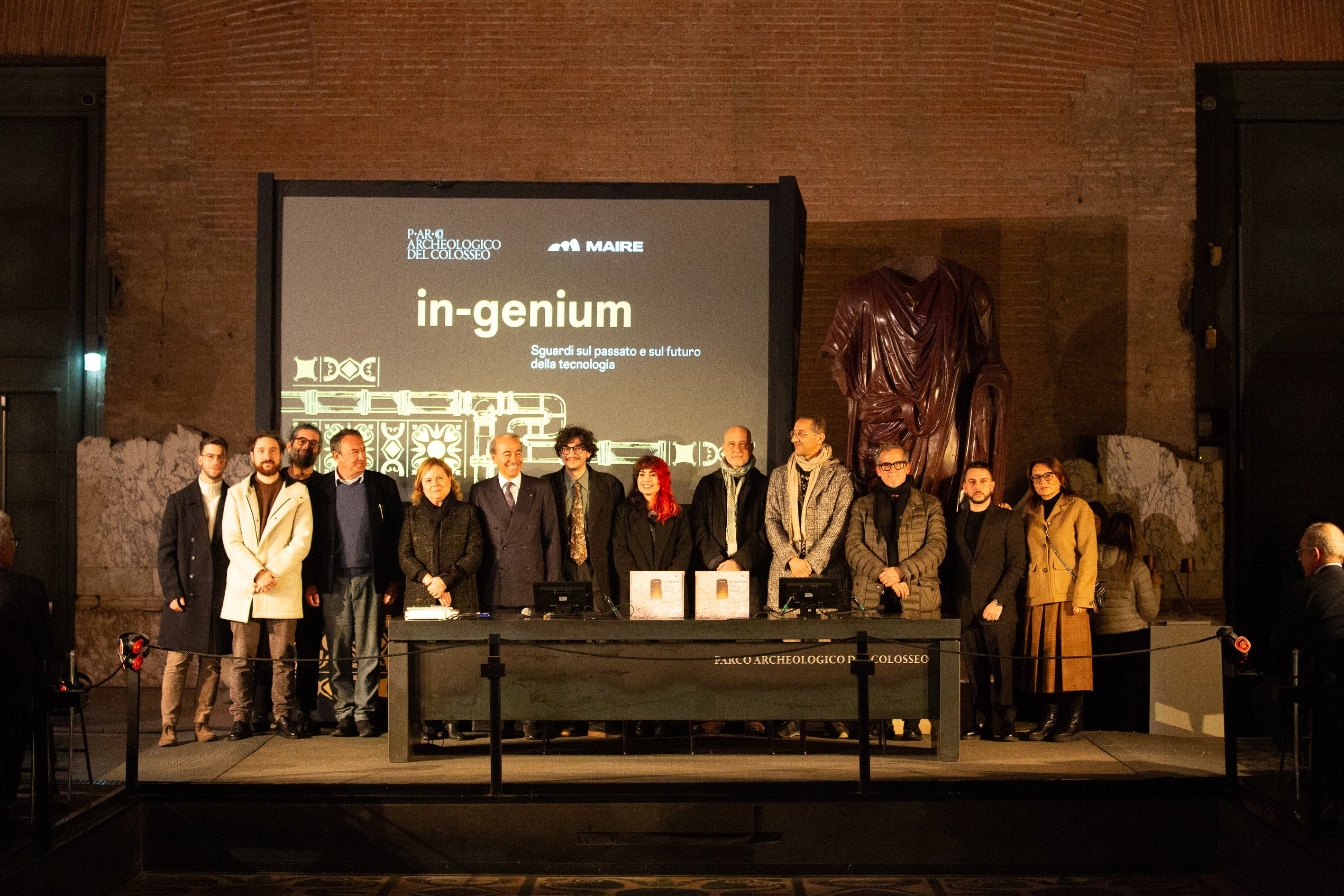
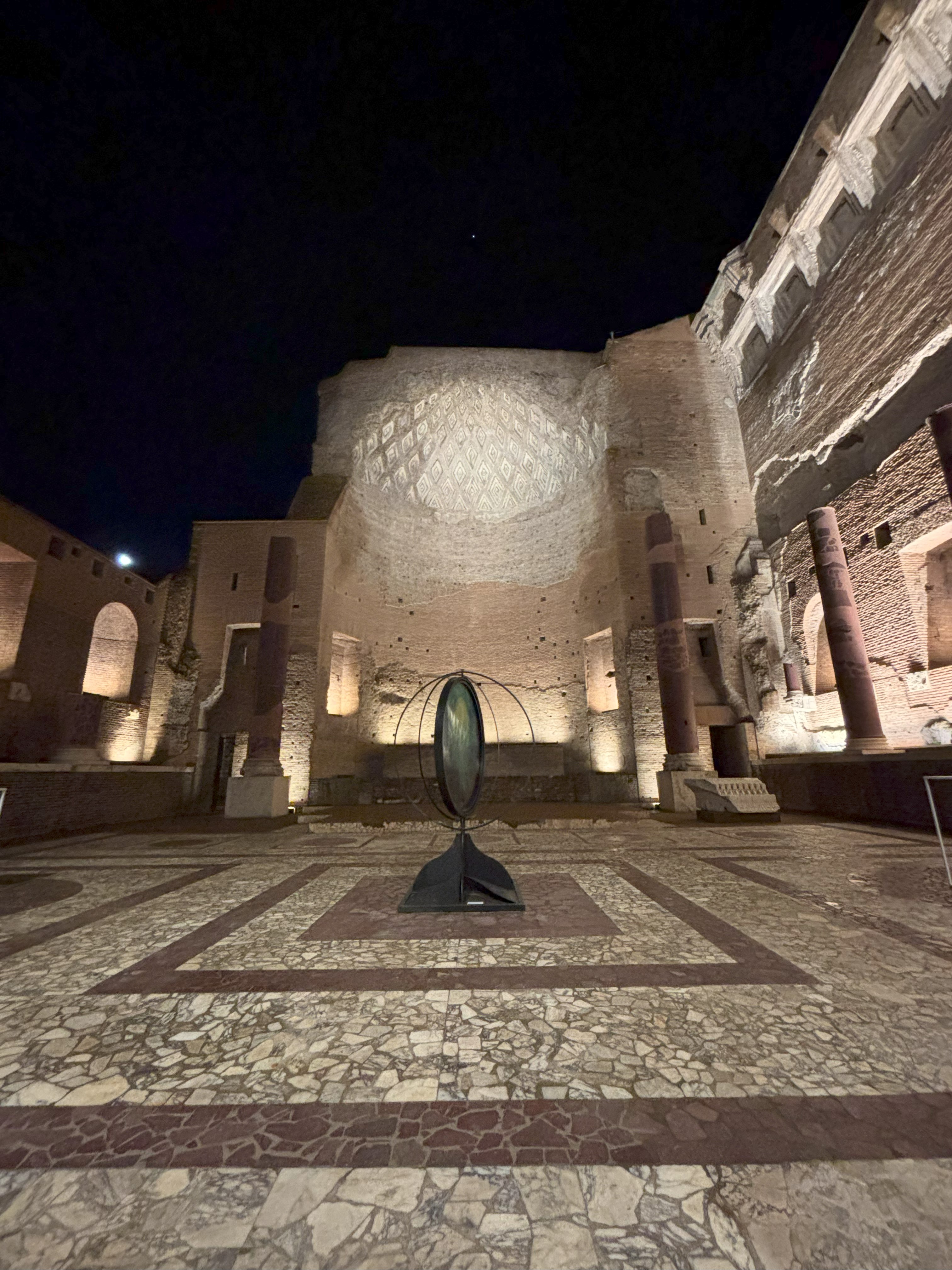
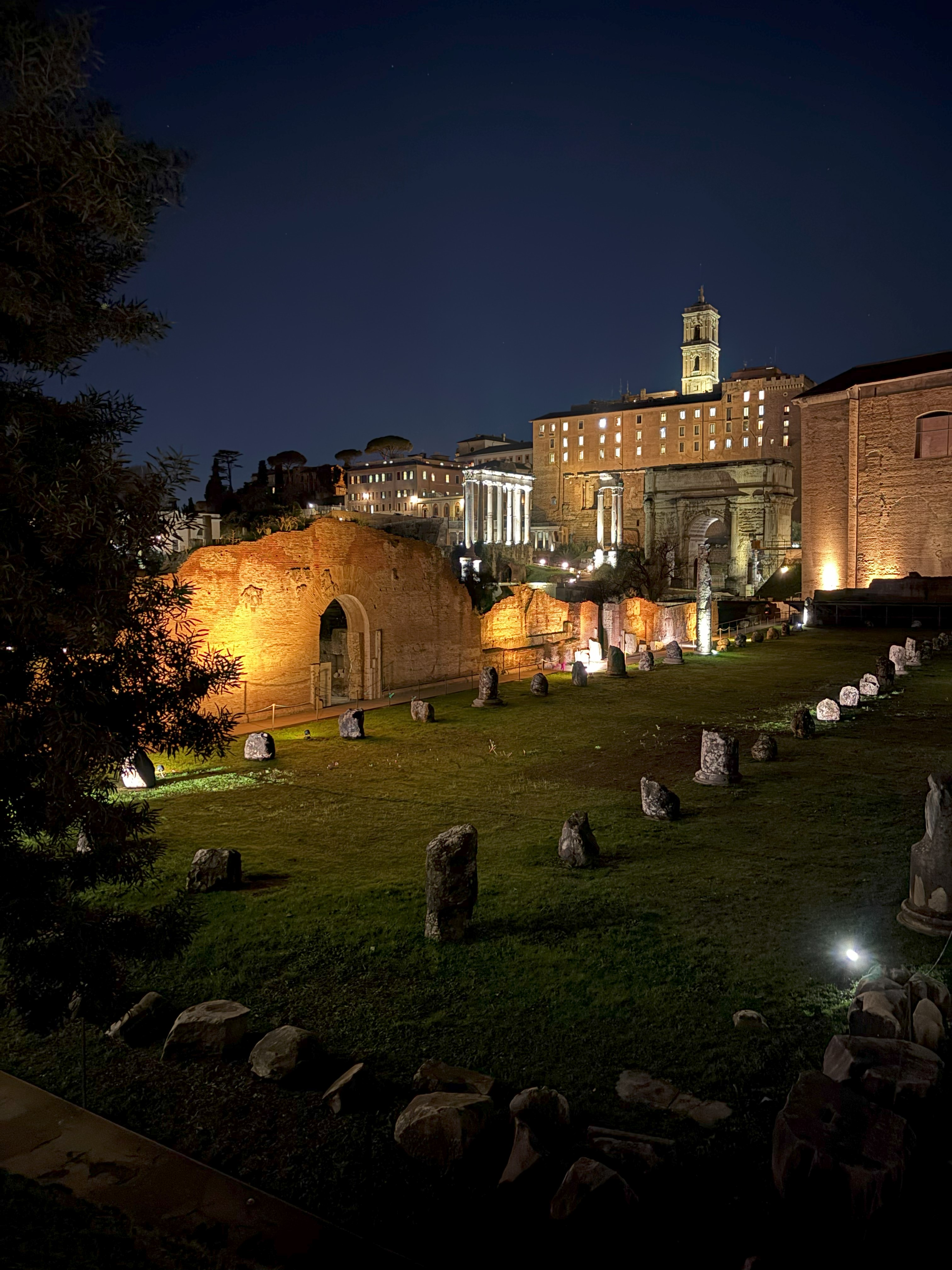
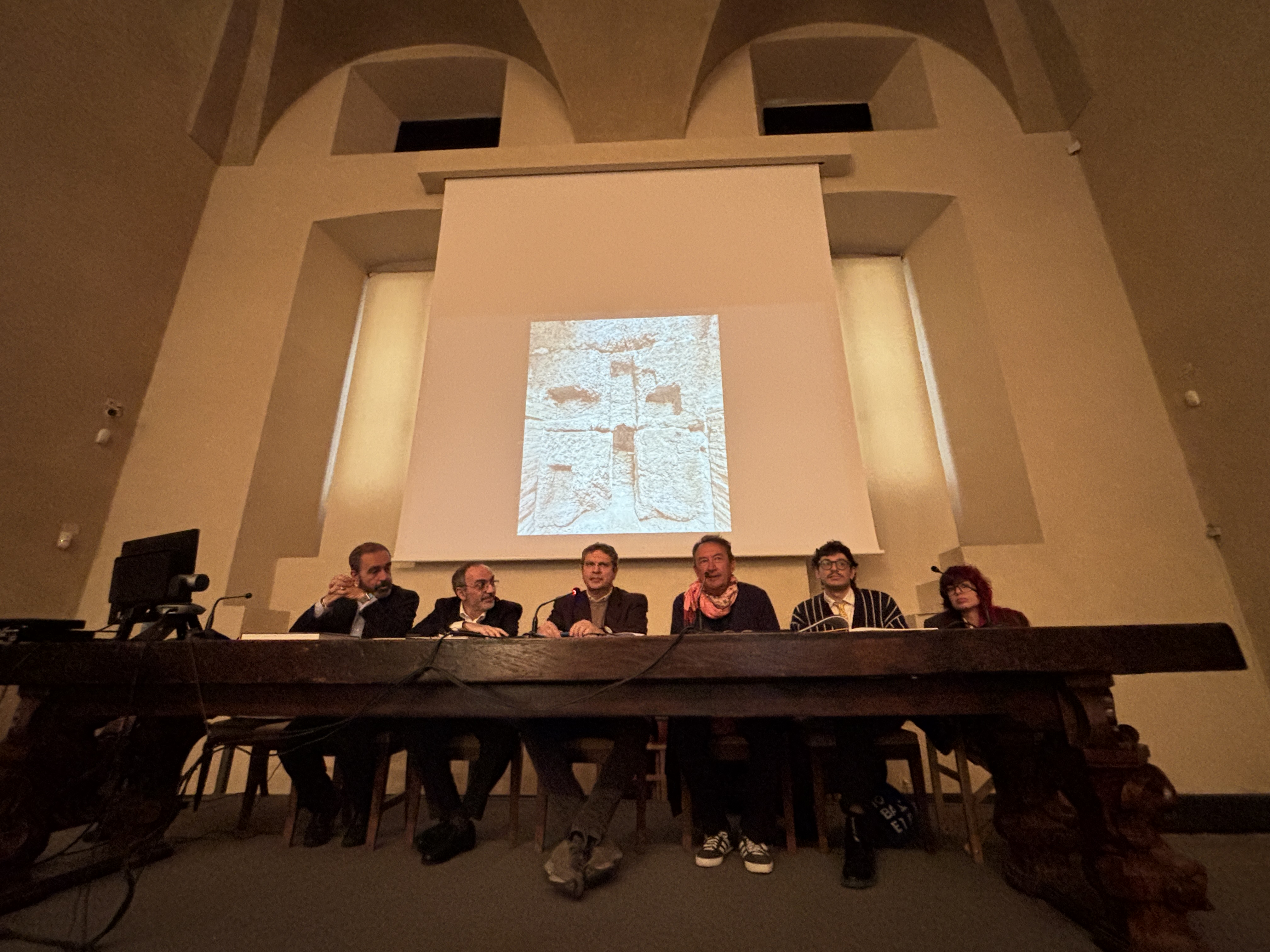
On December 17, 2024, the Curia Iulia at the Colosseum Archaeological Park in Rome hosted the presentation of the book “In-genium: Gazes into technology past and future”, published by Silvana Editoriale.
In this iconic setting symbolizing the ingenuity of ancient Rome, a dialogue emerges between archaeology, photography, philosophy, and innovation, involving students and faculty from the Academies of Fine Arts in Brera, Catania, and Rome. This collective narrative explores the relationship between the technical knowledge of the ancients and the challenges of contemporary engineering, demonstrating how the past can continue to inspire solutions for a more sustainable future.
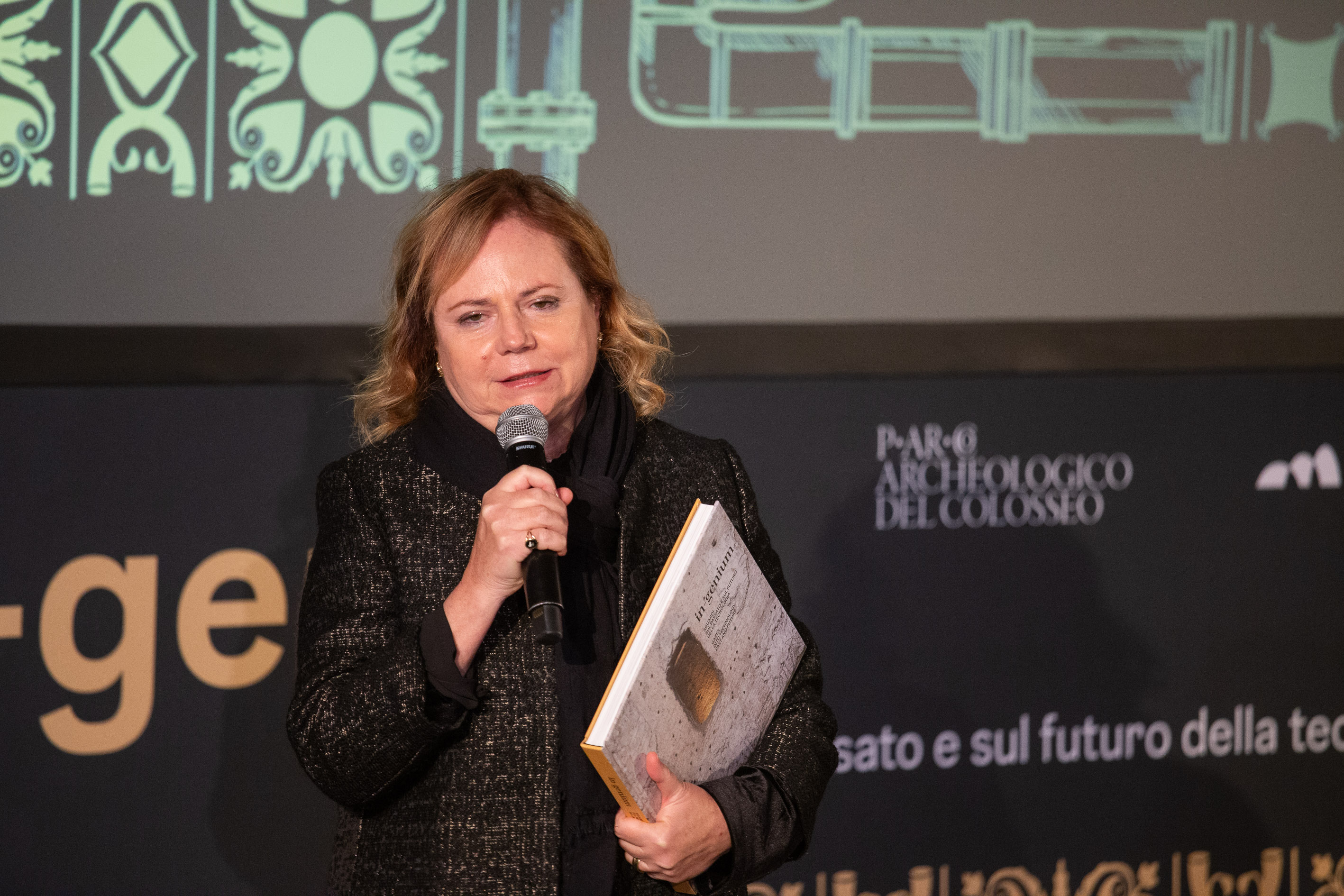
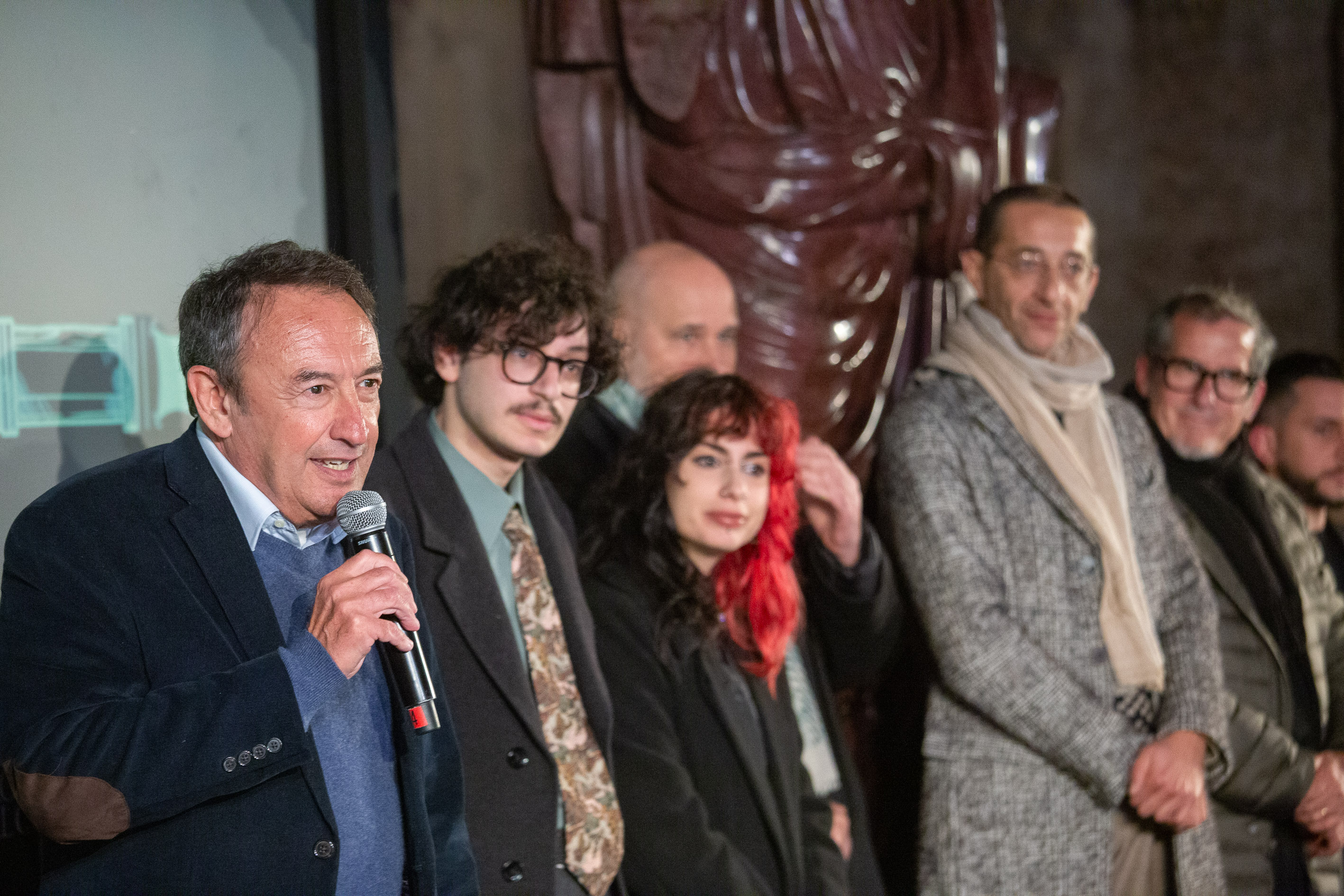
The event featured students and faculty from the Italian Academies of Fine Arts in Brera, Catania, and Rome, led by Carmelo Nicosia and Nunzio Giustozzi; the podcast “Futuro anteriore” was streamed live, curated by Iulia. The event concluded with remarks by Alfonsina Russo, Director of the Colosseum Archaeological Park, and Fabrizio Di Amato, Chairman and Founder of MAIRE and the Fondazione MAIRE – ETS.
To find out all the details about the event, click here and read the dedicated news article!
BOOK CITY MILAN 2025 AND THE GARIBALDI TOWERS EXHIBITION
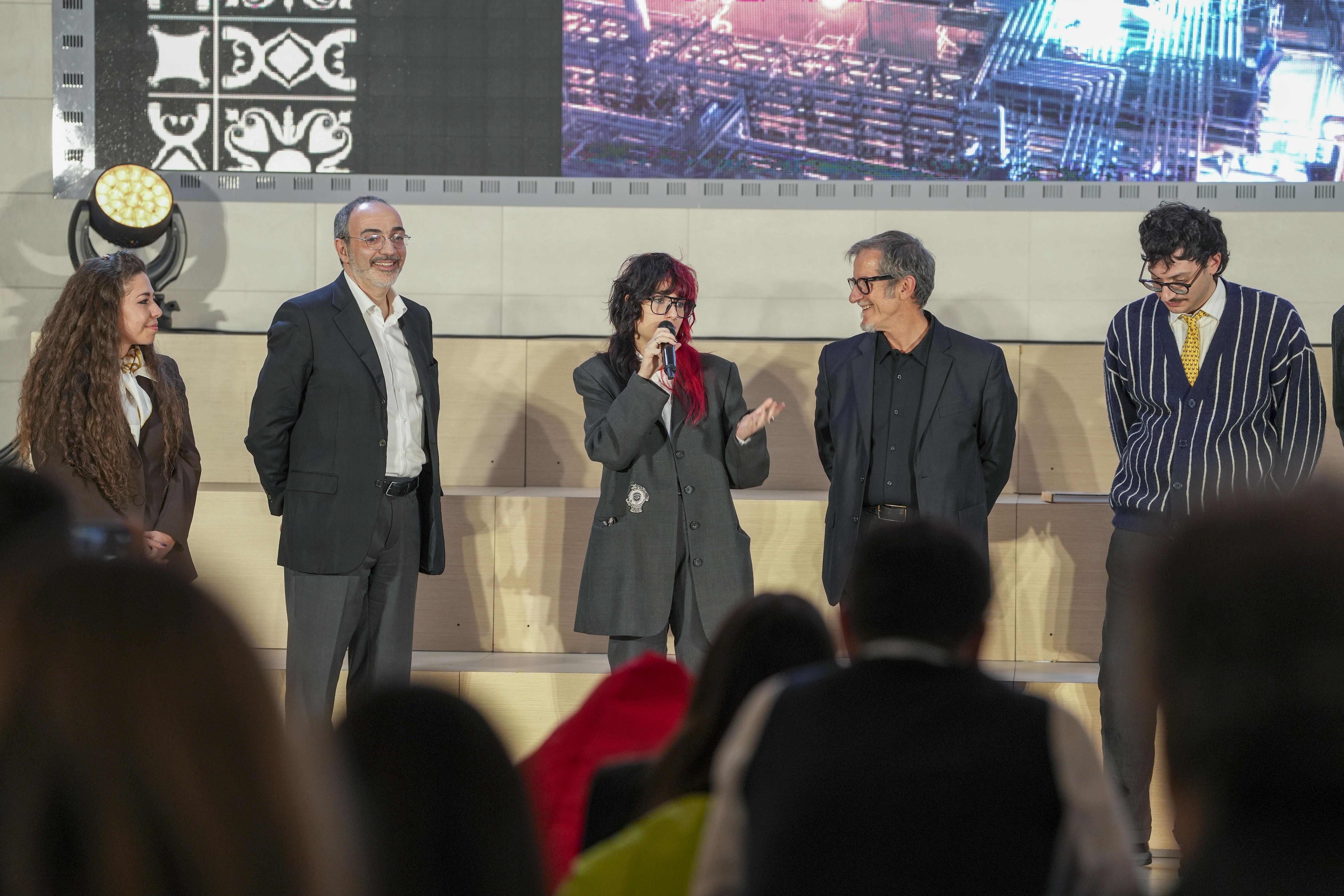
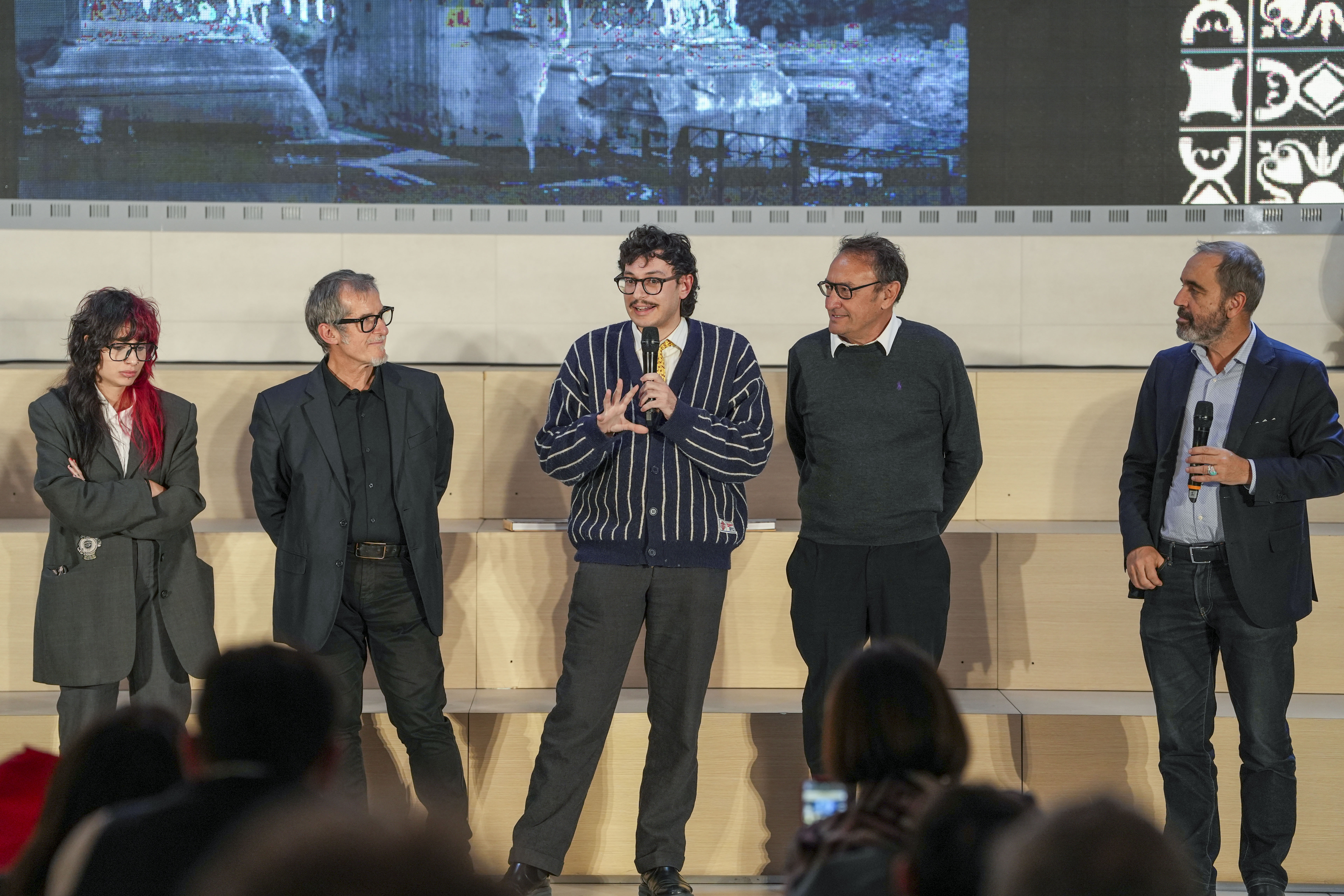
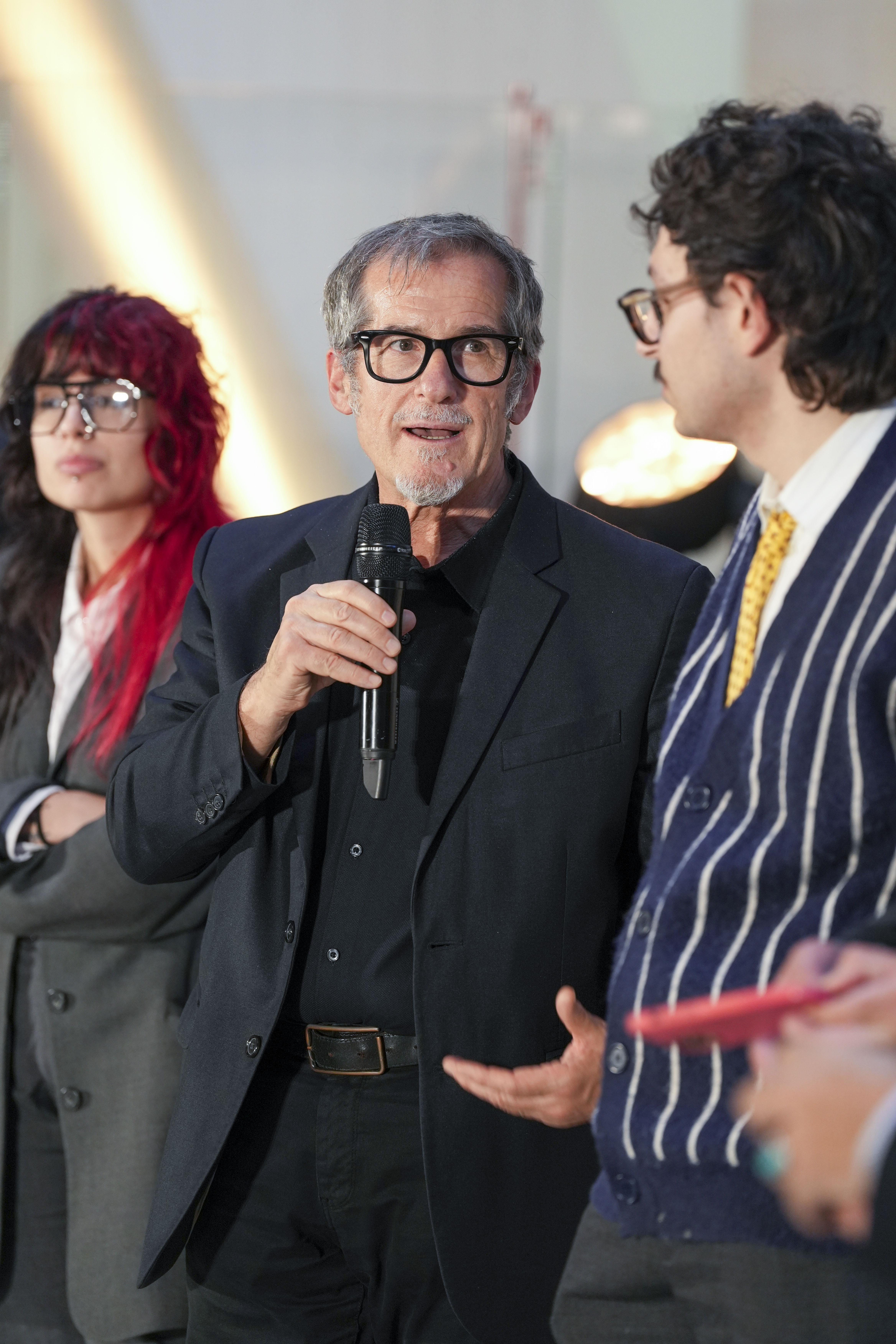
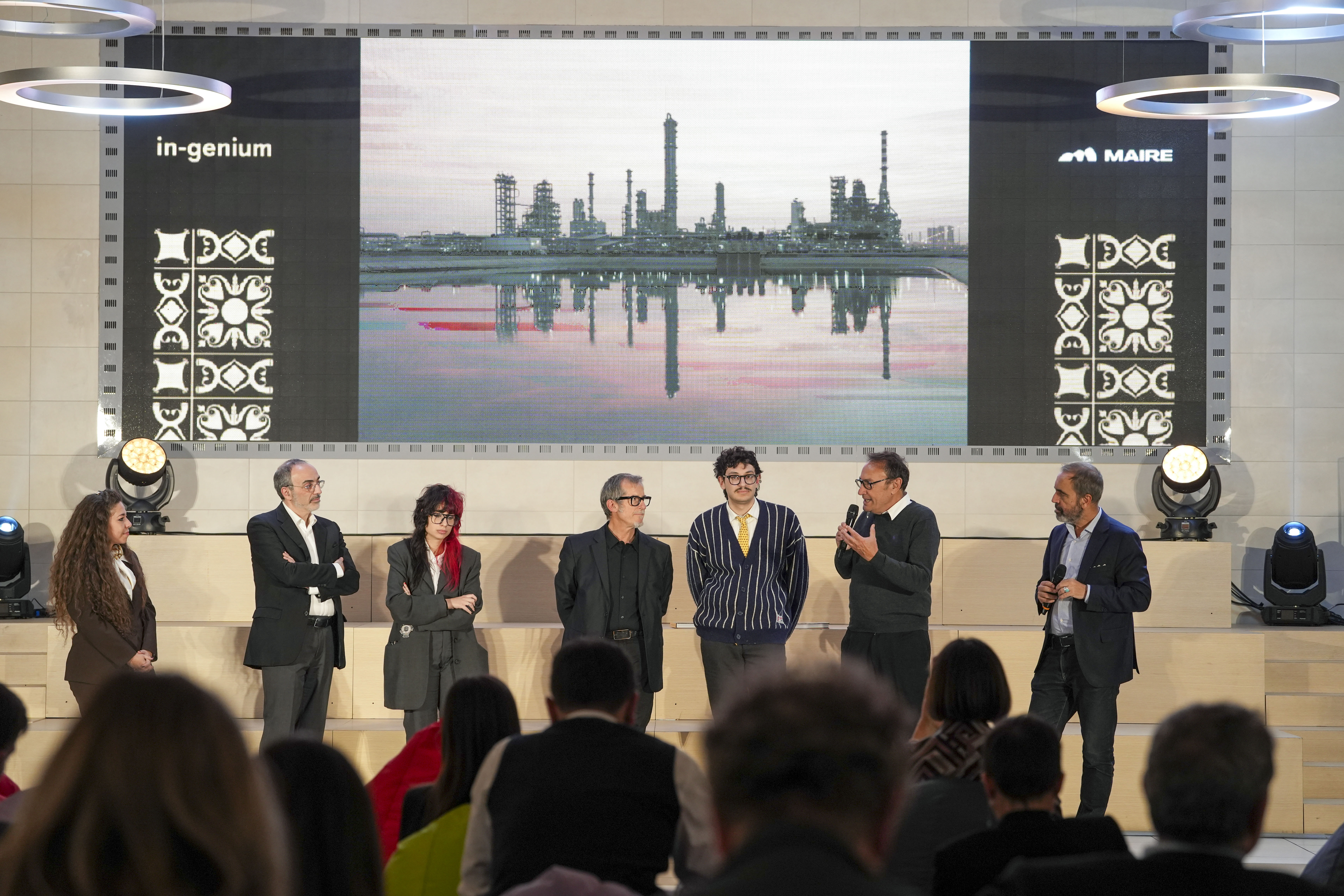
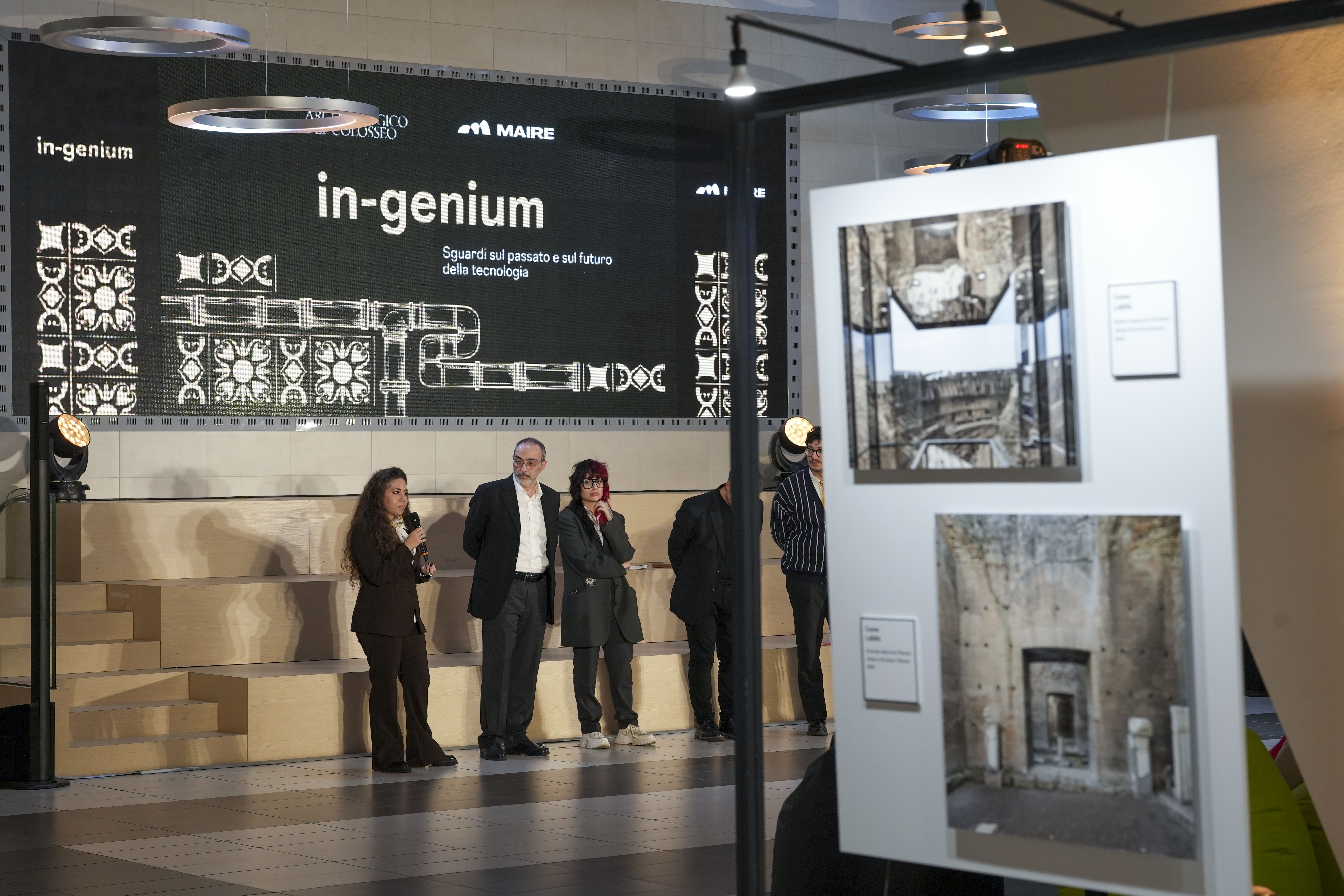
On November 13, 2025, Milan hosted a two-part event featuring our photography book “In-genium: Gazes into technology past and future” as part of the XXIV Corporate Culture Week organized by Confindustria and Museimpresa, in which we participated alongside the MAIRE Group.
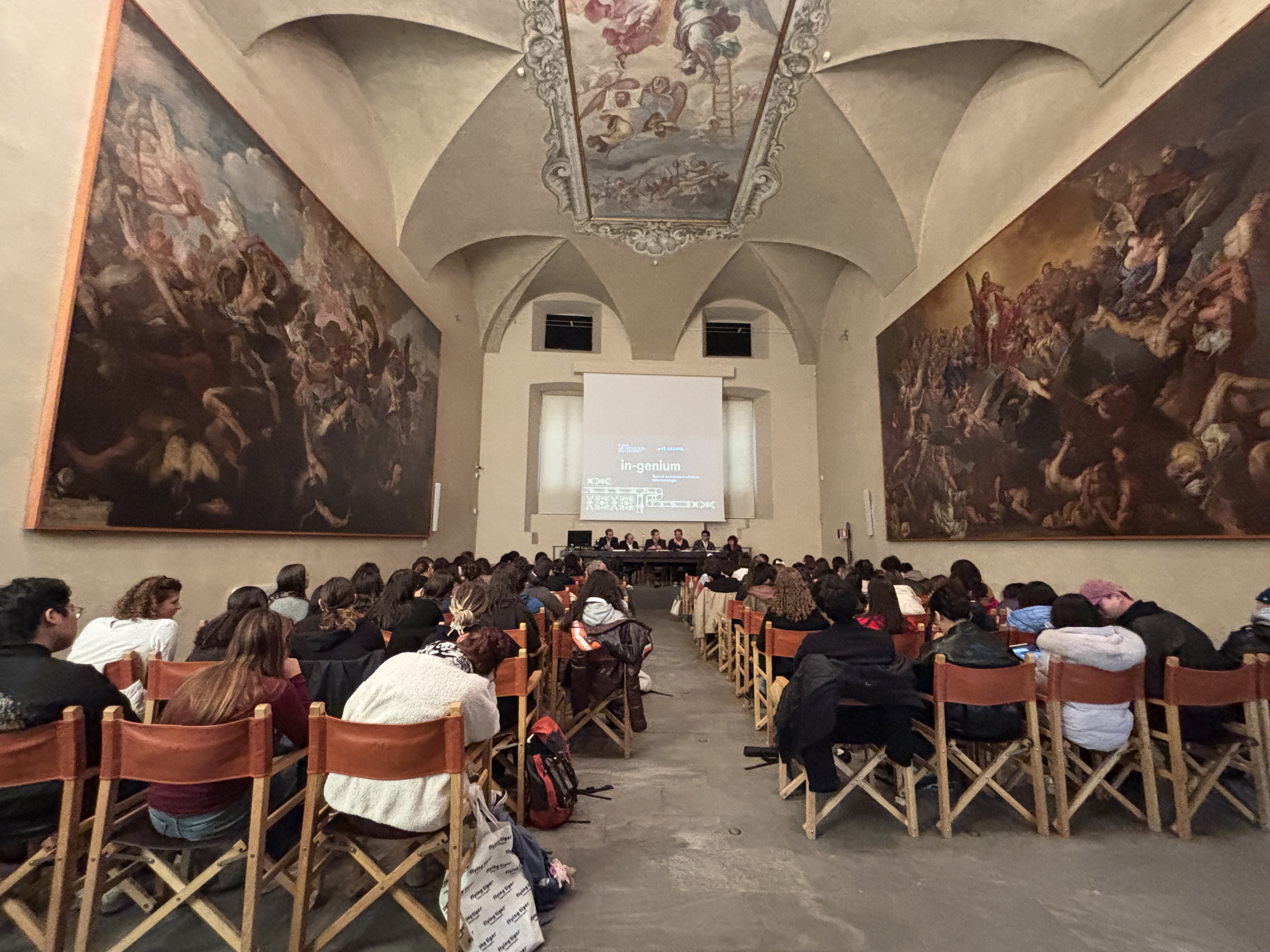
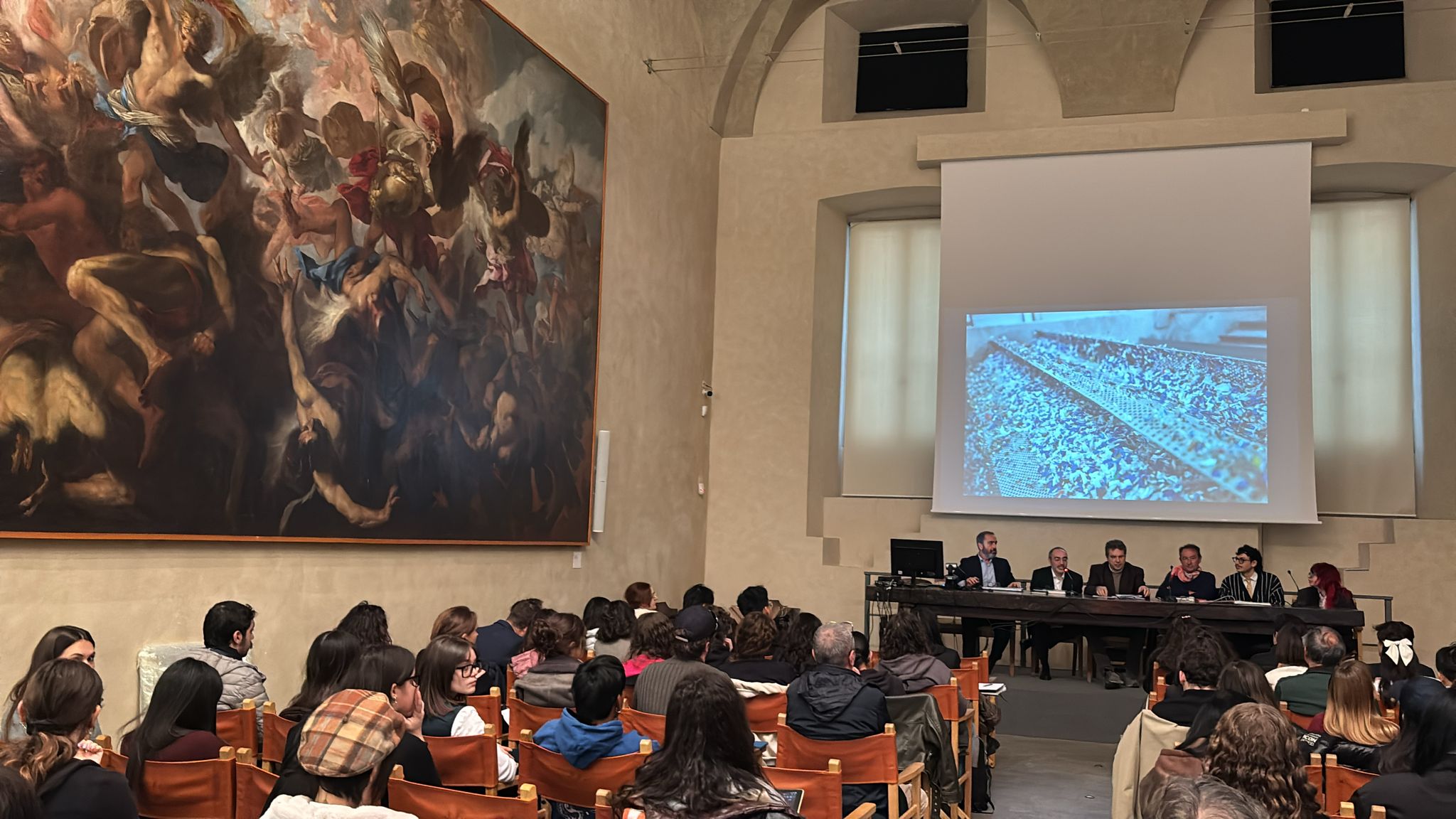
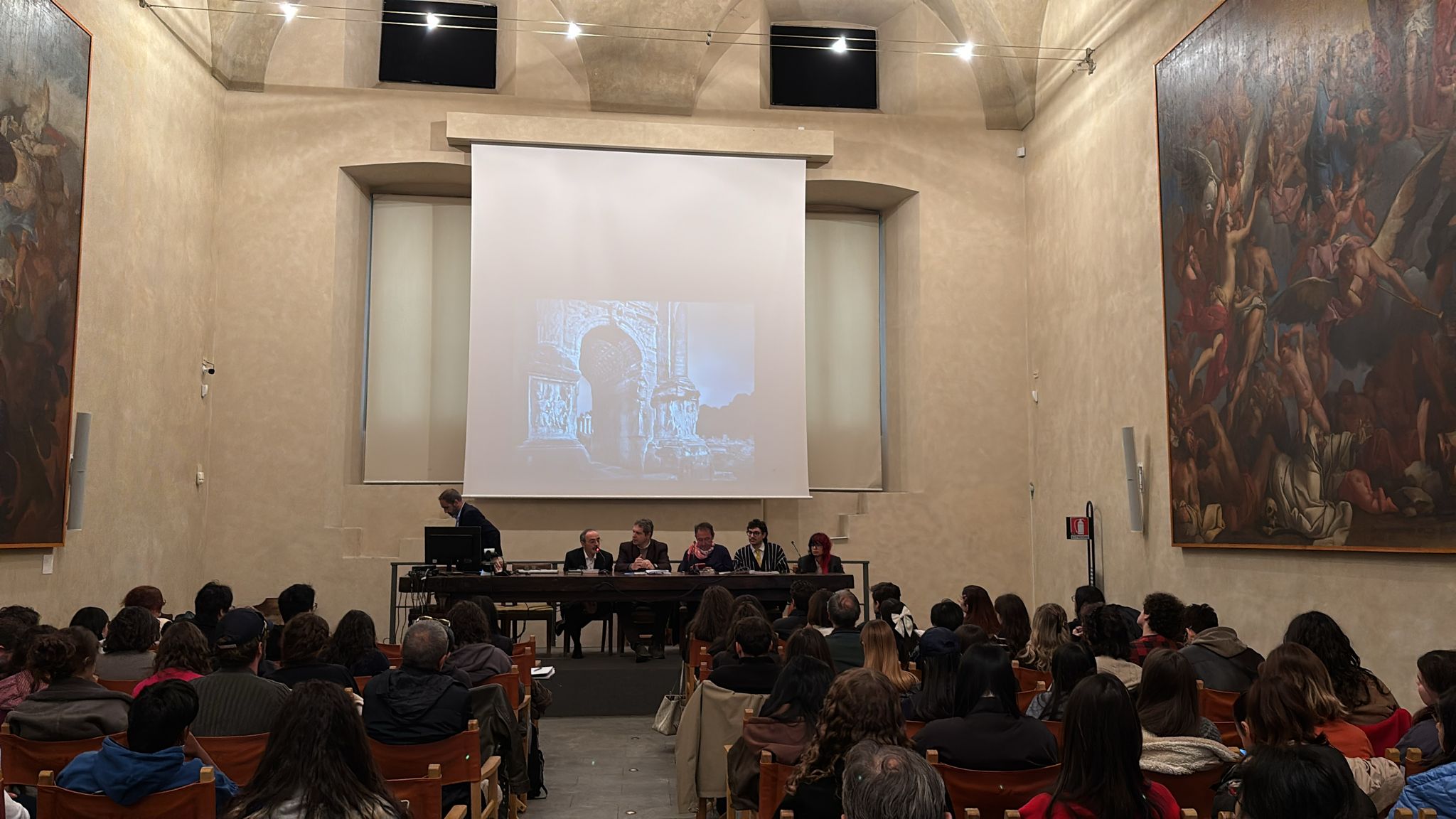
In the morning, against the evocative backdrop of the Pinacoteca di Brera—as part of Book City Milano 2025—we presented the photo book “In-Genium: Perspectives on the Past and Future of Technology” in the city that is home to one of the academies involved in the initiative and serves as the symbolic headquarters of the MAIRE Group.
A lecture hall packed with young artists and students was graced by the presence of Carmelo Nicosia, professor at the Academy of Catania and project coordinator; Cosmo Laera, professor at the Brera Academy; Giovanni Curtis, professor at the Brera Academy; photographers Noemi Comi and Gabriele Barbagallo; Carlo Nicolais, MAIRE’s Vice President of Group Institutional Relations, Communication & Sustainability, and Massimo Dapoto, MAIRE’s Group Manager of Cultural & Editorial Initiatives. On the big screen, a selection of photographs from the book was displayed, along with the presentation titled “Technology: Yesterday and Tomorrow”.
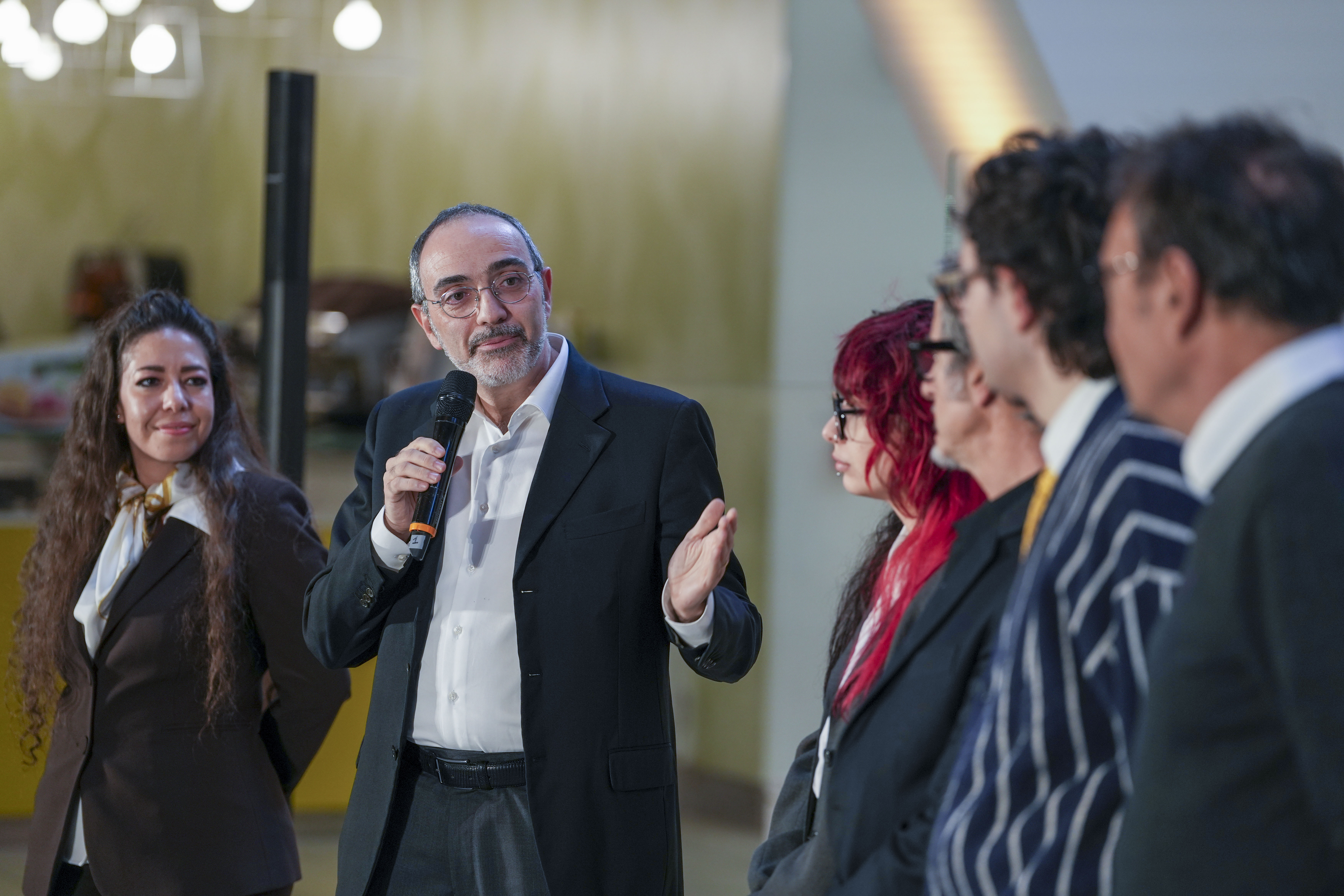
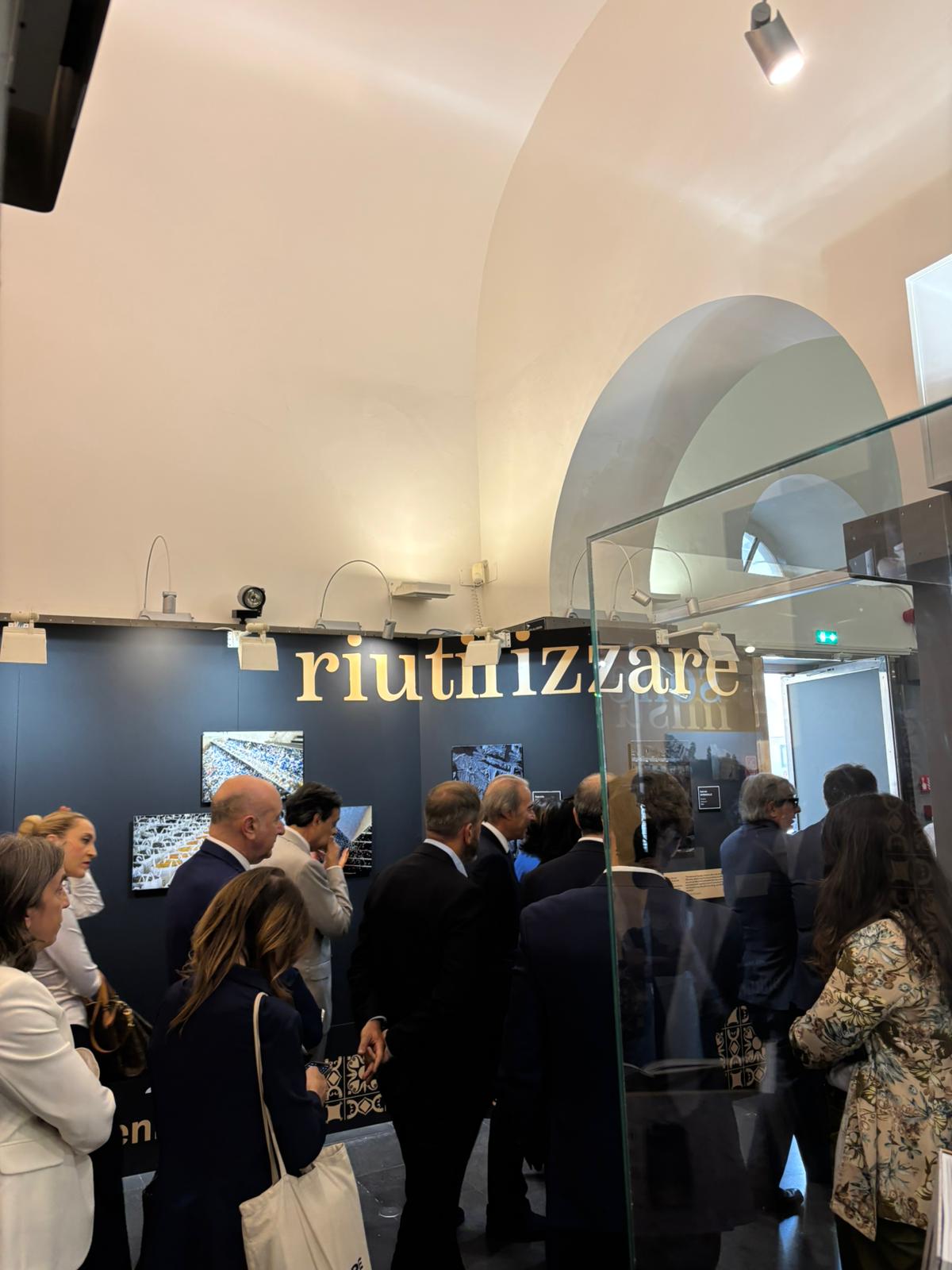
Some of the shots included in the book were featured in a photography exhibition held at the MAIRE Torri Garibaldi complex in Milan, which opened that same afternoon with a cultural welcome cocktail reception. The presentation was enriched by contributions from the leading artists.
An open and informal dialogue highlighted the power of art to forge connections, even between seemingly distant worlds, such as the worlds of industrial business and artistic talent. Art is the language we’ve chosen to discuss social responsibility, sustainability, and the energy transition—especially with younger generations.
The exhibition remained on view for two weeks and was open to the public free of charge.
To find out all the details about the event, click here and read the dedicated news article!
MUSEO DEI SAPERI IN CATANIA
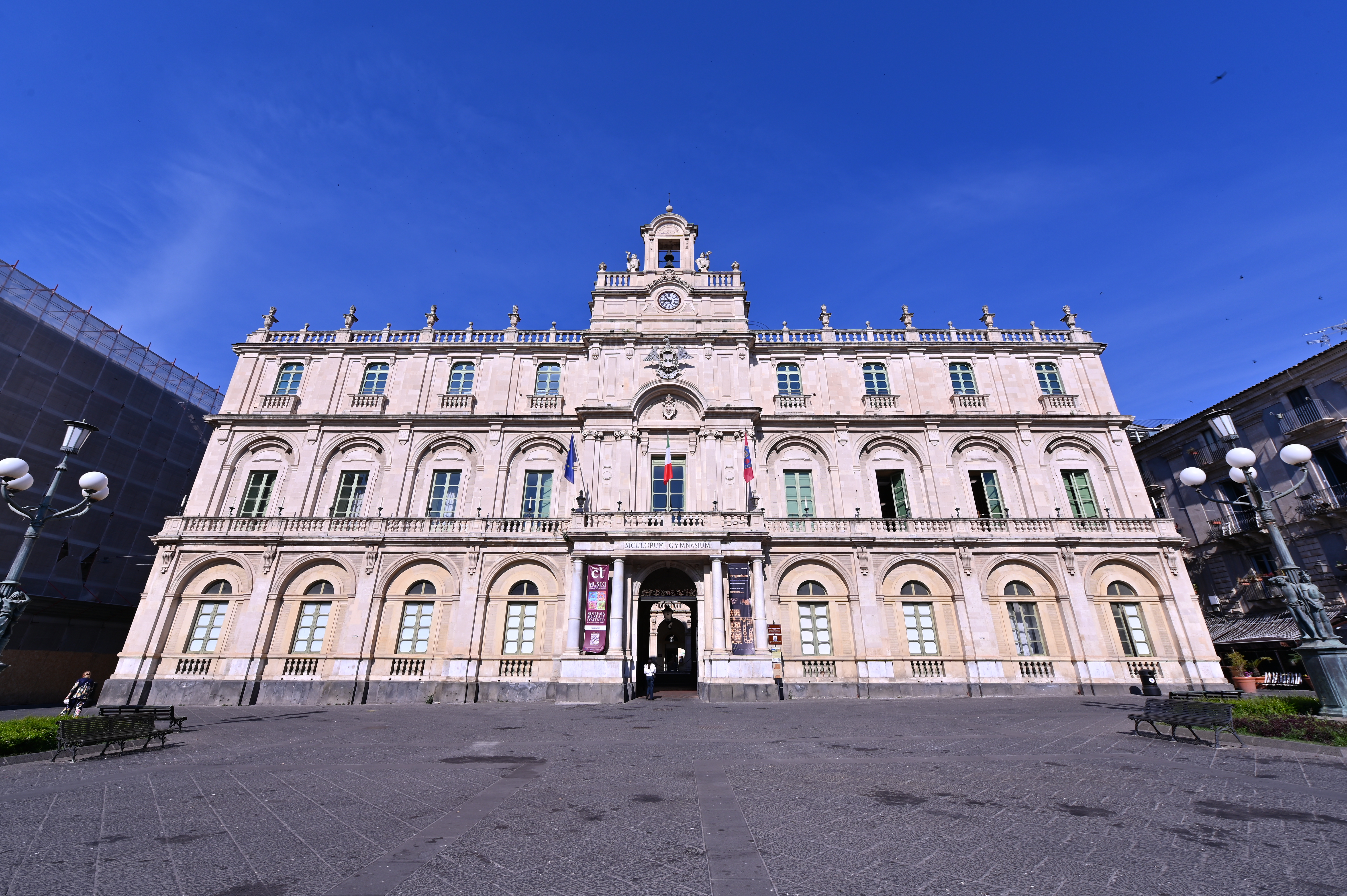
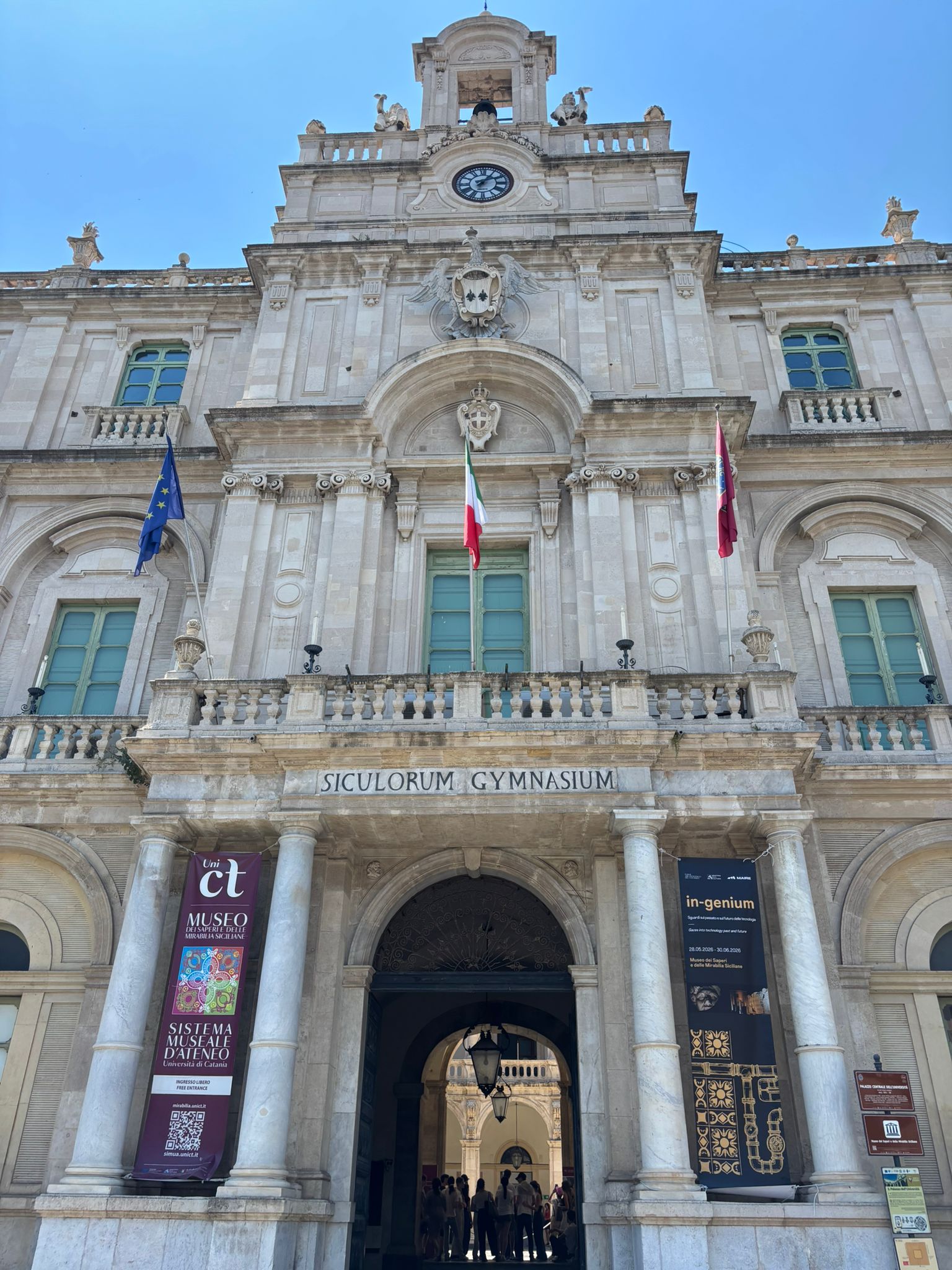
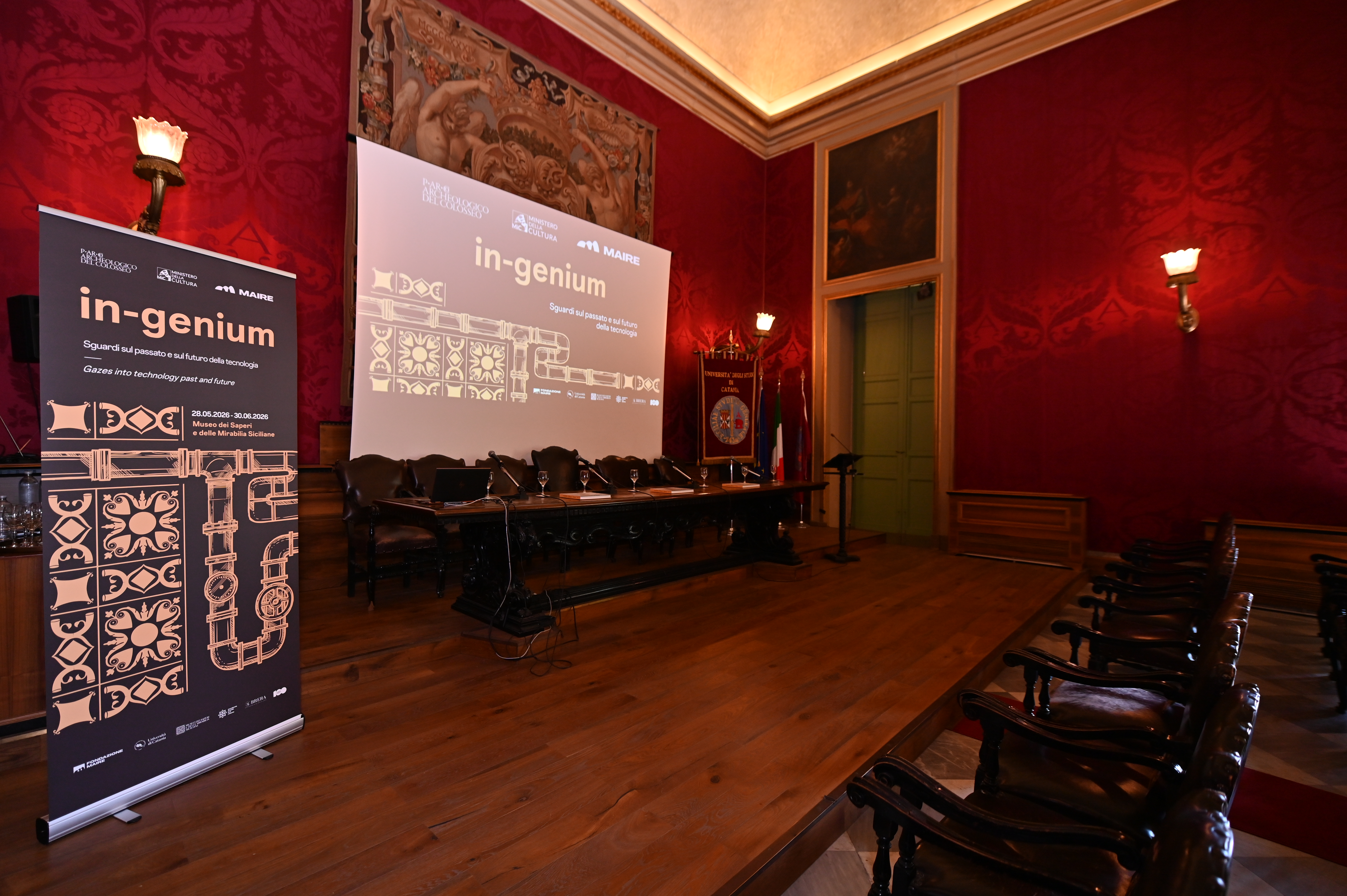
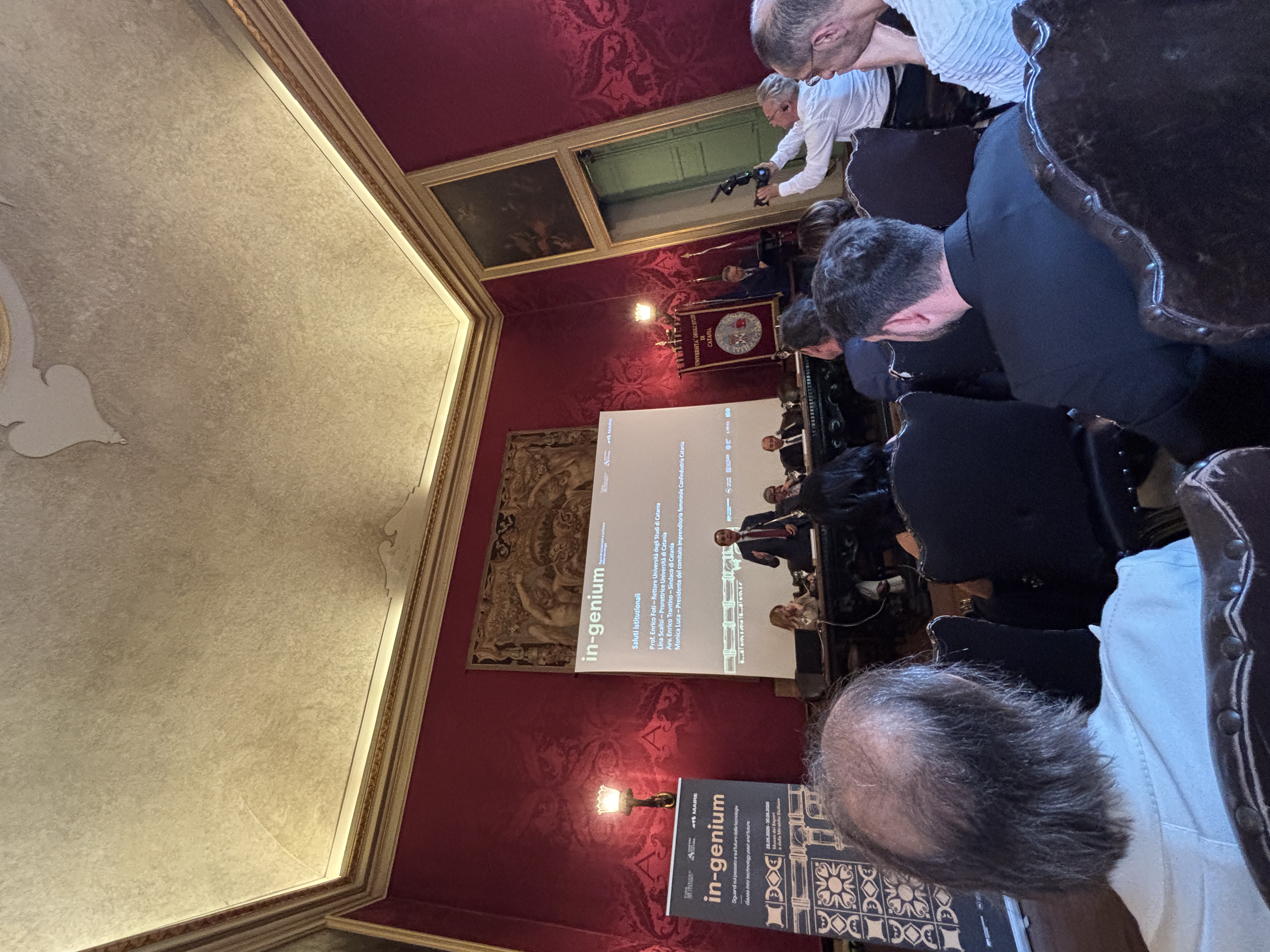
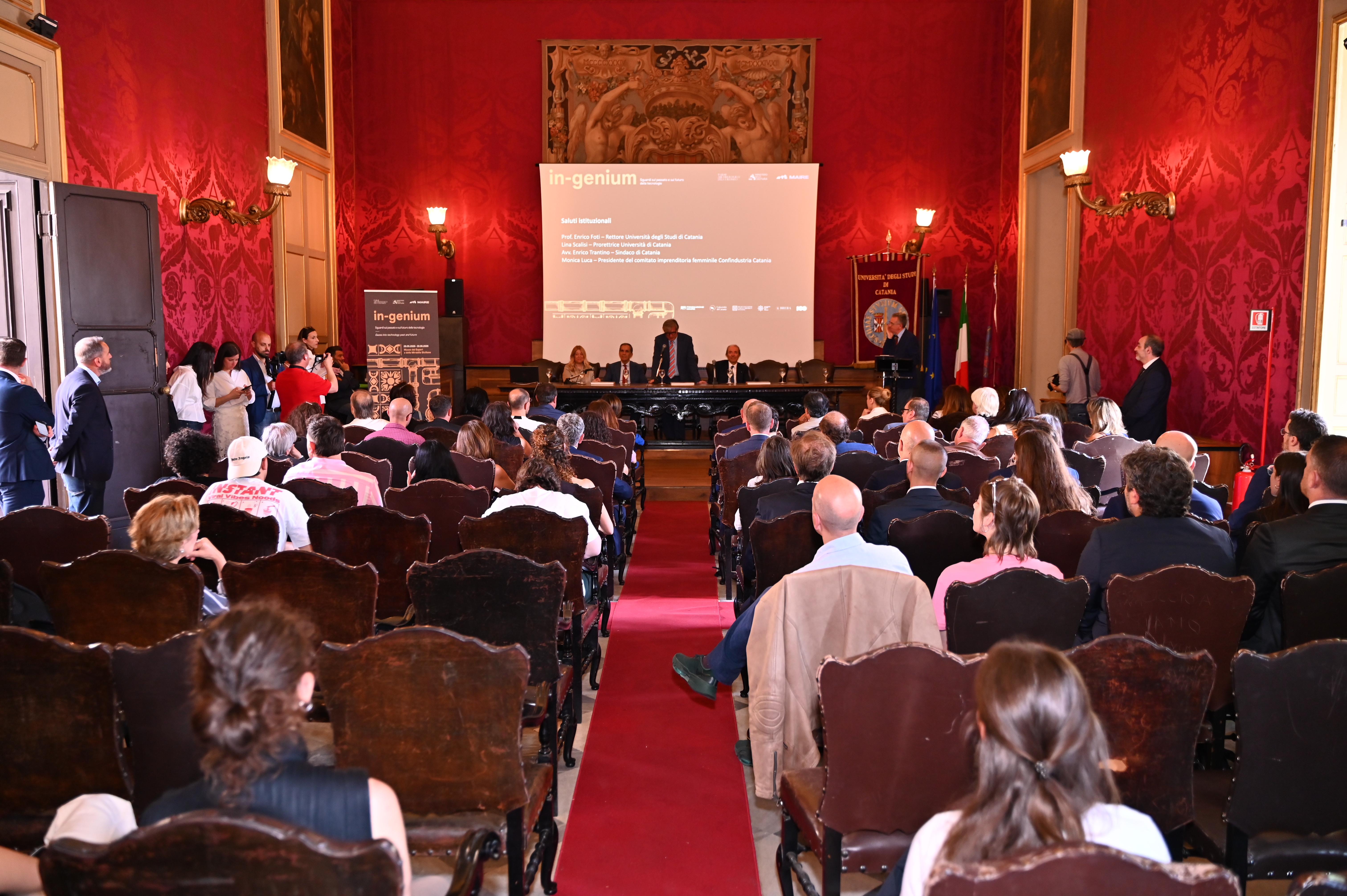
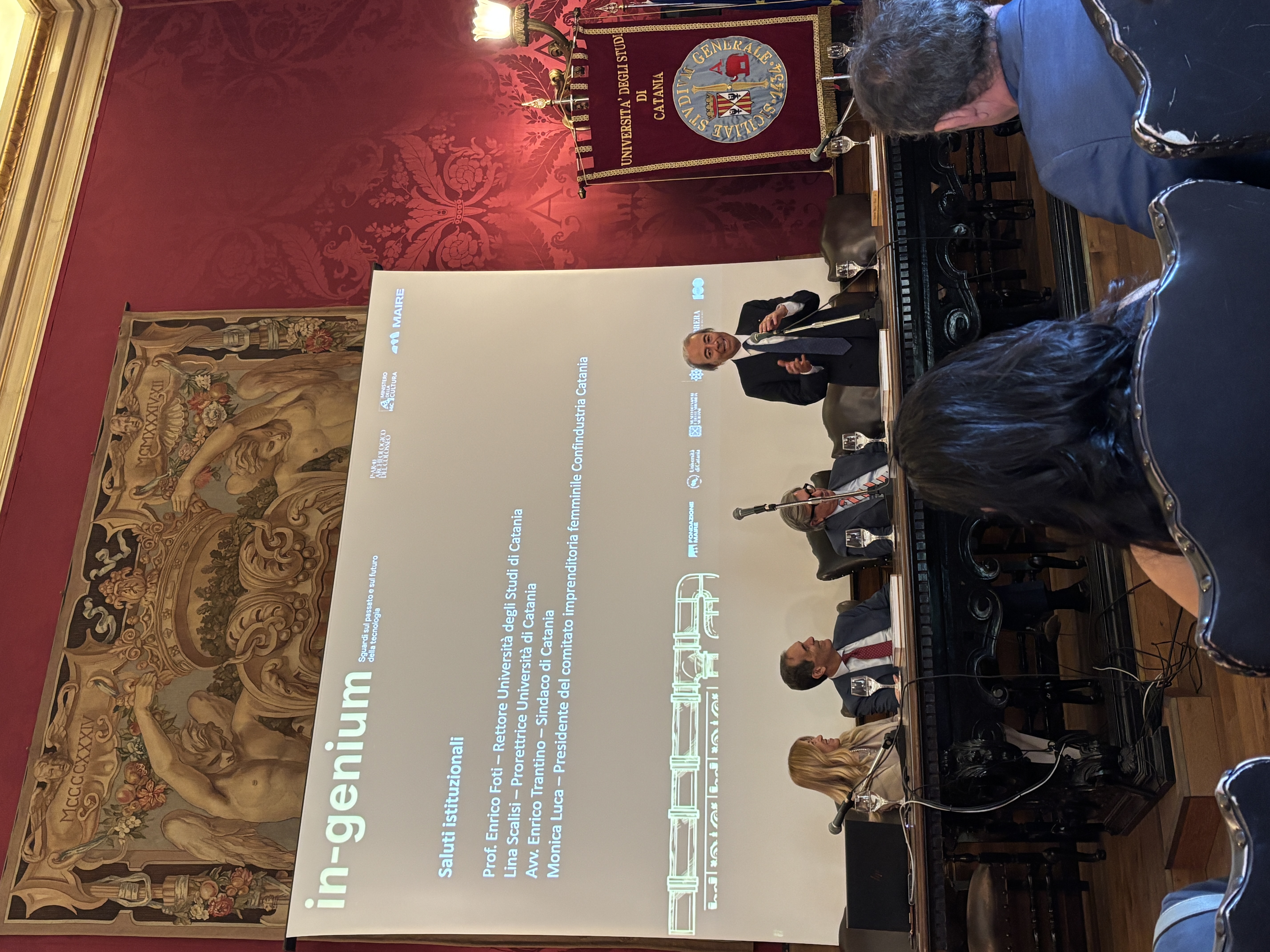
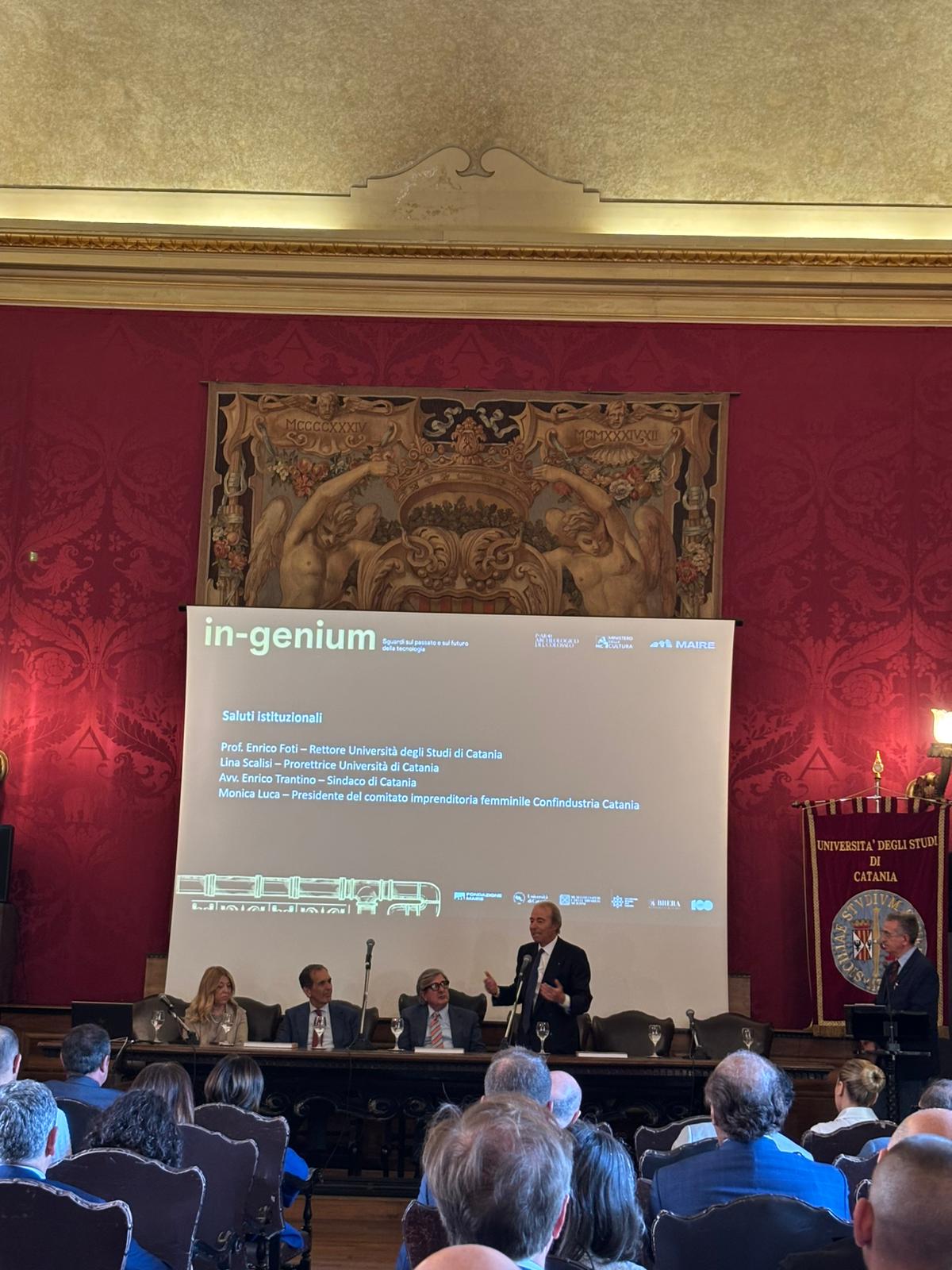
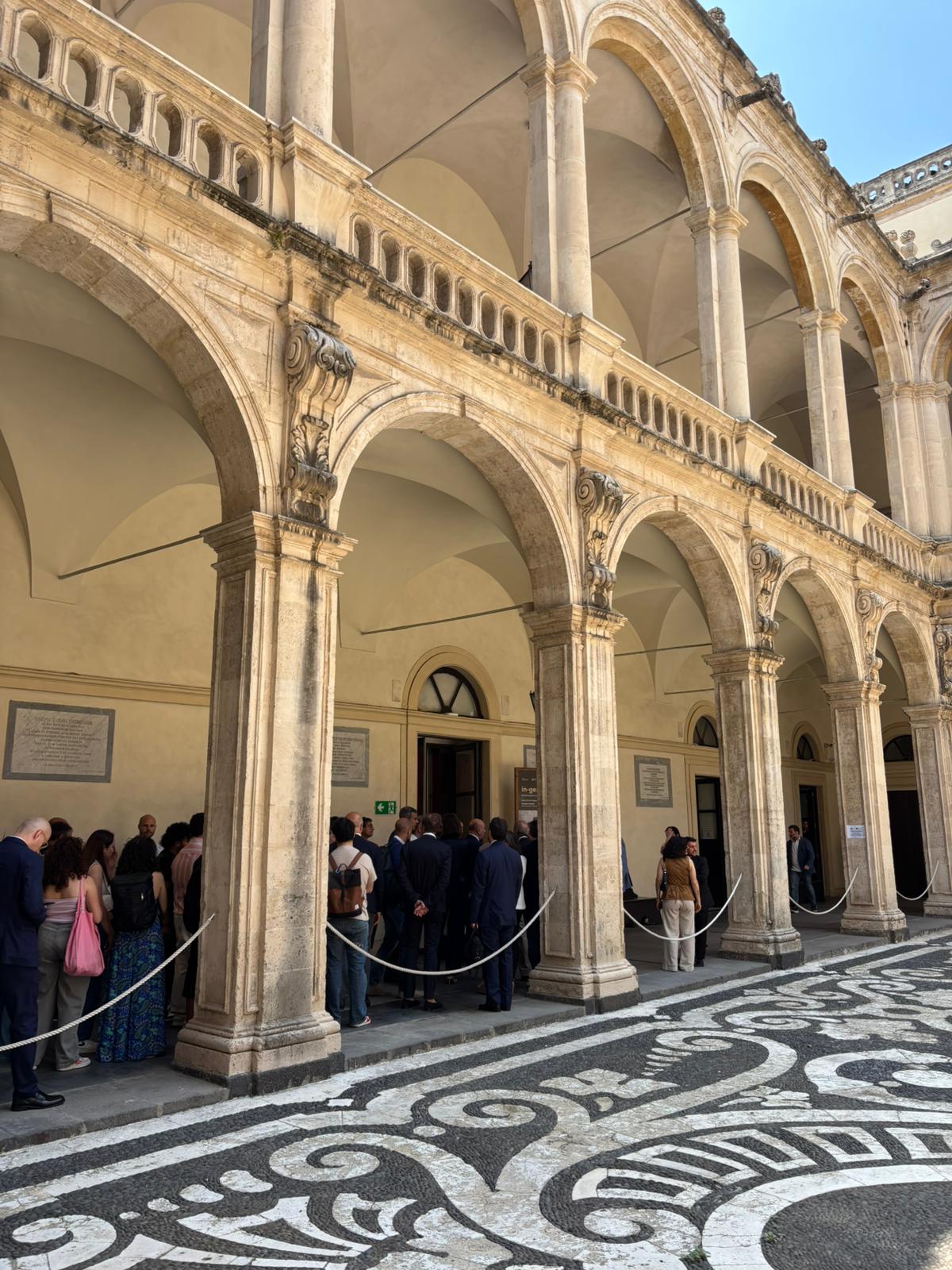
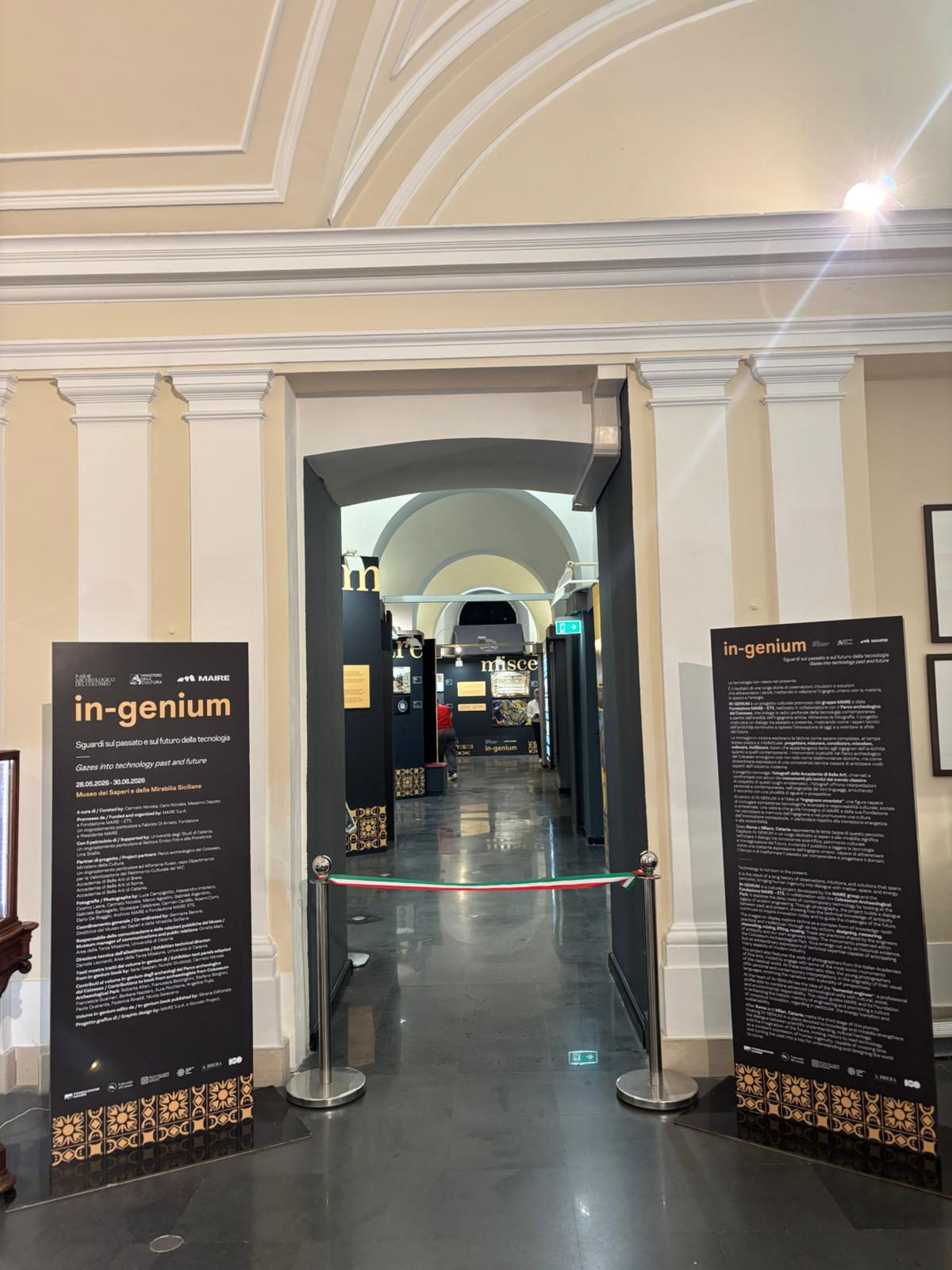
On May 28, 2026, the prestigious setting of the Rector’s Office at the University of Catania hosted the presentation of the photography project “In-genium. Perspectives on the Past and Future of Technology”: a third milestone aimed at strengthening the dialogue between culture, research, and technology in the city that is home to one of the academies involved in the initiative and one of the MAIRE Group’s engineering hubs dedicated to the energy transition.
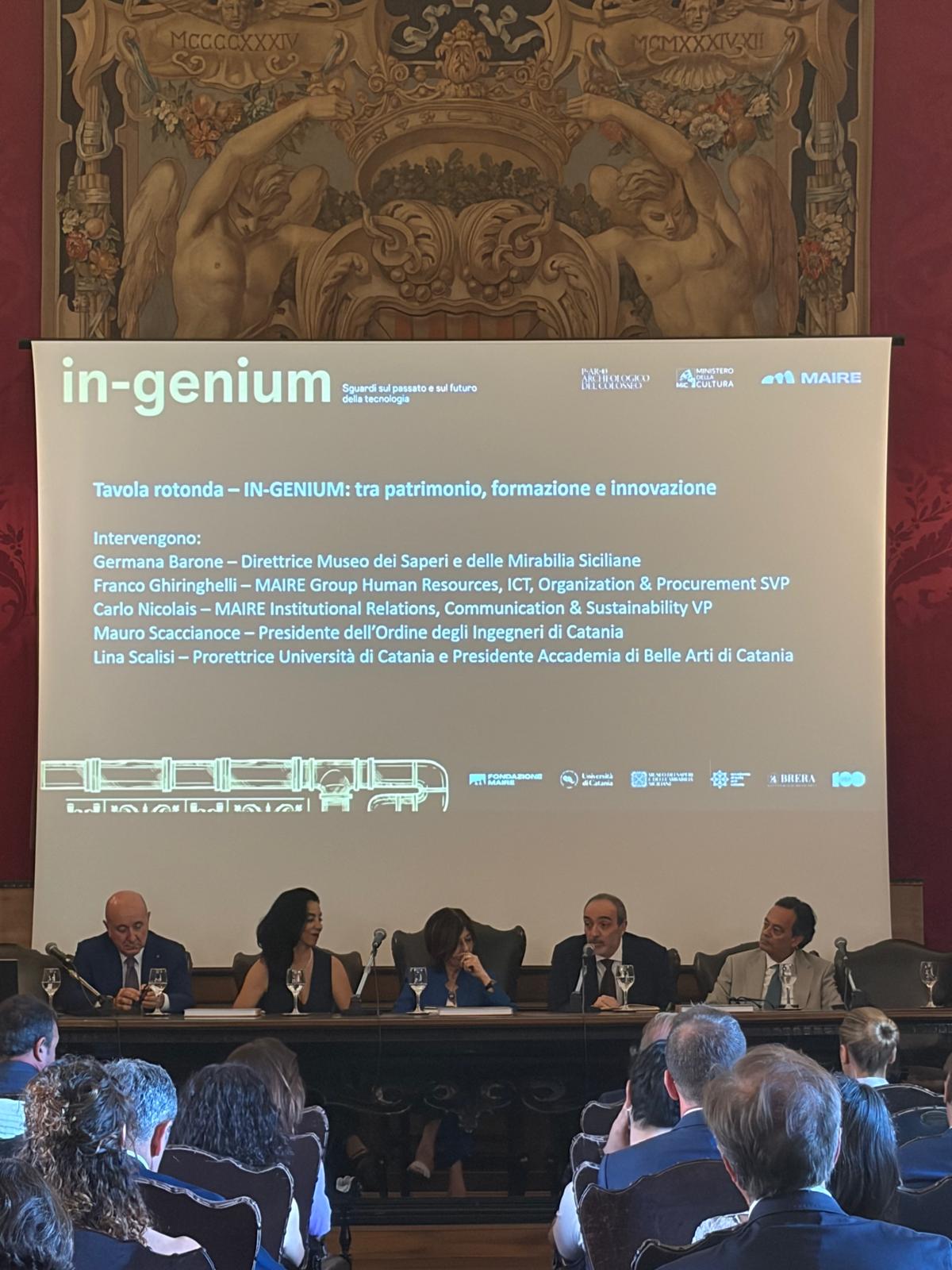
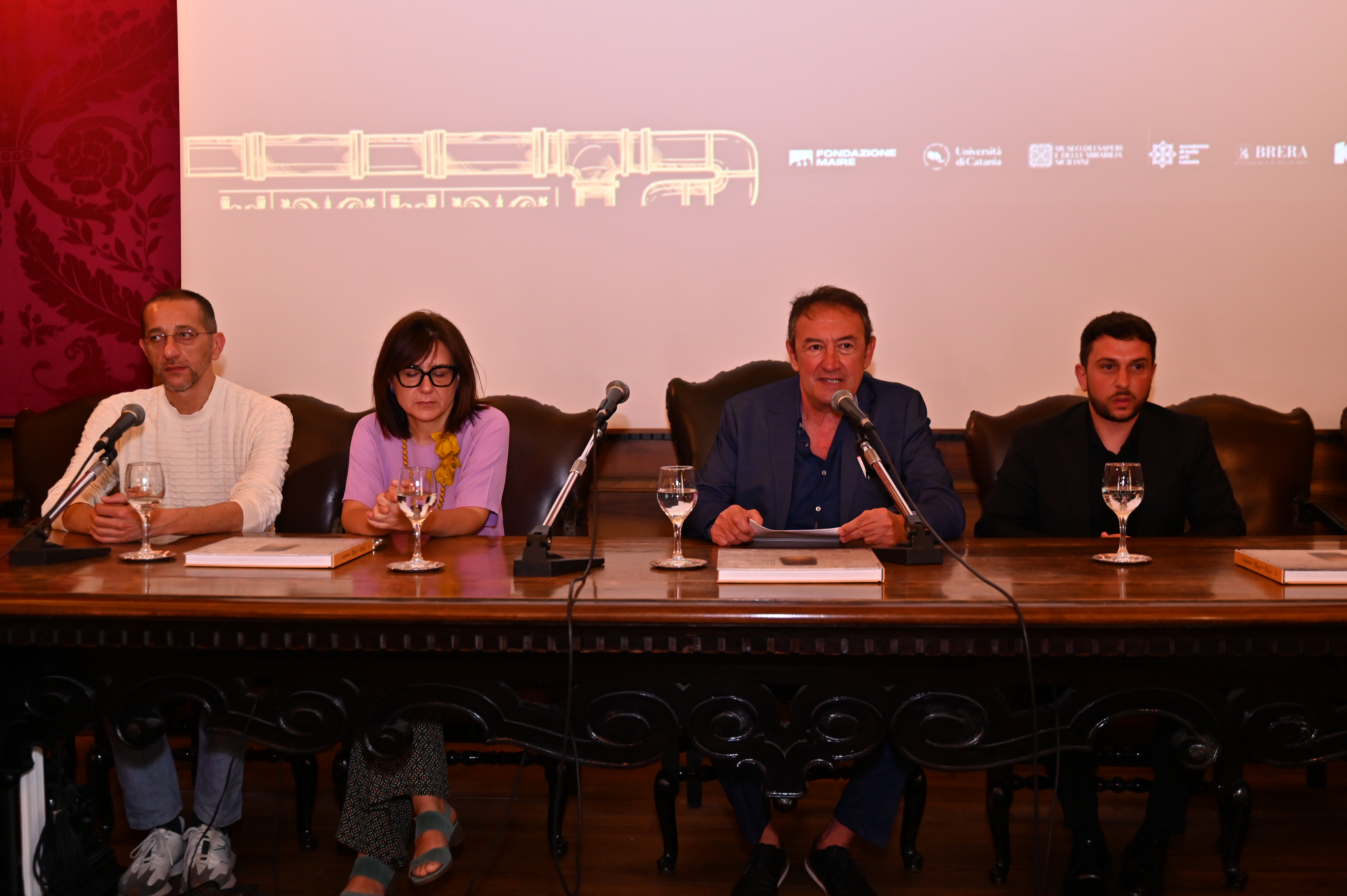
The morning began with opening remarks by Enrico Foti, Rector of the University of Catania; Enrico Trantino, Mayor of Catania; and Monica Luca, President of the Women’s Entrepreneurship Committee of Confindustria Catania. This was followed by a roundtable discussion featuring remarks by Lina Scalisi, Vice Rector of the University of Catania and President of the Academy of Fine Arts of Catania; Germana Barone, Director of the Museo dei Saperi e delle Mirabilia Siciliane; Franco Ghiringhelli, Group Human Resources, ICT, Organization & Procurement SVP at MAIRE; Carlo Nicolais, Institutional Relations, Communication & Sustainability VP at MAIRE; and Mauro Scaccianoce, President of the Order of Engineers of Catania. Finally, Carmelo Nicosia spoke with photographers Gabriele Argentino, Carmen Cardillo, and Giuseppe Calabrese, who participated in the photography project.
At the conclusion of the event, Fabrizio Di Amato, Chairman and Founder of MAIRE and the Fondazione MAIRE–ETS, offered his remarks.
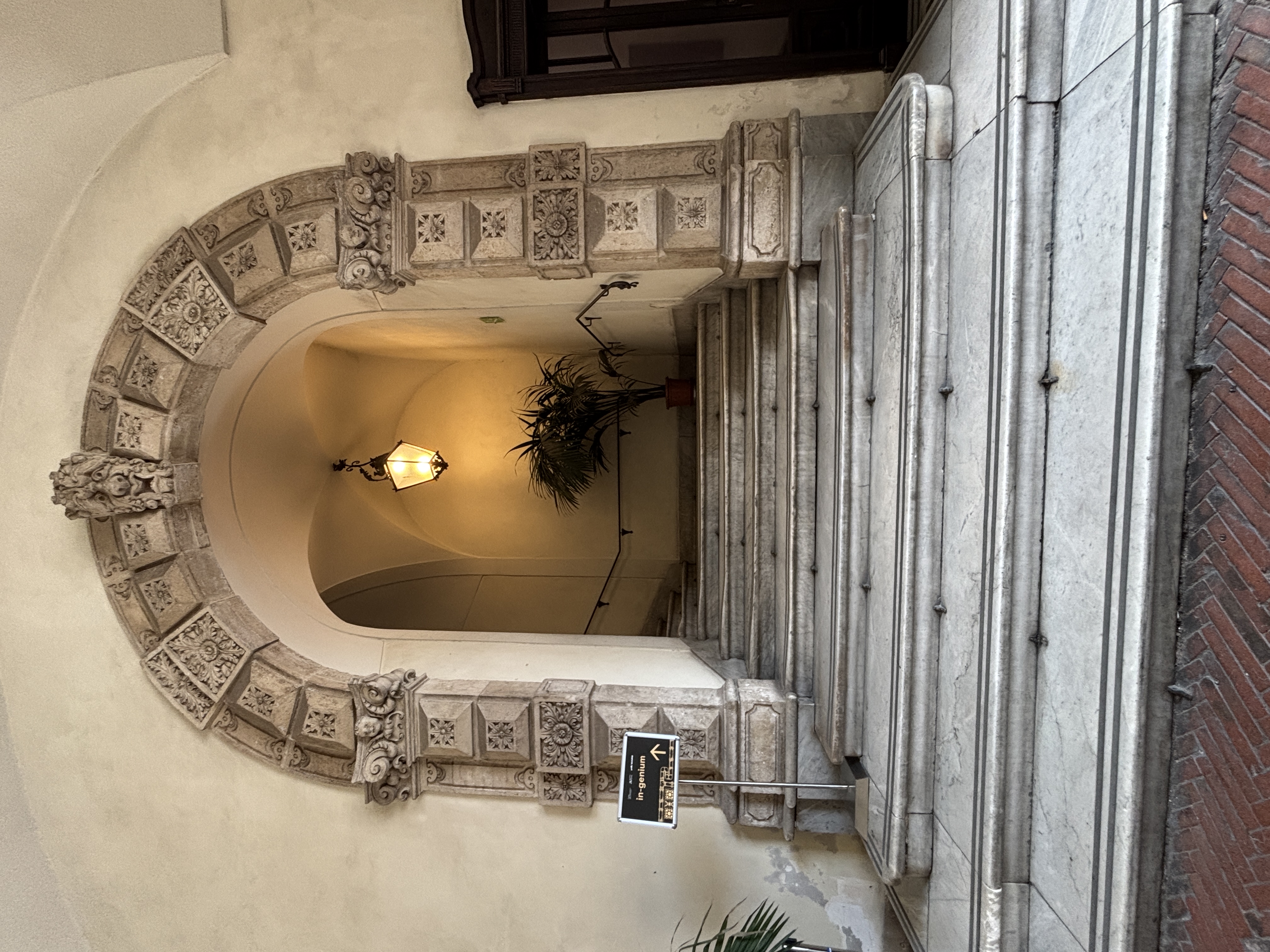
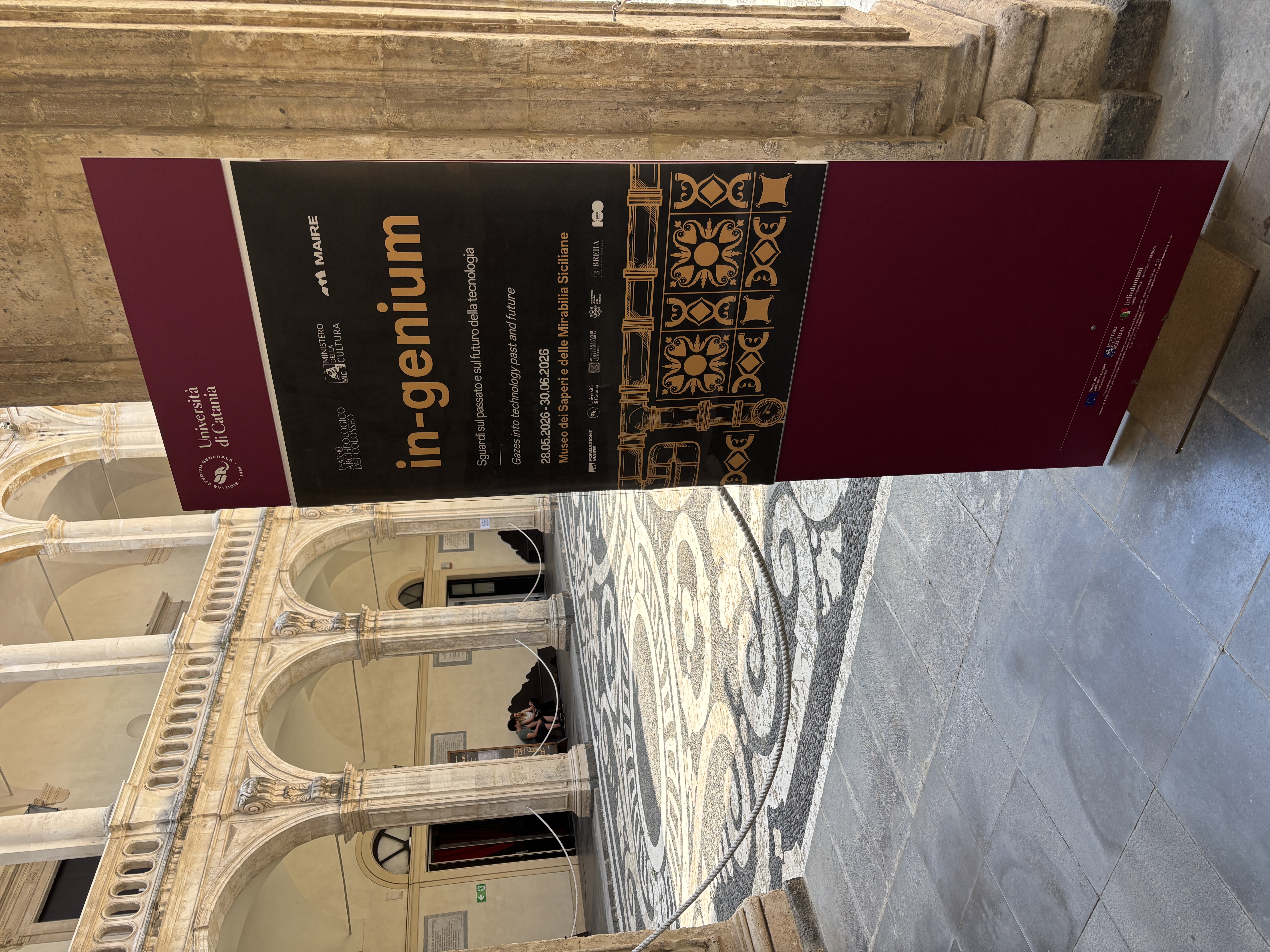
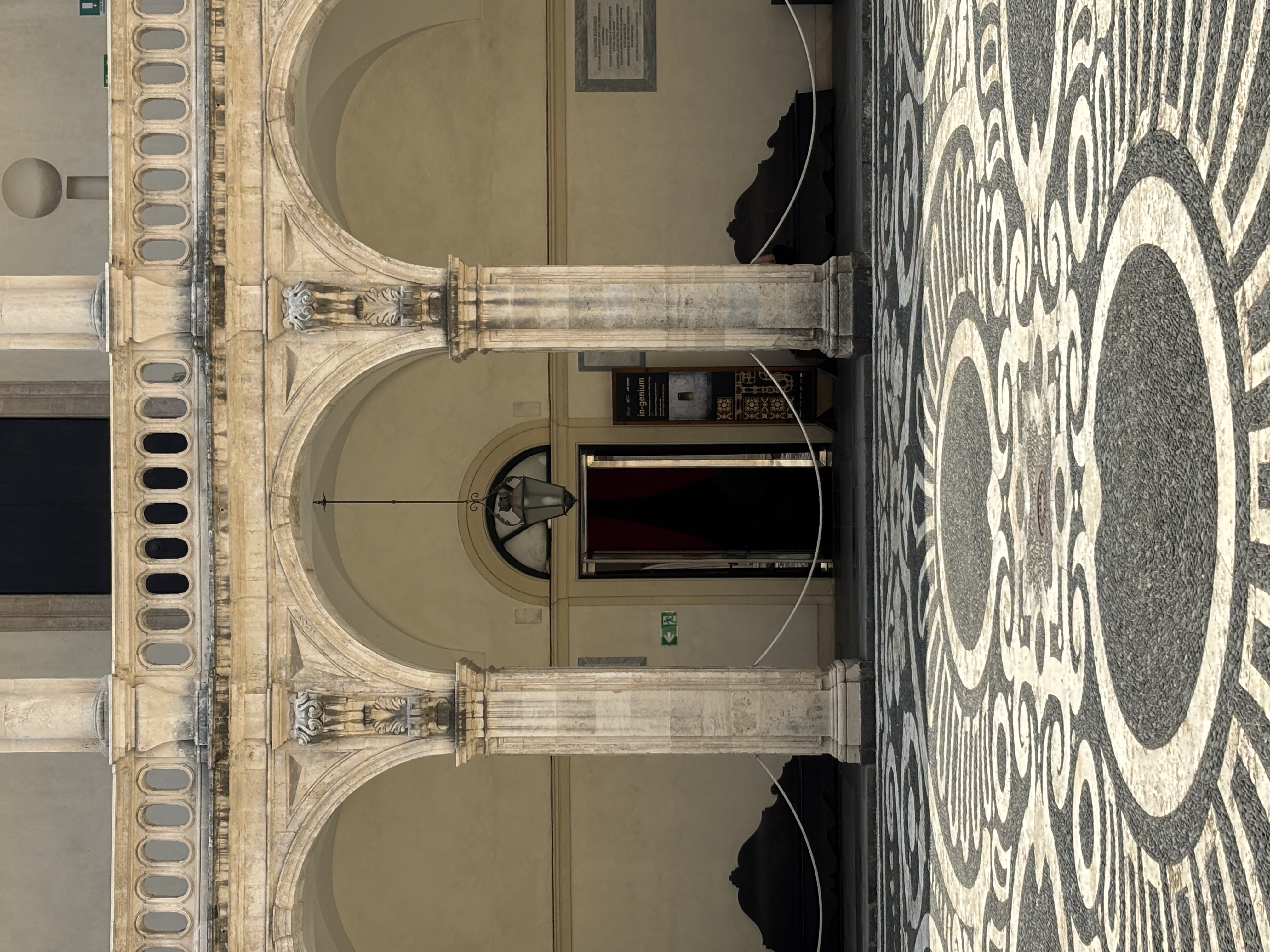
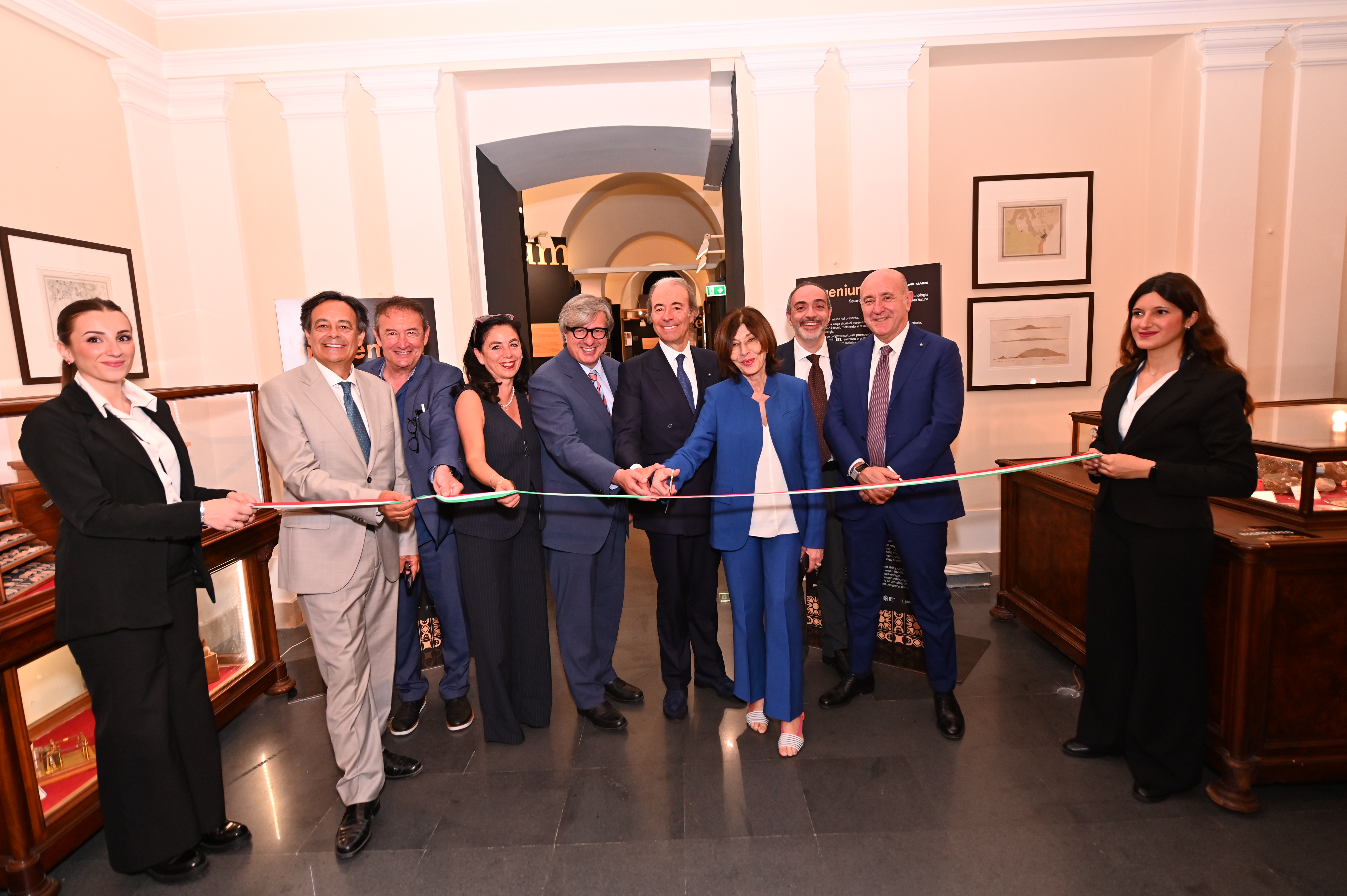
Following the book presentation and press conference, a ribbon-cutting ceremony was held to inaugurate the exhibition of the same name, hosted at the Museo dei Saperi e delle Mirabilia Siciliane, on the premises of and under the patronage of the University of Catania. The exhibition’s incredible success led to its run being extended through September 2026, rather than ending in June.
Through the exhibition, meetings with institutions and professionals, and the involvement of the academic community, this stage highlighted the connection between cultural heritage, education, and the skills needed to shape the future of engineering.
To find out all the details about the event, click here and read the dedicated news article!
TORRE CAPITANIA IN TROINA
Following the success of its first stops, the “In-genium” journey continues in eastern Sicily, fostering a dialogue between culture, innovation, and the territory—including through educational initiatives.
On October 16, 2026, at the Camilleri Cinema-Theater in Troina, the “In-genium” book was presented and the new photography exhibition was inaugurated. The exhibition is housed in the Torre Capitania and will be open to the public through December.
The event also marked the starting point of a new initiative: Fondazione MAIRE – ETS and the “Don Bosco – E. Majorana” Comprehensive Institute signed a school-to-work training agreement, launching a collaboration dedicated to local students. An educational program for secondary school students will be developed for the 2026–2027 school year, featuring career guidance and training on topics such as sustainability, the energy transition, climate change, and decarbonization technologies.
An opportunity to reflect once again on the value of human ingenuity as a shared heritage and as a resource for envisioning the future.
To visit the exhibition:
📆 October 16–December 18, 2026
📍Torre Capitania Museum Complex, Sala Grande – Via Conte Ruggero 57, Troina (EN)
🕑 Morning: 10:00 a.m. – 1:00 p.m. | Afternoon: 4:30 p.m. – 7:30 p.m. | Monday: Closed