Fondazione MAIRE – ETS at the Sibillini Europa Summer School 2026: skills and the energy transition at the heart of the dialogue with the newer generations
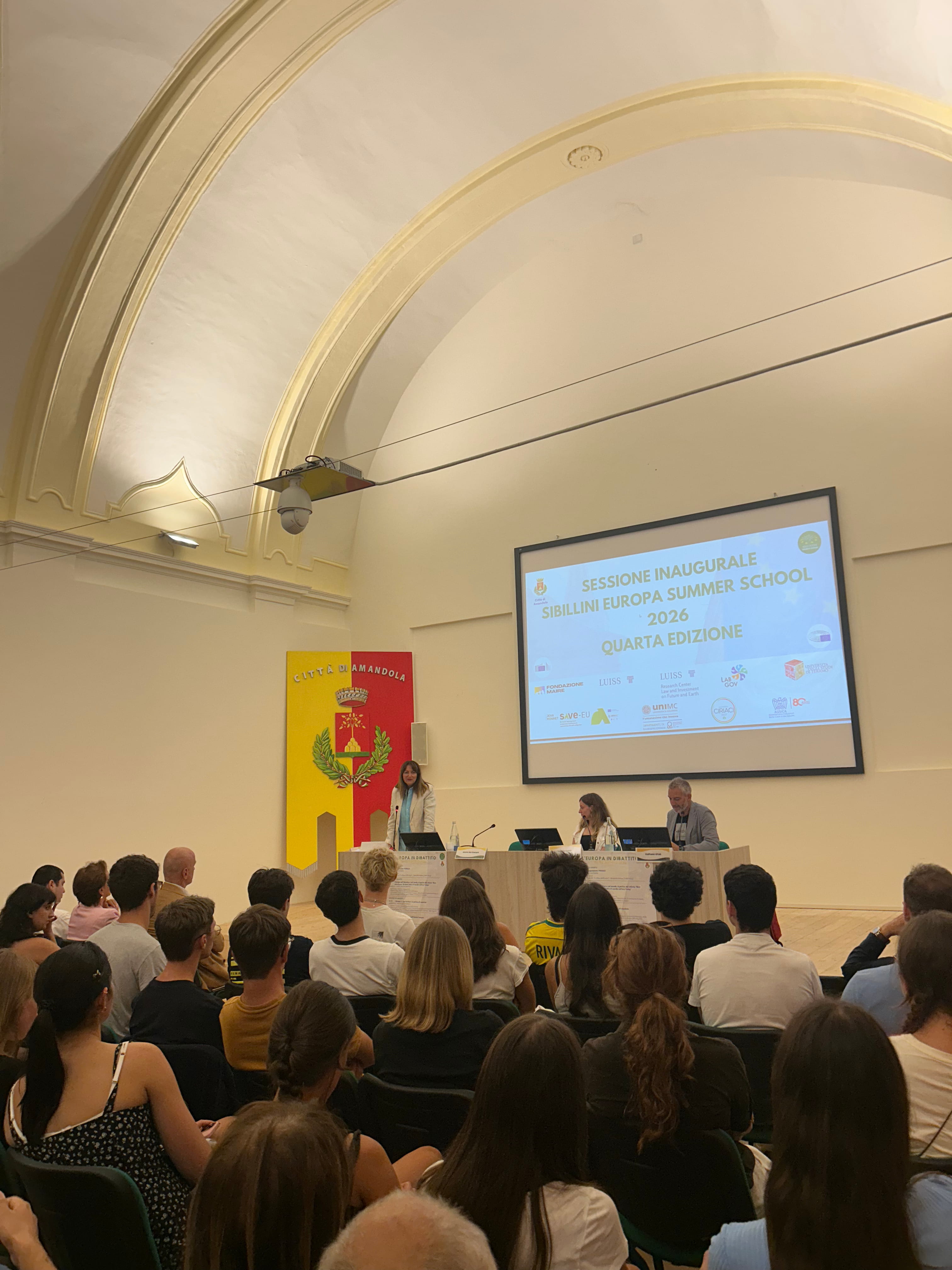
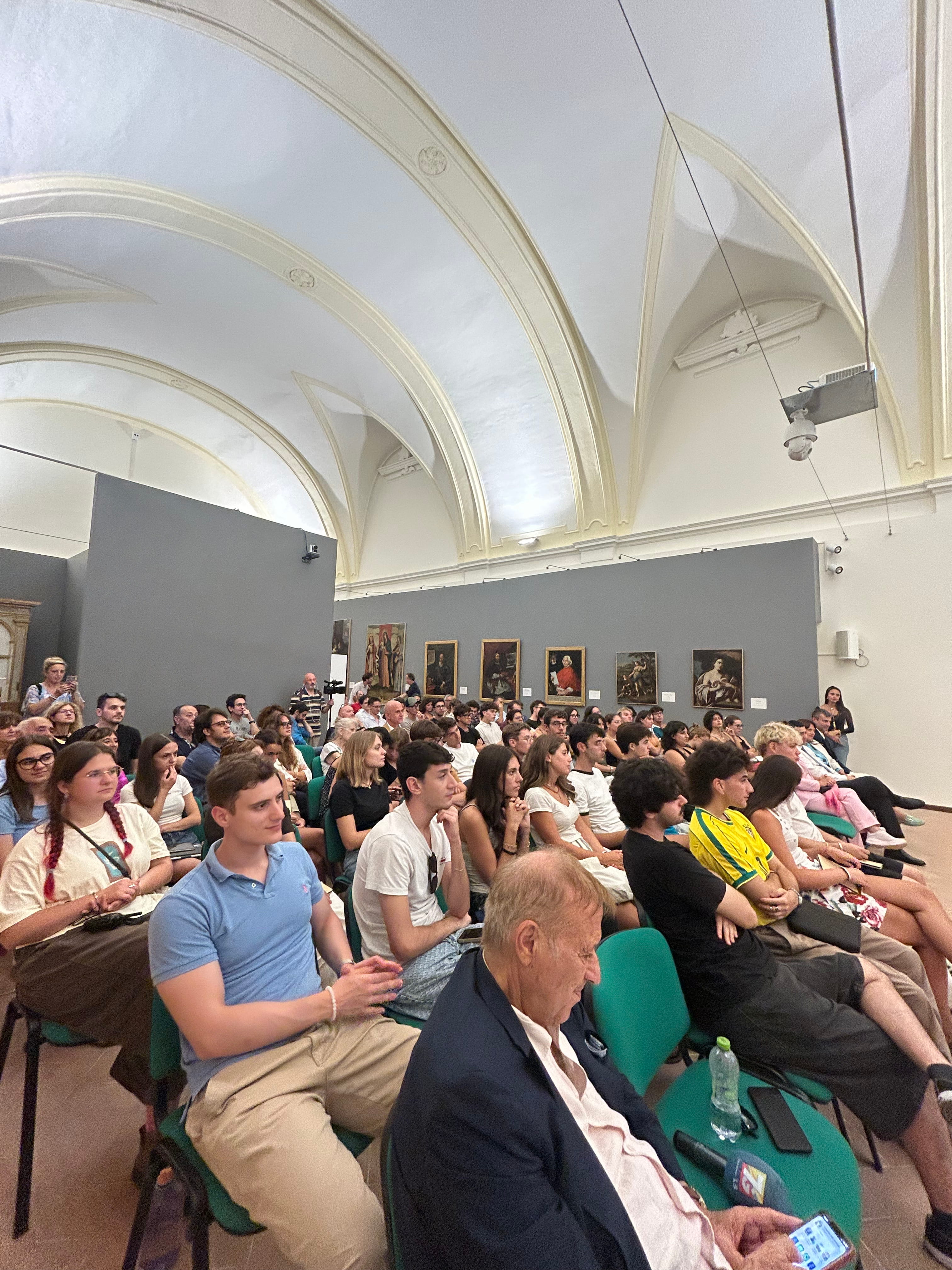
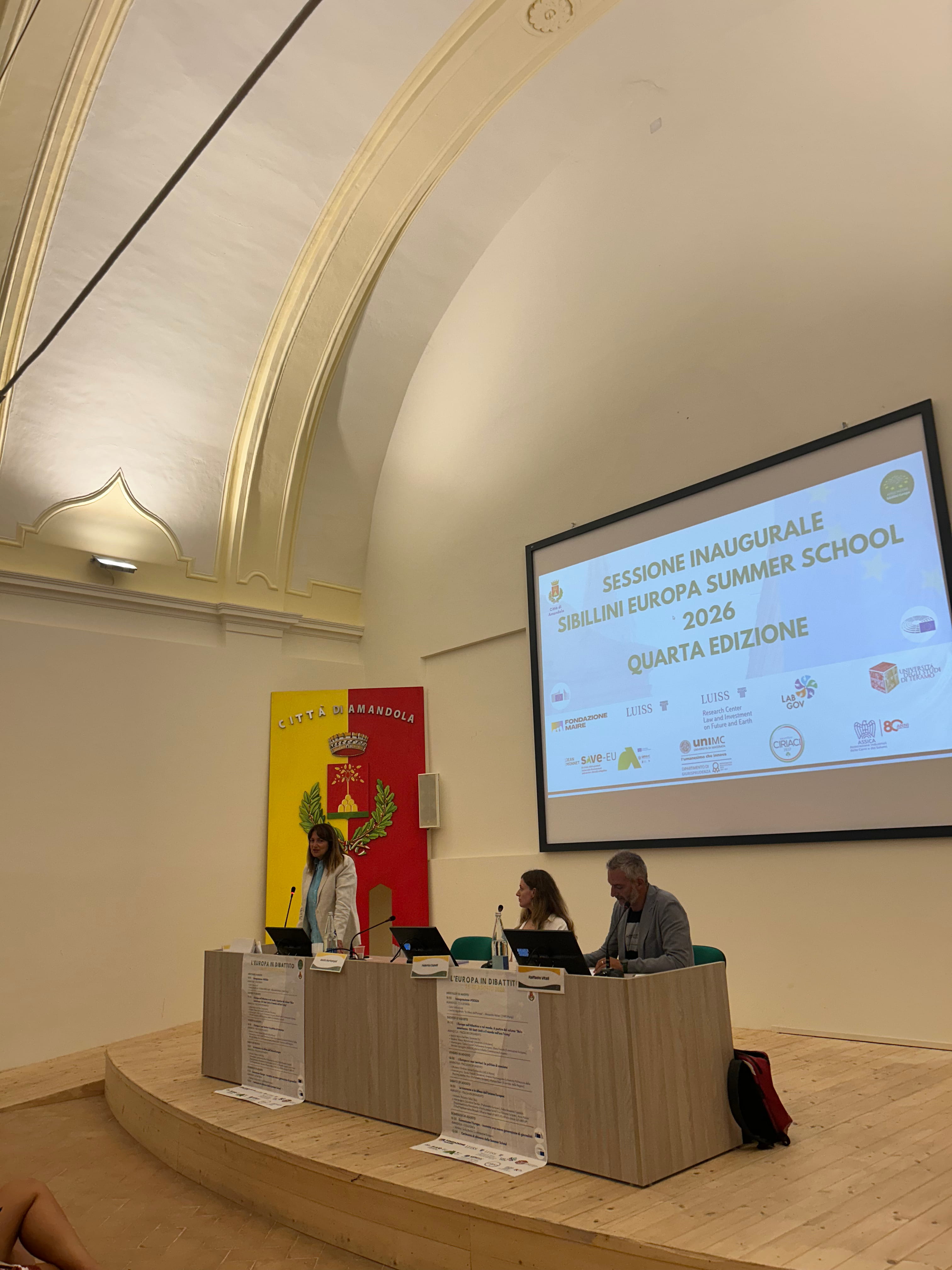
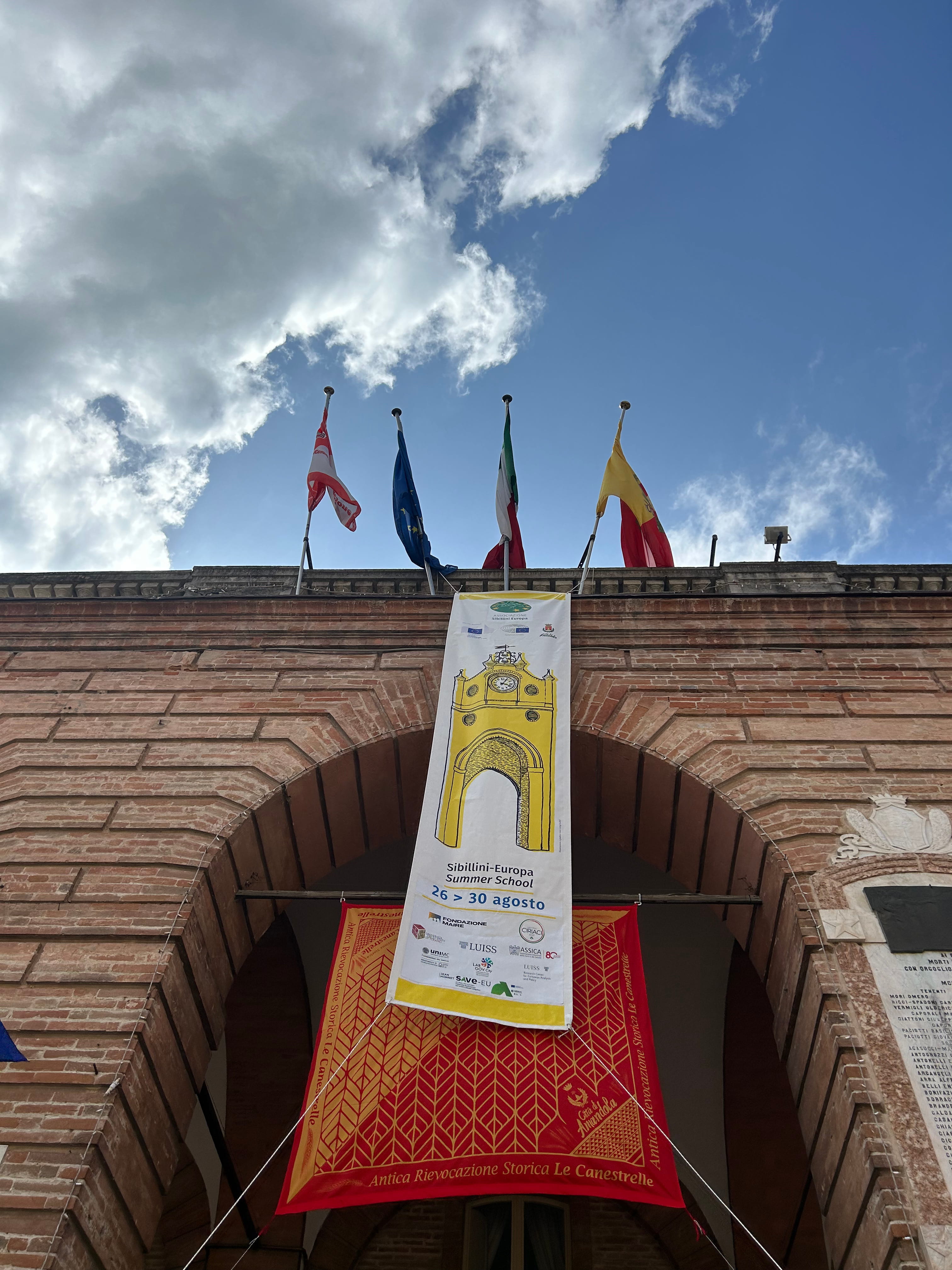
NEWSThe latest edition of the Sibillini Europa Summer School took place from 26 to 30 August 2026 in Amandola. This initiative, organised by the Associazione Sibillini Europa ETS, brings together young people from various countries each year to reflect on the major challenges facing Europe’s future. The Fondazione MAIRE – ETS took part in the 2026 edition with a lecture and a workshop dedicated to the international research project “Climate Goals”.
Born out of the commitment of a group of young people with links to the Sibillini Mountains region, the Associazione Sibillini Europa ETS promotes opportunities for discussion and training on the themes of European integration, active citizenship and regional development. The summer school is one of its key events: five days of lectures, practical activities, group work and networking sessions aimed at students and young people interested in European and international affairs. The 2026 edition addressed some of the most significant issues for the continent’s future, including transatlantic relations, international trade, geopolitics, migration policies, sustainability and decarbonisation. It was within this context that the Fondazione MAIRE – ETS made its contribution – for the third consecutive year – by hosting a session on 27 August to explore the relationship between the energy transition and the development of professional skills.
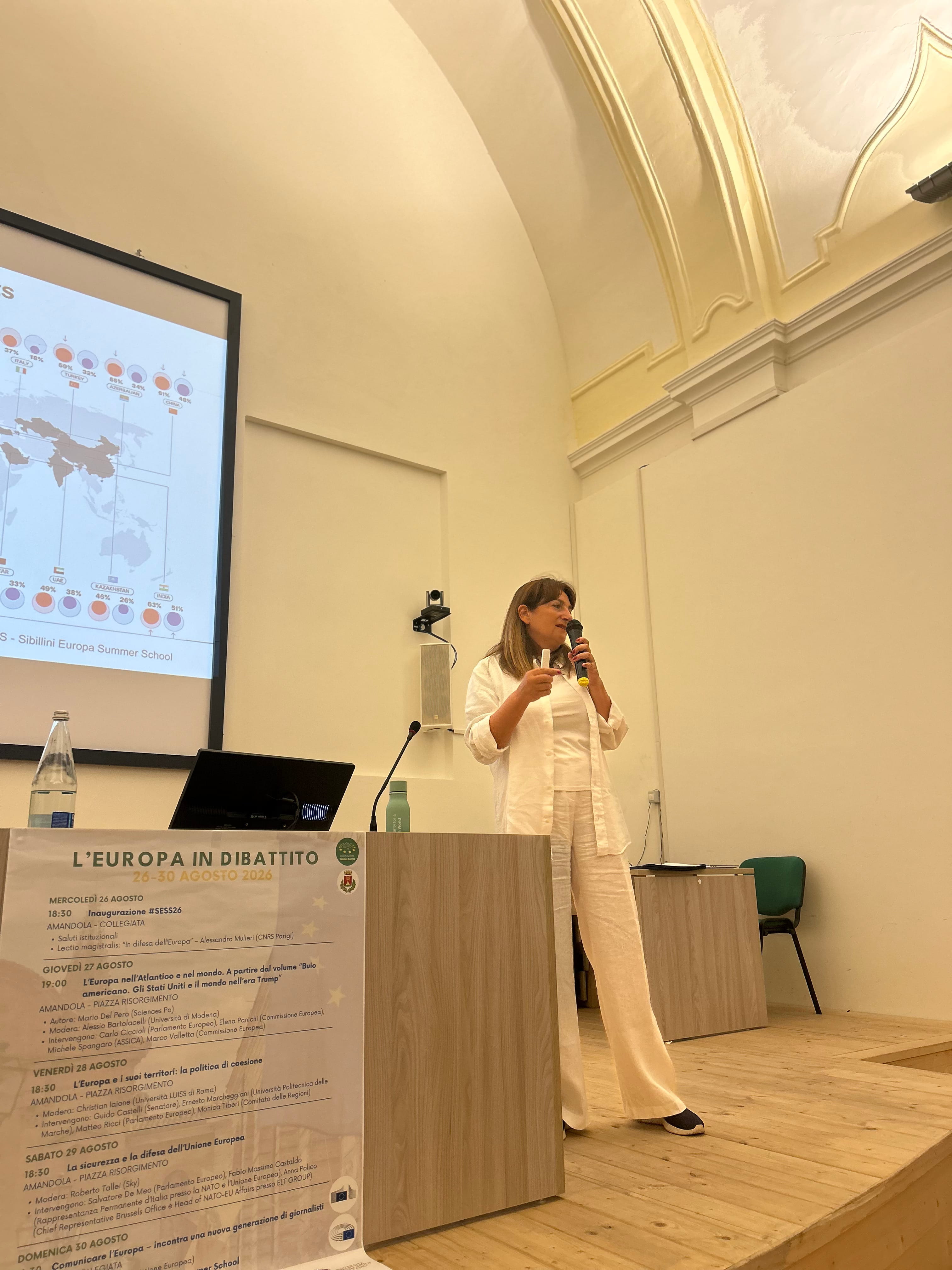
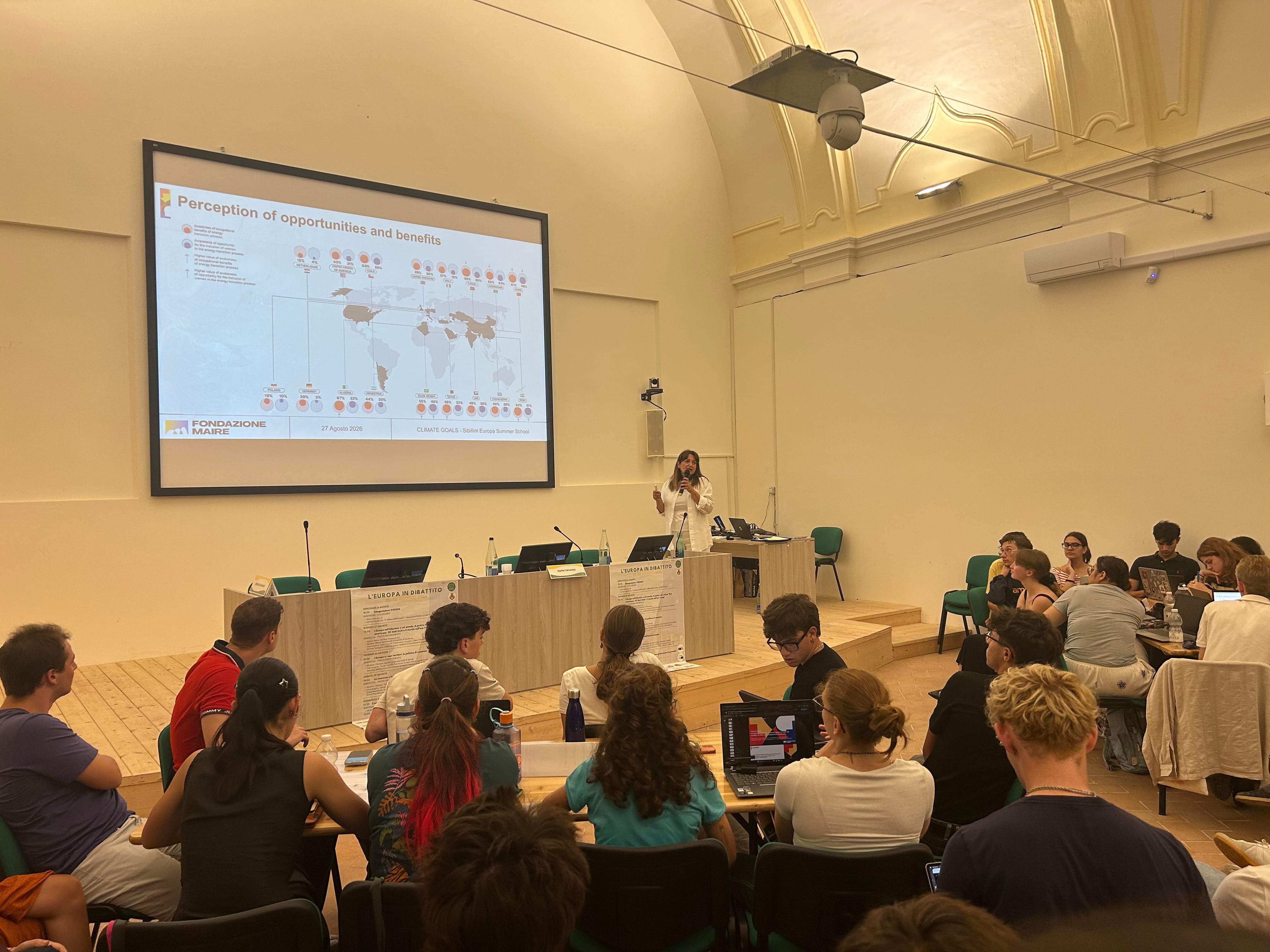
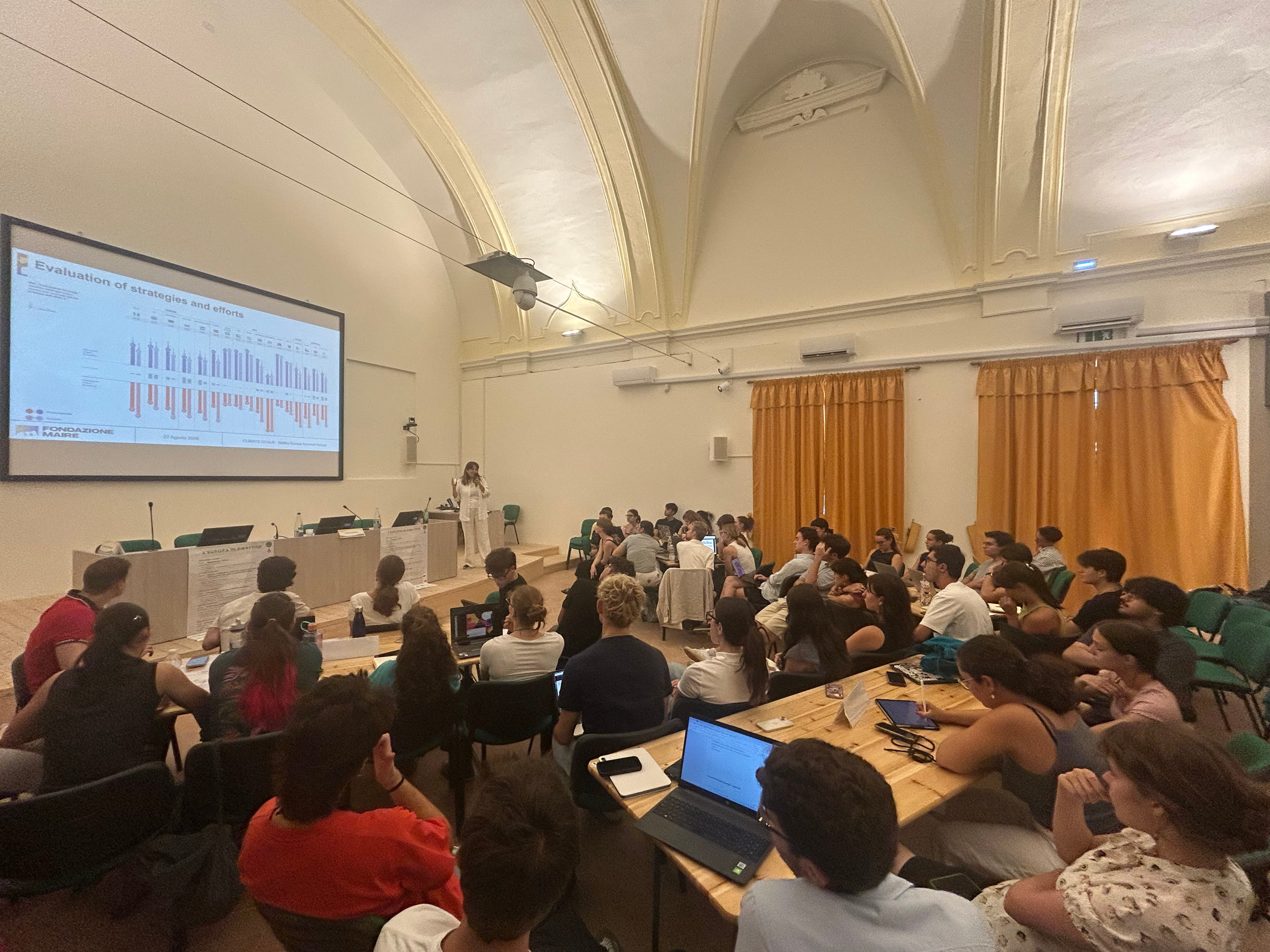
The meeting was chaired by the Foundation’s General Director, Ilaria Catastini, who presented the findings of the research study “Climate Goals: winning the challenge of climate goals through the creation of skills and competences worldwide” to the participants. The study was carried out by Ipsos Doxa on behalf of the Foundation and will be updated and expanded annually from 2023 onwards.
The research now covers 17 countries across four continents, comprises 2,850 interviews and 25 in-depth discussions with experts, and analyses public awareness of the energy transition and the role that developing new skills plays in achieving climate targets. The results show a growing focus on the energy transition at a global level and a widespread awareness that investing in skills is an essential prerequisite for the success of this process. In this context, emerging economies appear to be far ahead in understanding the benefits – including the economic ones – of the energy transition and in driving the development of the necessary skills, in contrast to what is observed in mature economies.
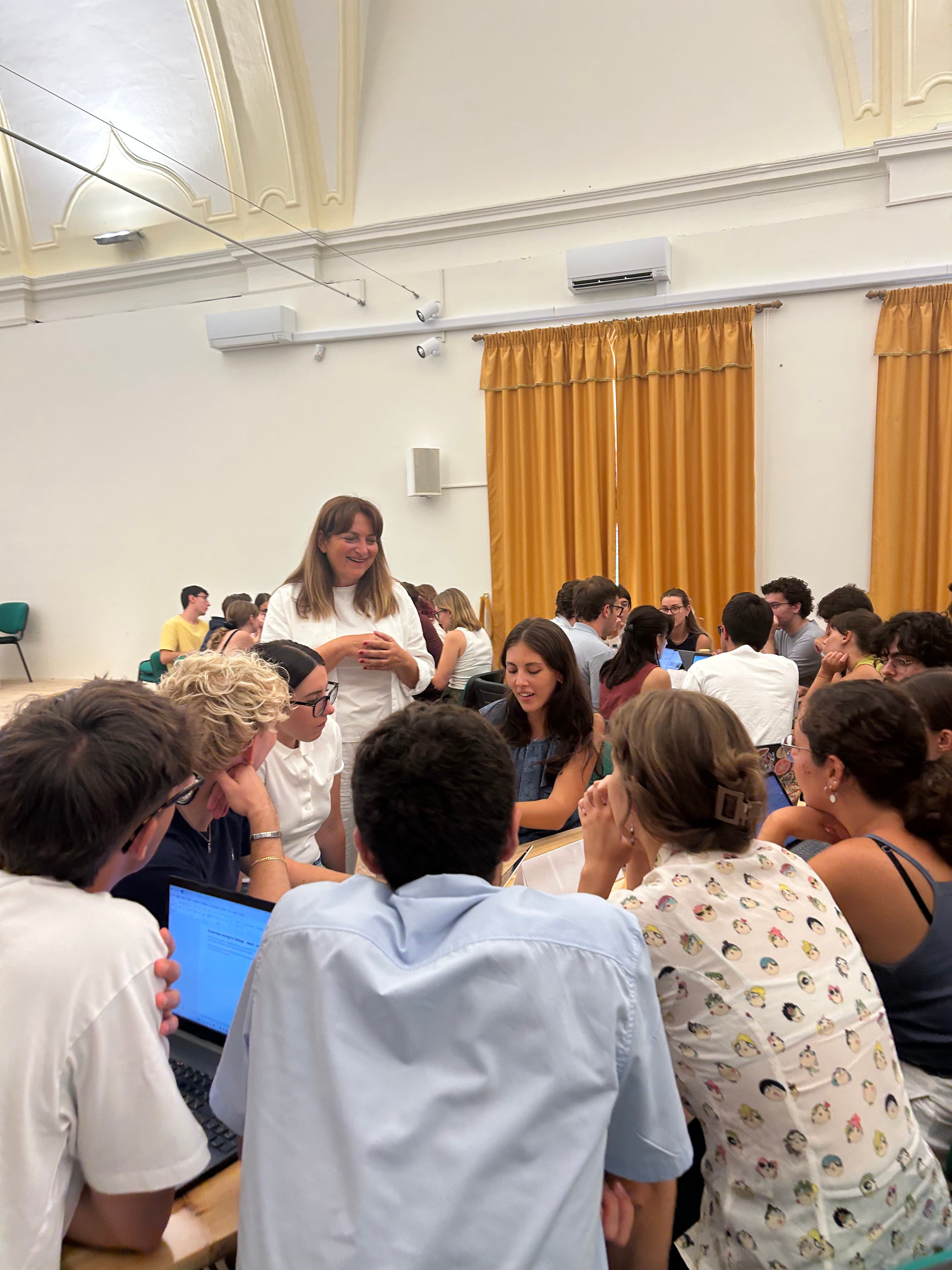
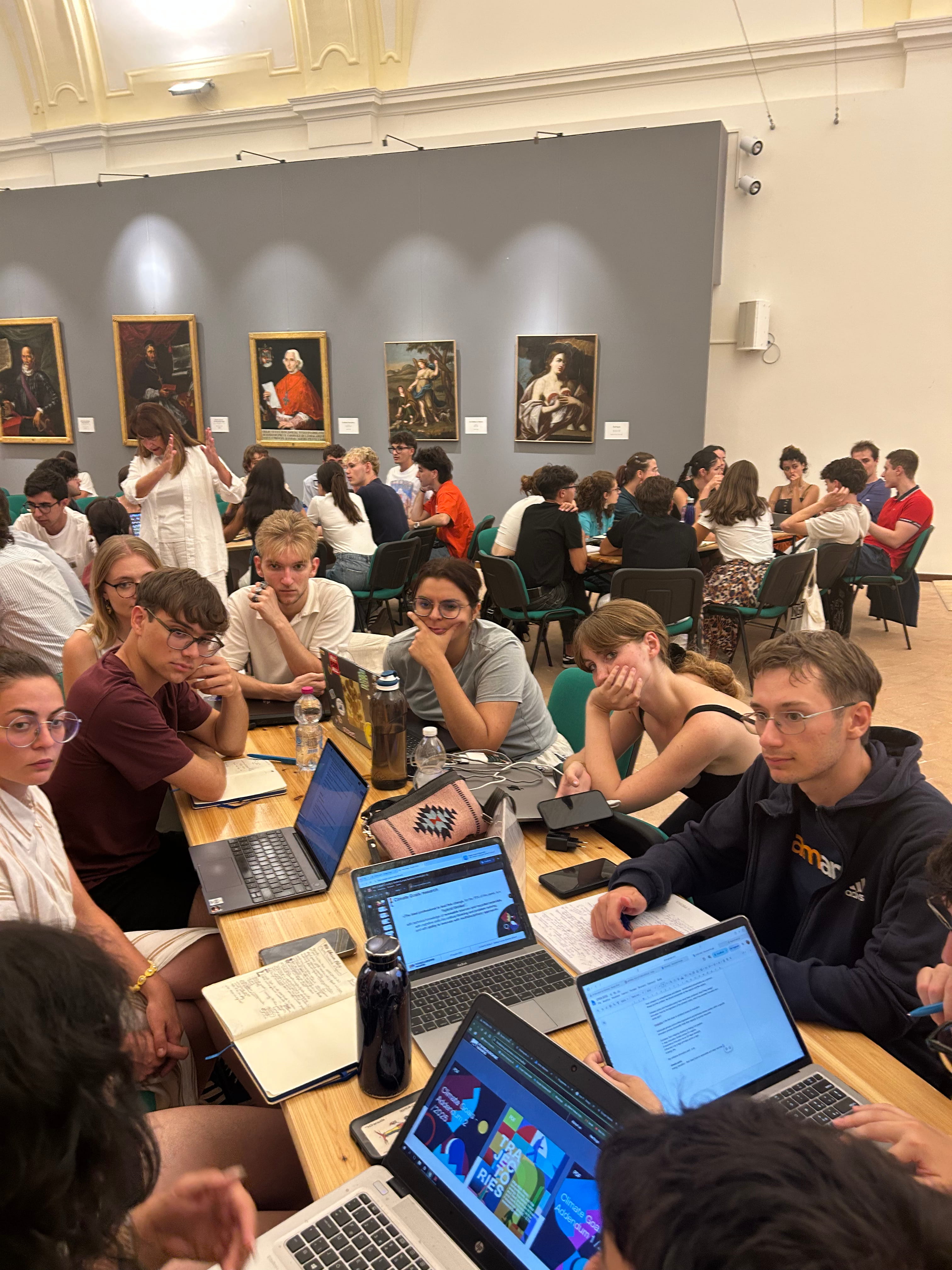
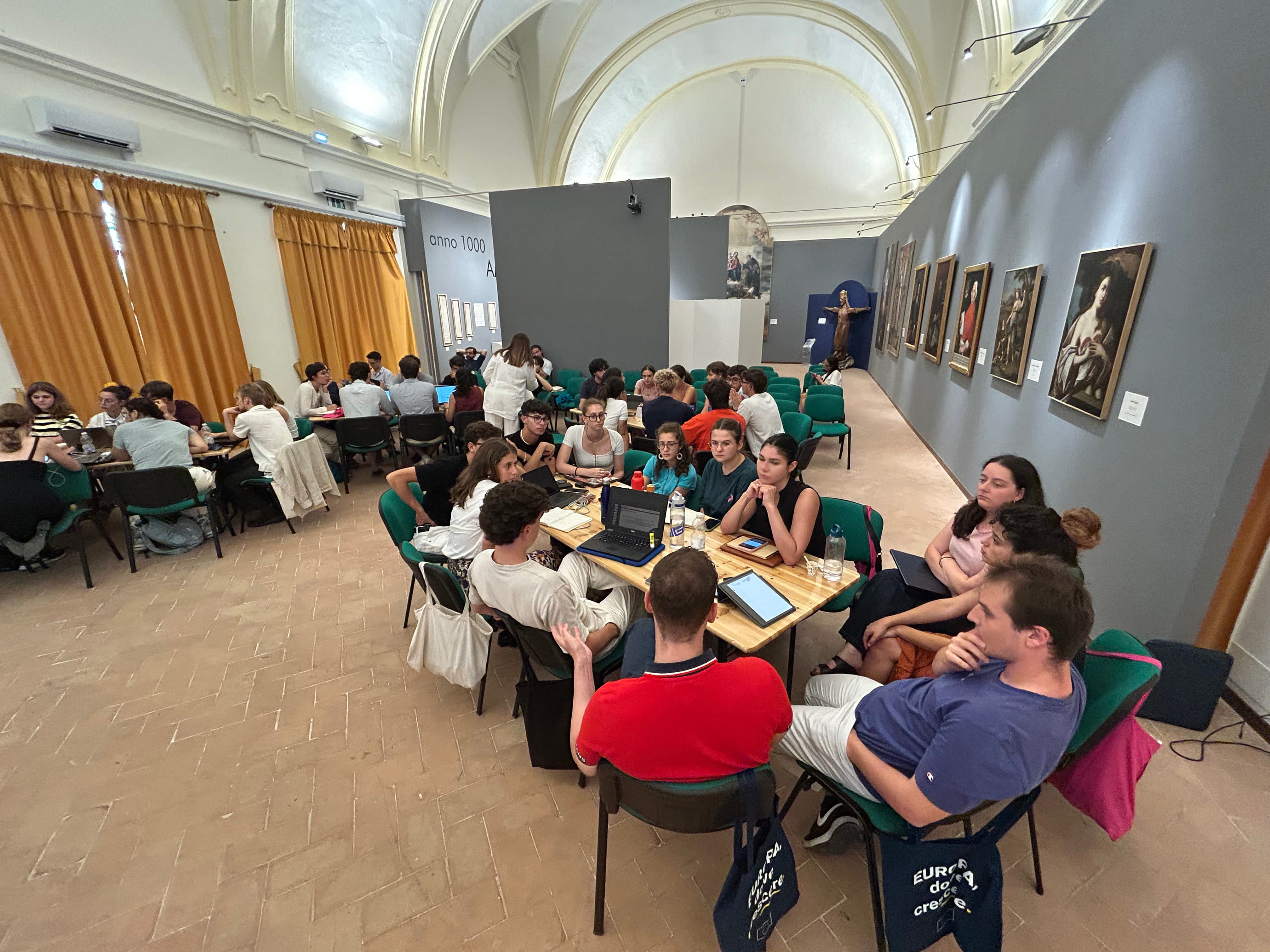
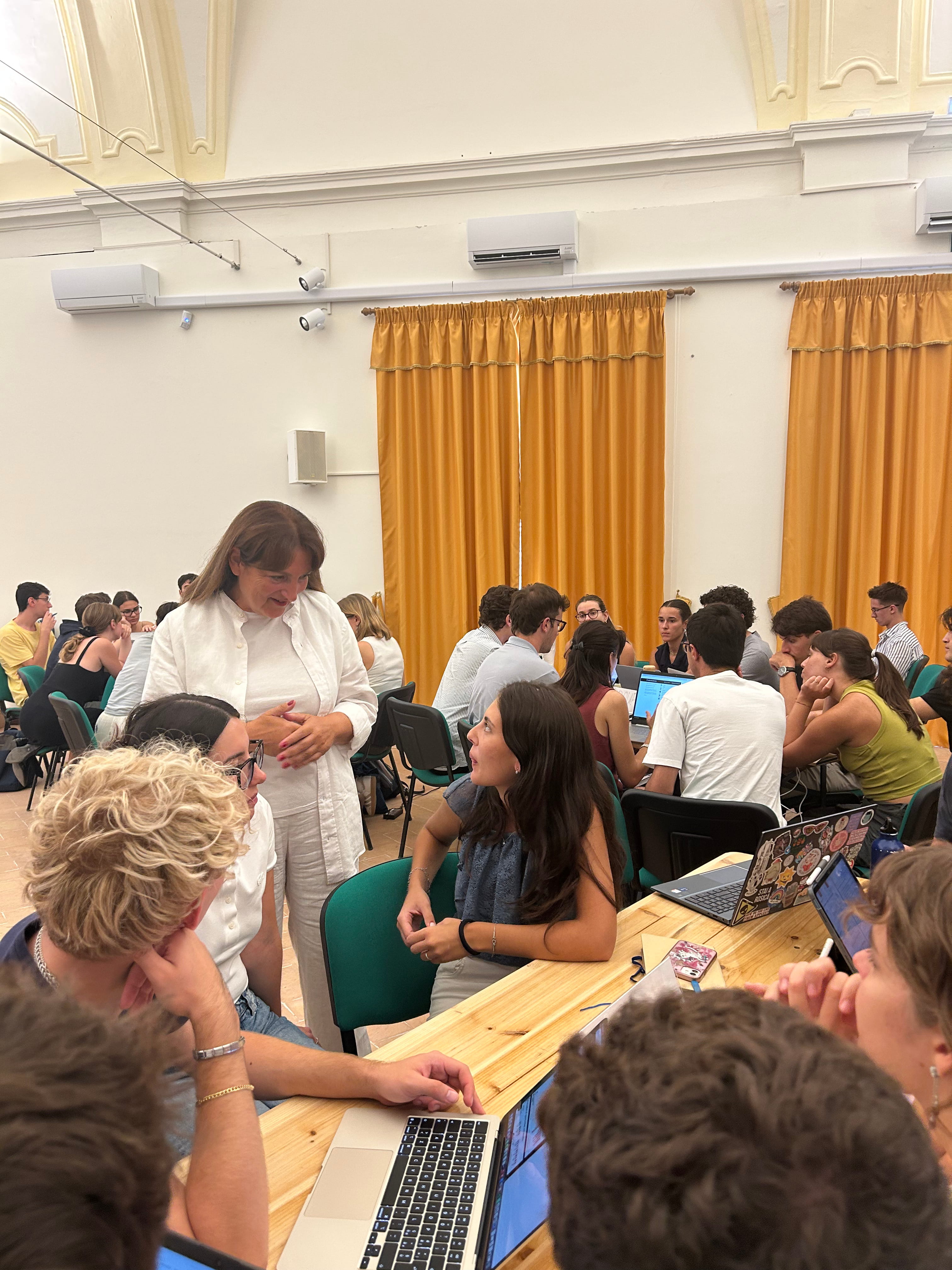
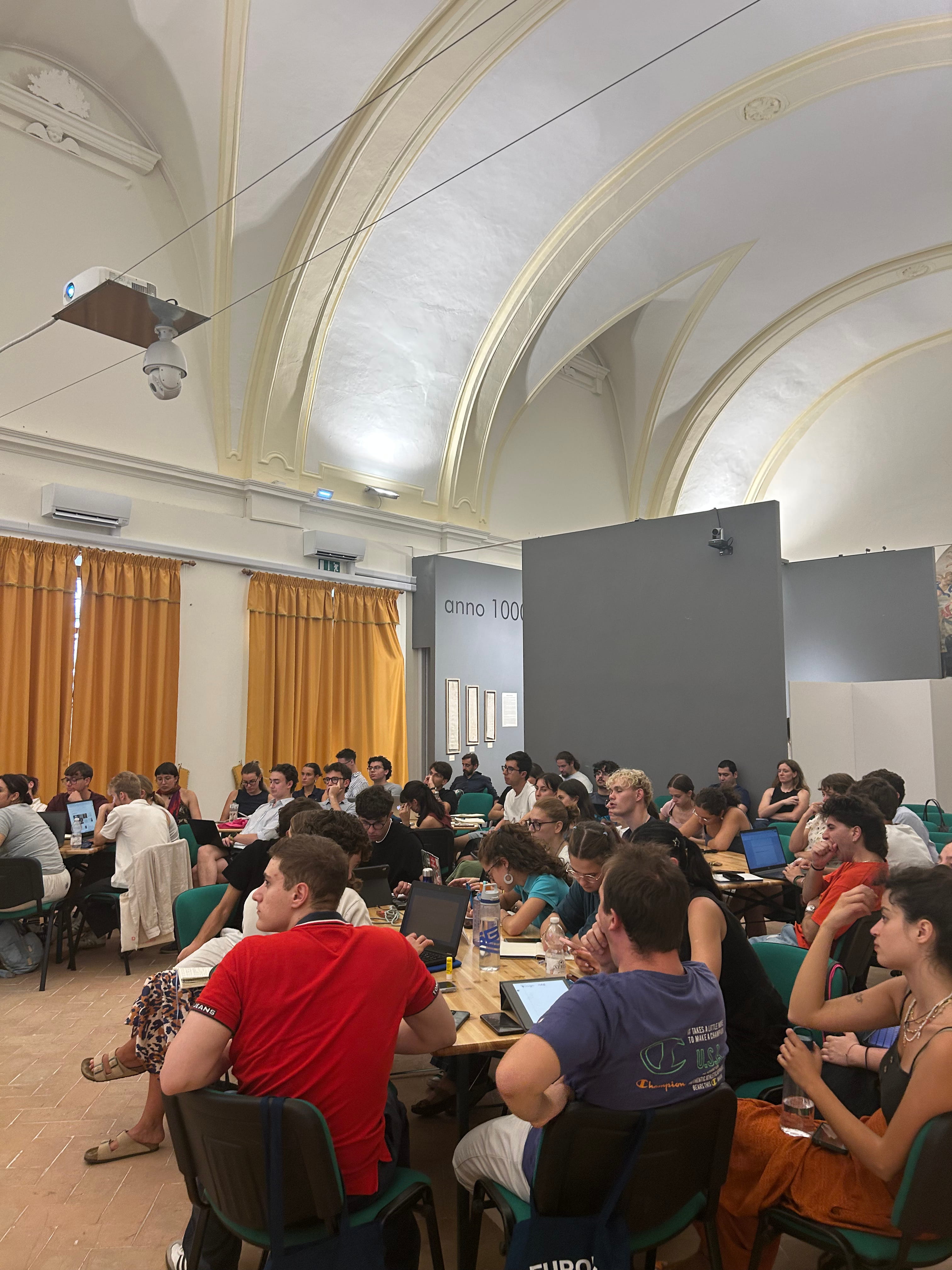
Following the presentation, participants took part in an interactive workshop that invited them to envisage possible future scenarios for the roll-out of the energy transition between now and 2050. Through discussions in working groups, the young people reflected on the effects of global economic, climatic and geopolitical dynamics and on the role that Europe could play in a constantly evolving international context.
With its mix of data, scenarios and group activities, the summer school proved to be a space for open and participatory discussion, where complex issues could be explored in depth, starting from the questions and ideas of the younger generation. It was an opportunity for shared growth that placed the value of knowledge and skills at the centre as tools for understanding and supporting change.