Together with AVSI to open up new “TRAJECTORIES”: In Milan, the city that cooperates promotes human capital mobility
NEWSOn April 14, the event “Milan – A City That Cooperates,” organized by AVSI and sponsored by the City of Milan, took place in Milan: our projects under the “TRAJECTORIES” initiative, aimed at integrating migrants and refugees into the energy transition sector, were highlighted as a model of best practice.
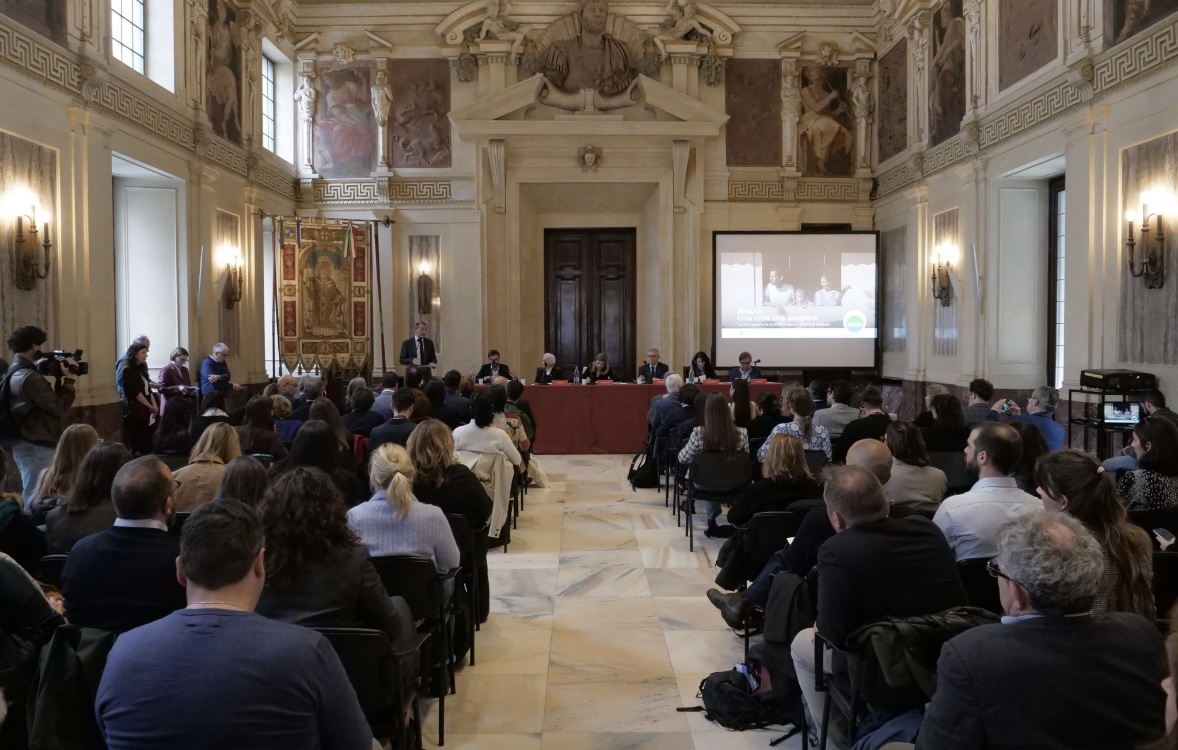
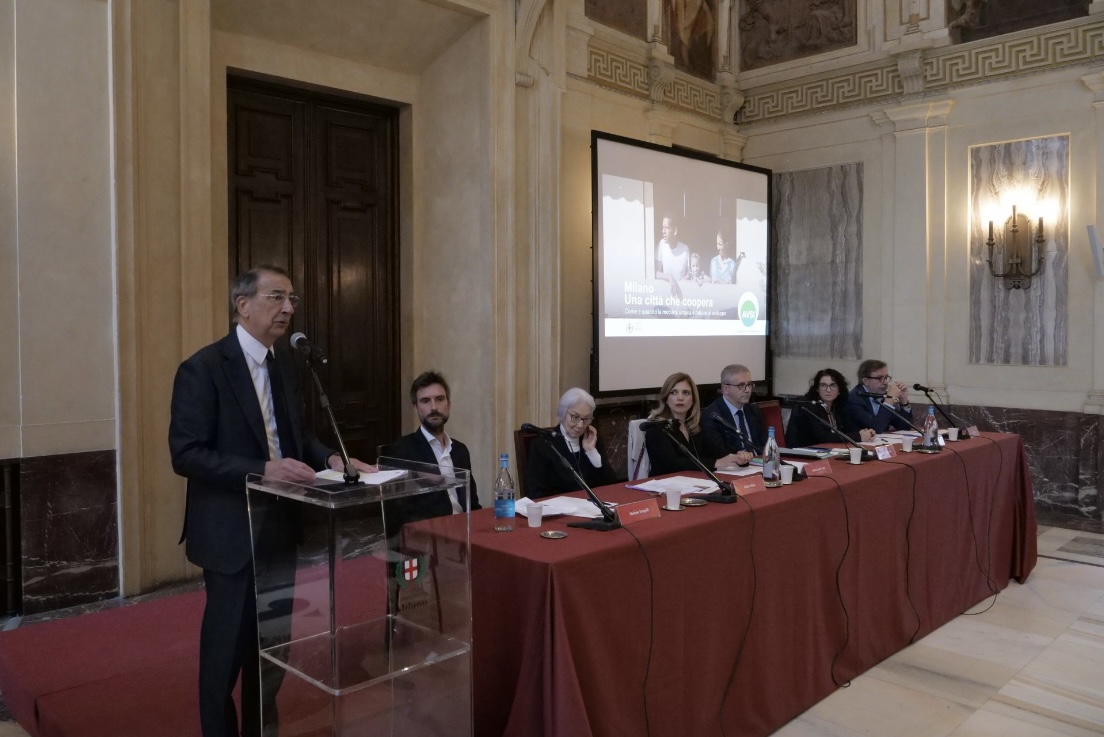
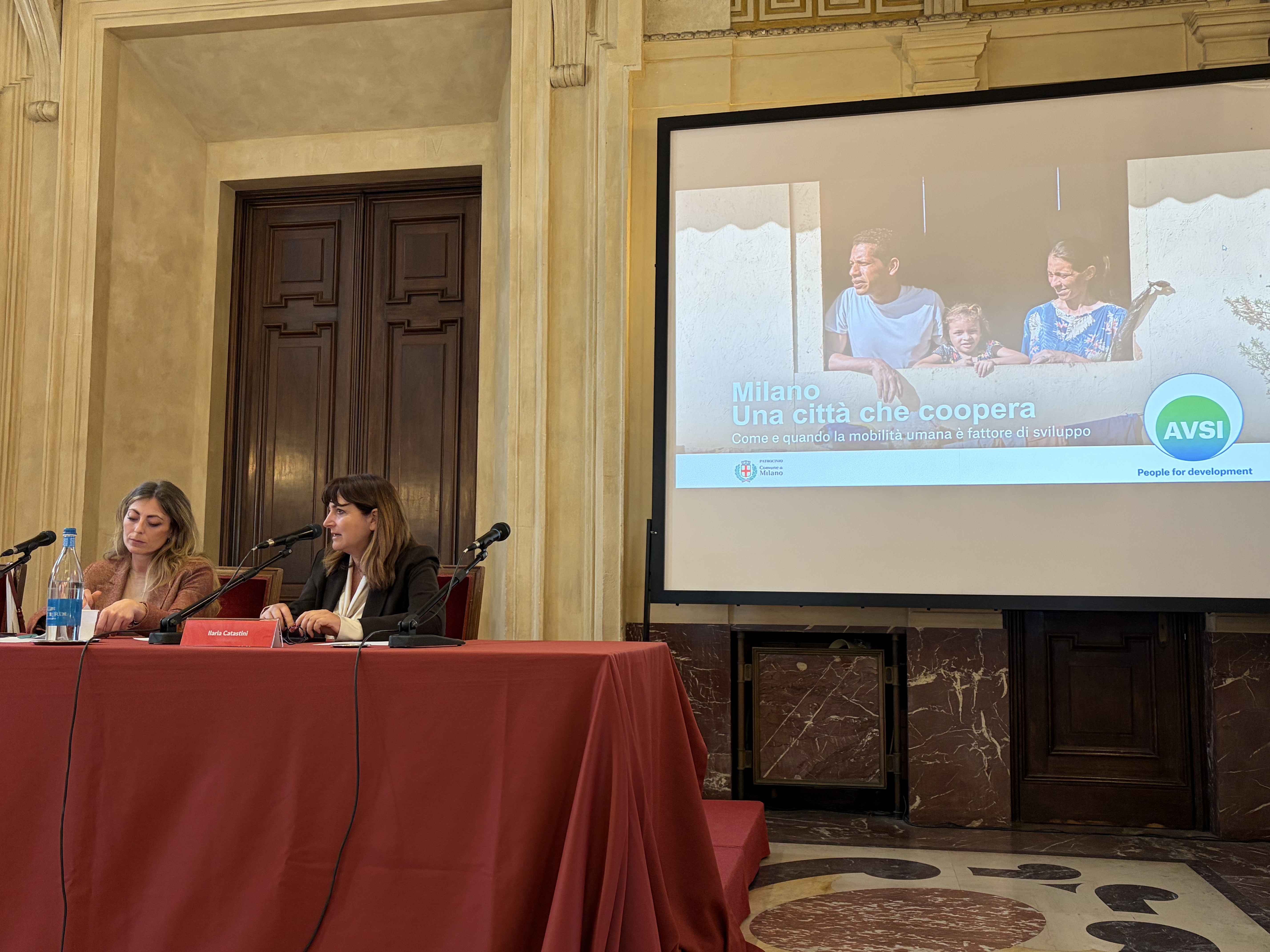
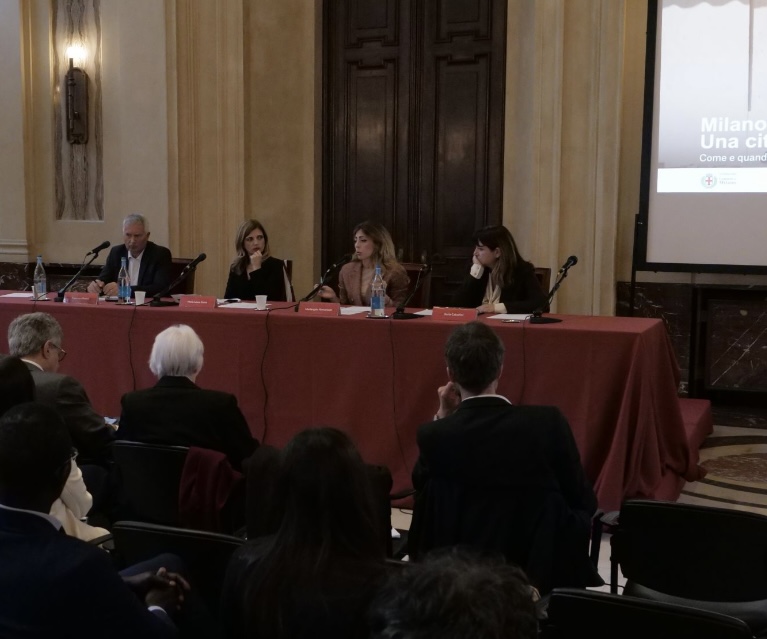
On April 14, 2026, in the splendid setting of the Sala Alessi at Palazzo Marino in Milan, the event “Milan – A City That Cooperates. How and when human mobility is a factor in development”, promoted by AVSI under the patronage of the City of Milan, in anticipation of the national event Coopera, the national conference organized by the Ministry of Foreign Affairs and International Cooperation (MAECI - Farnesina), focused on sustainable development policies.
The event focused on the theme of human capital mobility, understood as a catalyst for development when accompanied by effective programs, strong partnerships, and a comprehensive approach centered on human dignity. Representatives from institutions, international organizations, civil society, and the private sector participated in the meeting, bringing to the table concrete examples of reception programs, workplace integration, efforts to combat exploitation, and the promotion of regular migration.
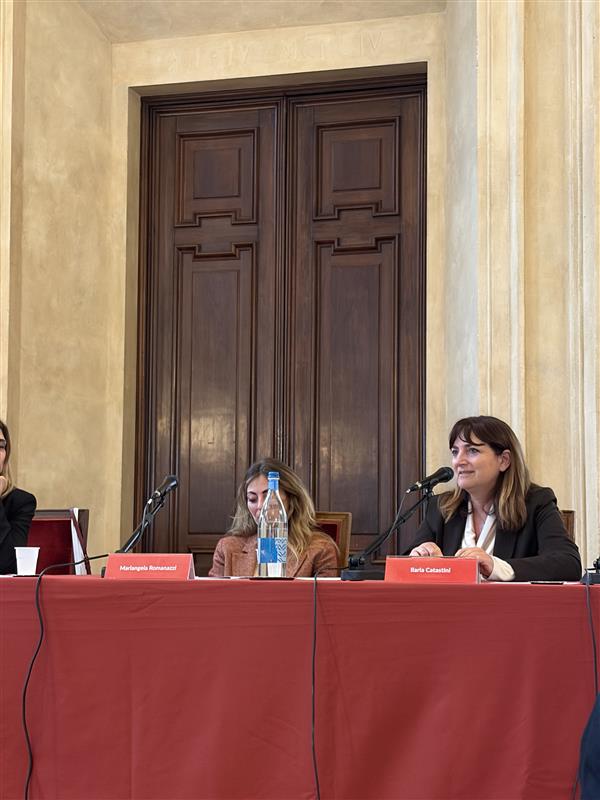
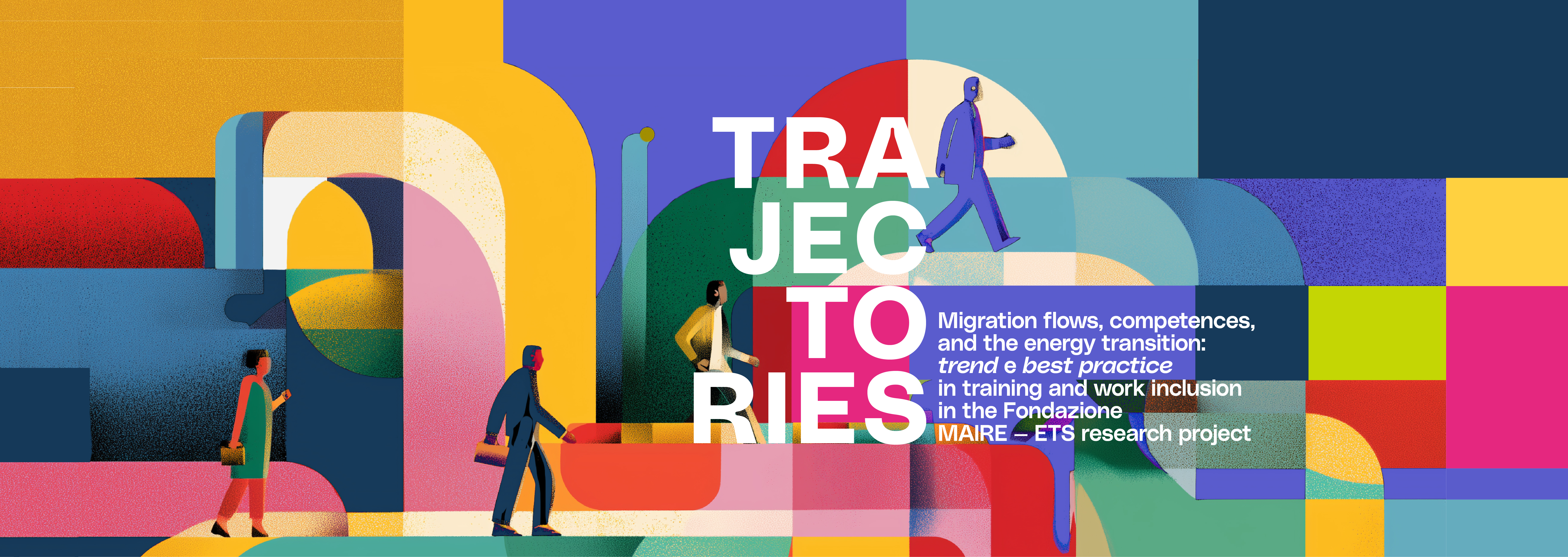
Within this context, our General Manager, Ilaria Catastini, outlined the projects associated with our “TRAJECTORIES” initiative: originated from a call for research grants focused on socio-economic studies to analyze the connections between the energy transition and migration flows—which resulted in a report of the same name comprising eight studies—the initiative now encompasses a much broader range of activities.
With the long-term goal of creating, through the Foundation, a training program that promotes the professional and social inclusion of migrants and refugees in the energy transition sector, “TRAJECTORIES” invites us to view migration flows not as a problem to be solved, but rather as a partial solution to an existing emergency: the shortage of expertise needed to implement the energy transition. Thus, building on the open dialogue with international organizations and institutions during the promotional events launched in 2024 and still ongoing, the project has opened up new horizons and possibilities. On the one hand, by opening a concrete dialogue with key stakeholders to create structured and efficient pathways tailored to the specific needs and challenges arising in current integration processes; on the other, by fostering workforce integration initiatives within companies to prevent the dispersion of a workforce at risk of being lost.
To learn more about the “TRAJECTORIES” project, visit the initiative’s landing page.
Stay tuned for details on all the studies included in the report!