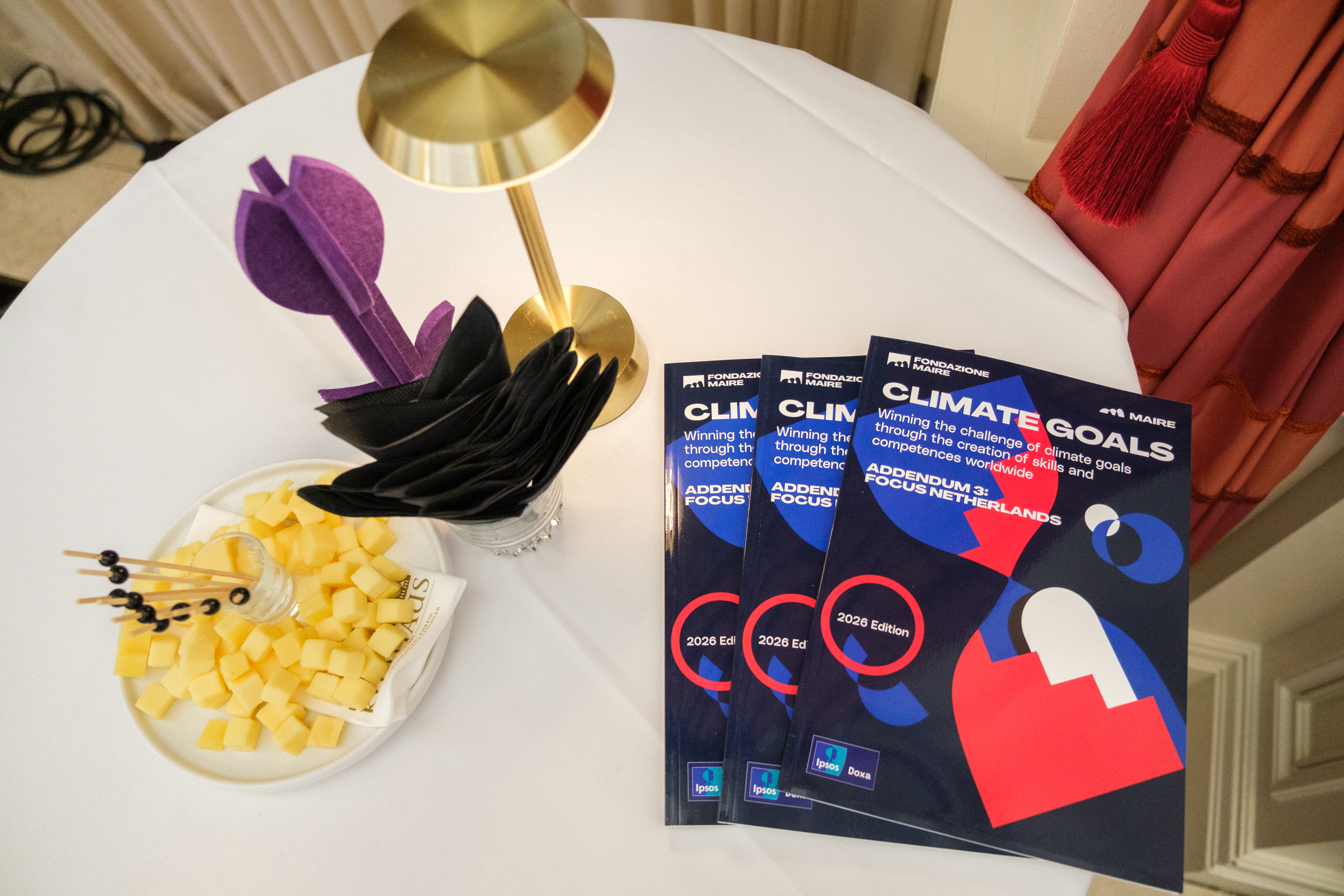
Climate Goals: Addendum 3, focusing on The Netherlands, presented at the Hague in the frame of Nextchem Symposium
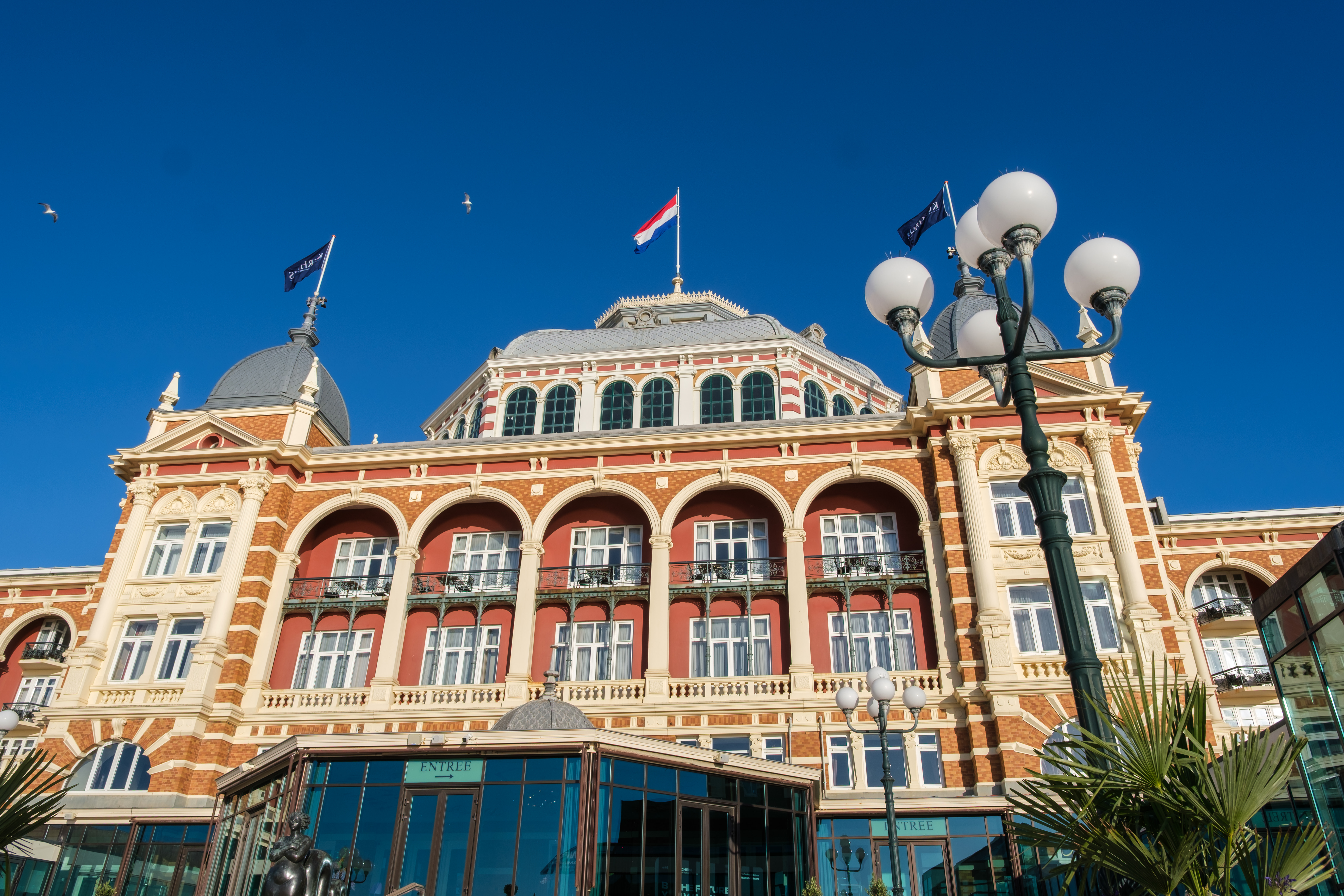
NEWSOn 18 May 2026, as part of the Nextchem branded Symposium in The Hague, took place the presentation of the second research paper of “Climate Goals – Addendum 3”, which focuses on The Netherlands.
The “Climate Goals” research, sponsored by the MAIRE Group and conducted by Ipsos Doxa, is now in its fourth edition, with a European focus covering Germany, The Netherlands and Poland – bringing the total number of countries surveyed to 17, based on 2,850 interviews and 25 in-depth discussions with experts. The study examines, at a global level, the perceived need and urgency regarding the implementation of the energy transition and, within this, the role of training in the new skills required.
This year, a single in-depth paper is dedicated to each new country. Following the publication of the Focus on Germany, the path of Addendum 3 continues with the Focus on The Netherlands.
The survey reveals a country that stands out as one of the most mature European markets but also one of the most demanding in assessing the energy transition: a change that is not only technological, but a broader economic and industrial transformation that requires financial innovation and circular models.
Awareness is almost unanimous (98%) and 59% of respondents declare themselves very informed; the main reasons are climate (35%) and public health (30%), while 33% foresee the creation of new jobs in sustainable sectors.
50% believe that in the next 1-3 years costs will exceed benefits and attribute a key role to institutions in mitigating these costs (through the funding of innovative technologies, subsidies, and incentives). Companies are seen as the main operational driver (57%), with high expectations: 43% indeed consider the current efforts insufficient.
Human capital plays a central role; 75% indicate the need for “hybrid” professional figures that combine technical skills (renewables and recycled materials, both at 47%) and advanced cognitive abilities (critical thinking 57%, problem solving 56%). 70% of respondents recognize the need for upskilling, however favoring a structural and medium-term approach: 41% indicate a 2-3 year horizon to integrate the new skills.
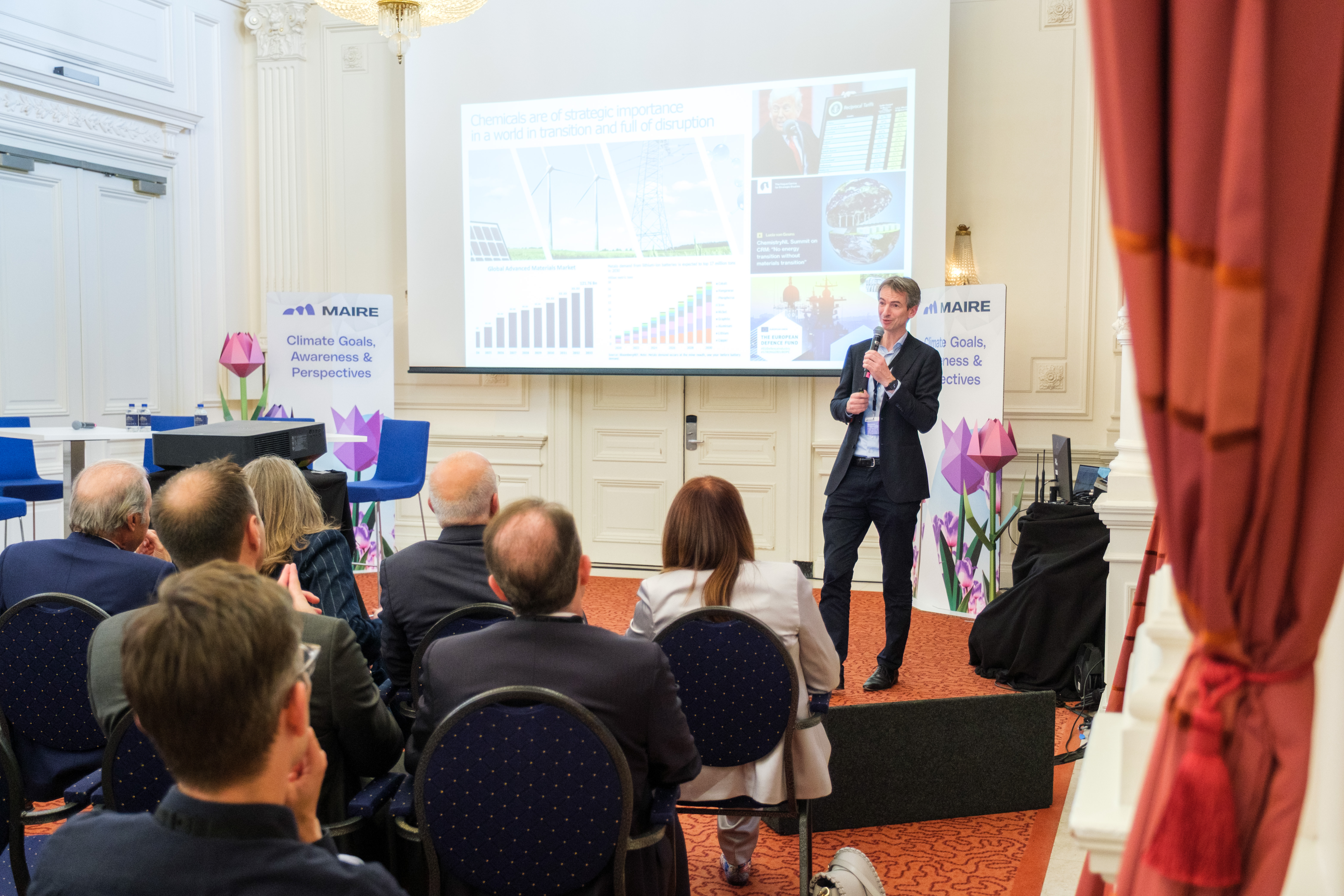
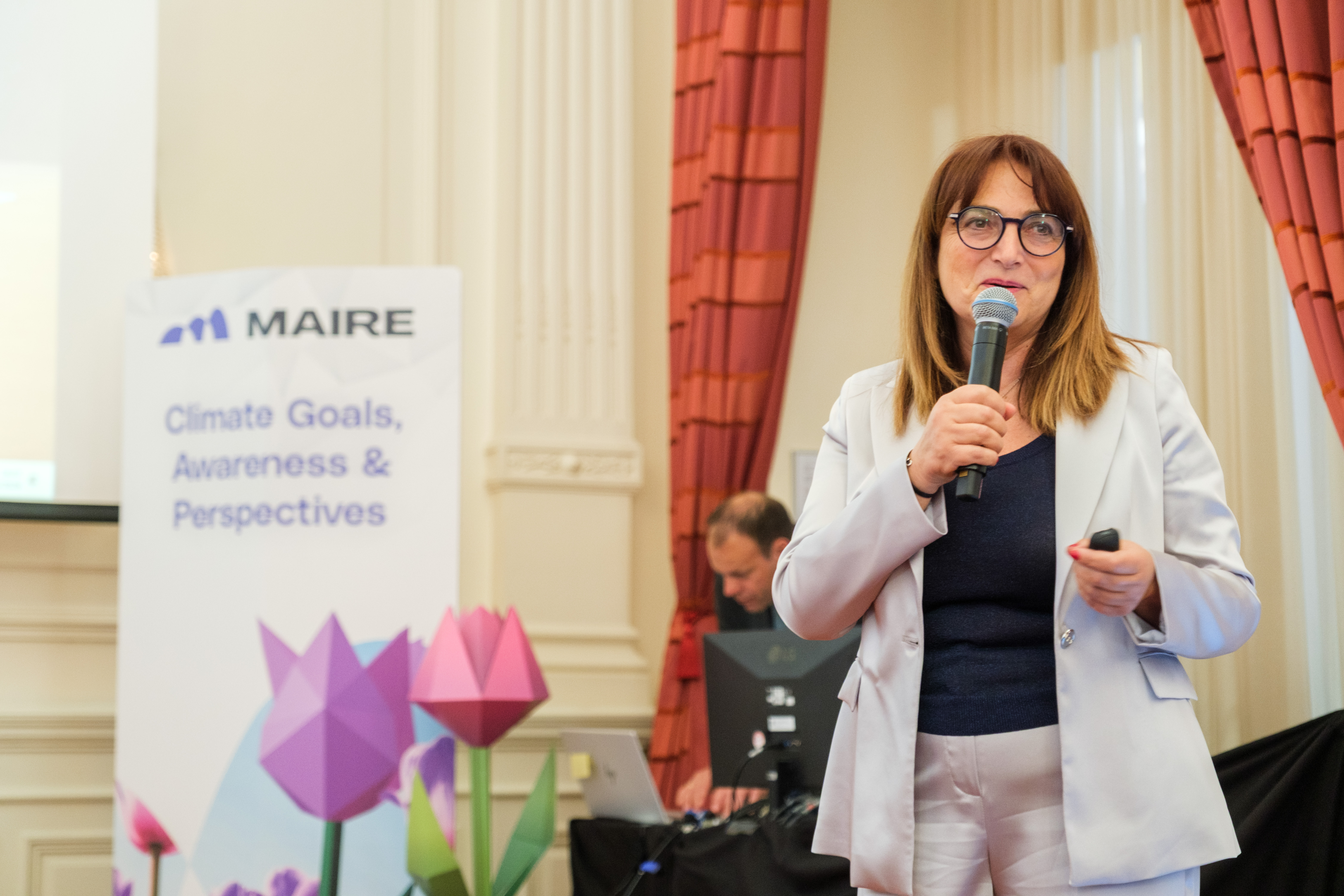
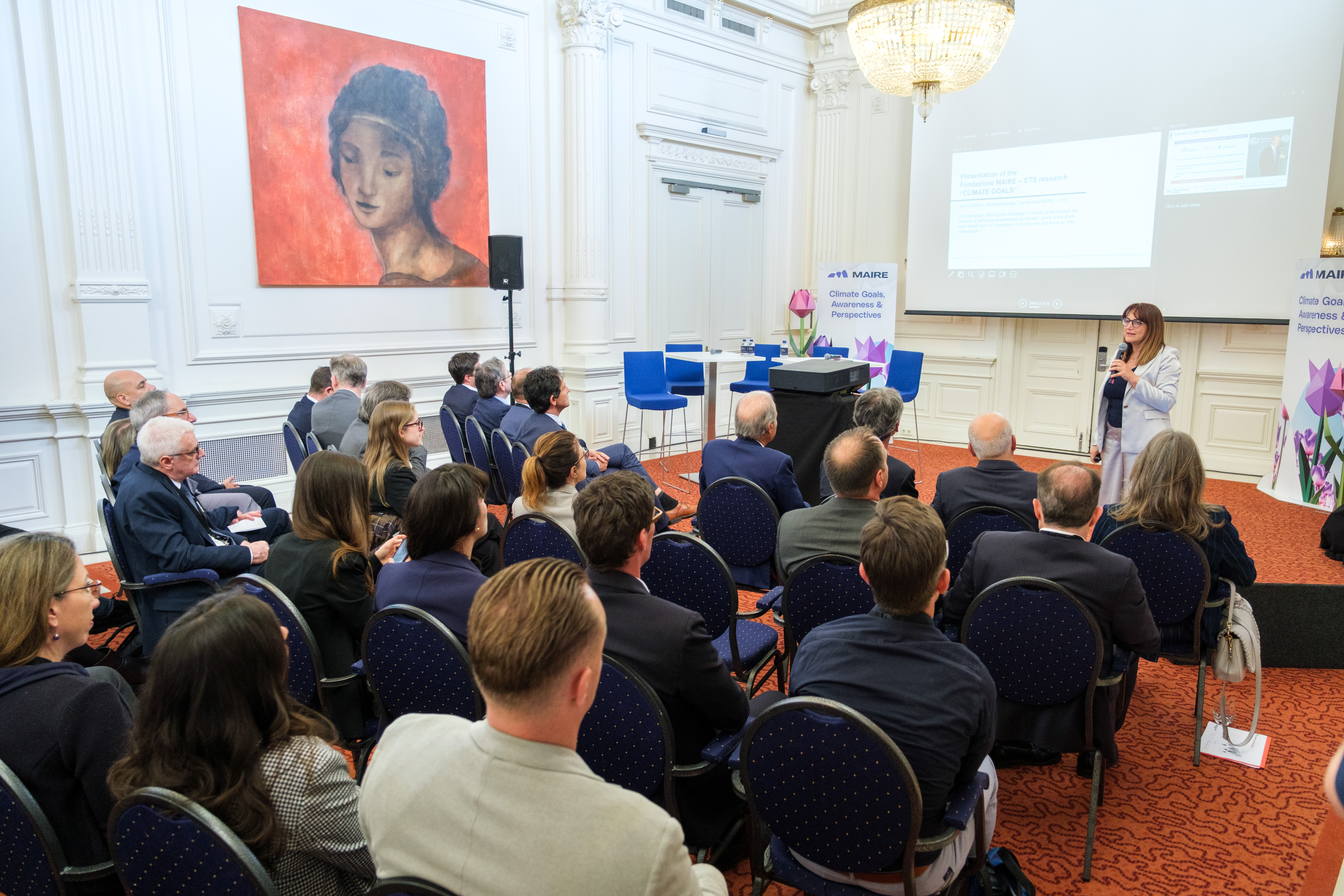
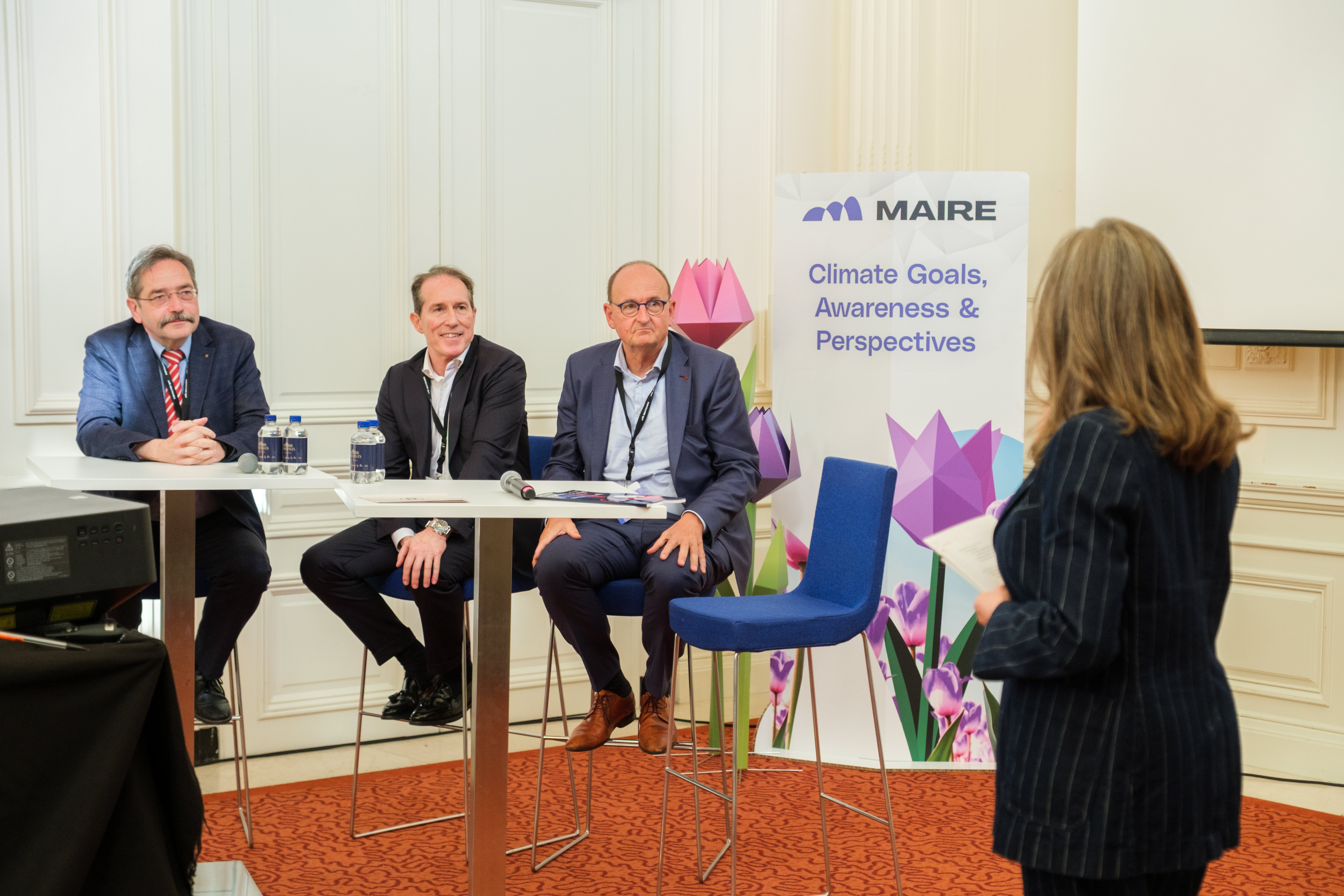
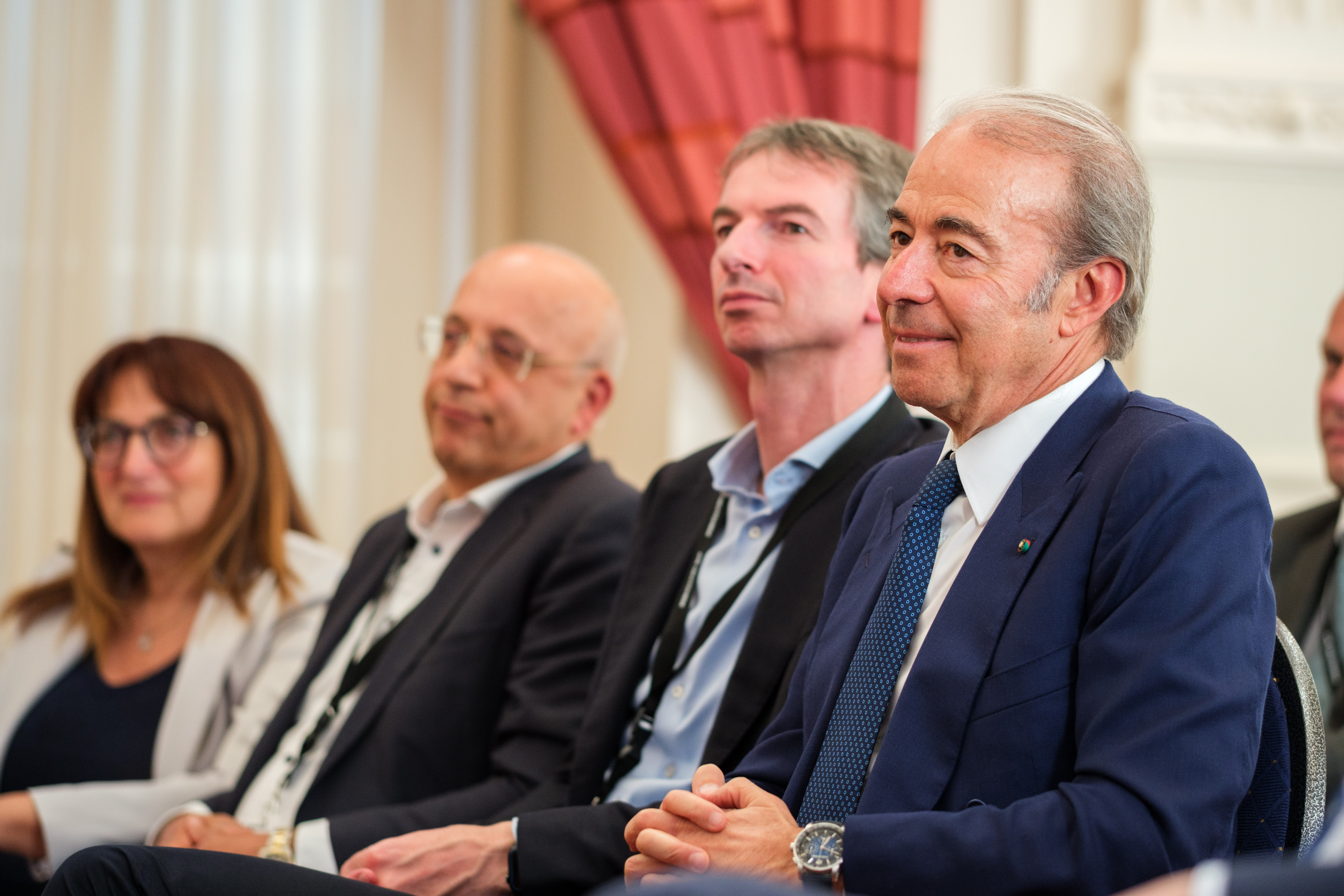
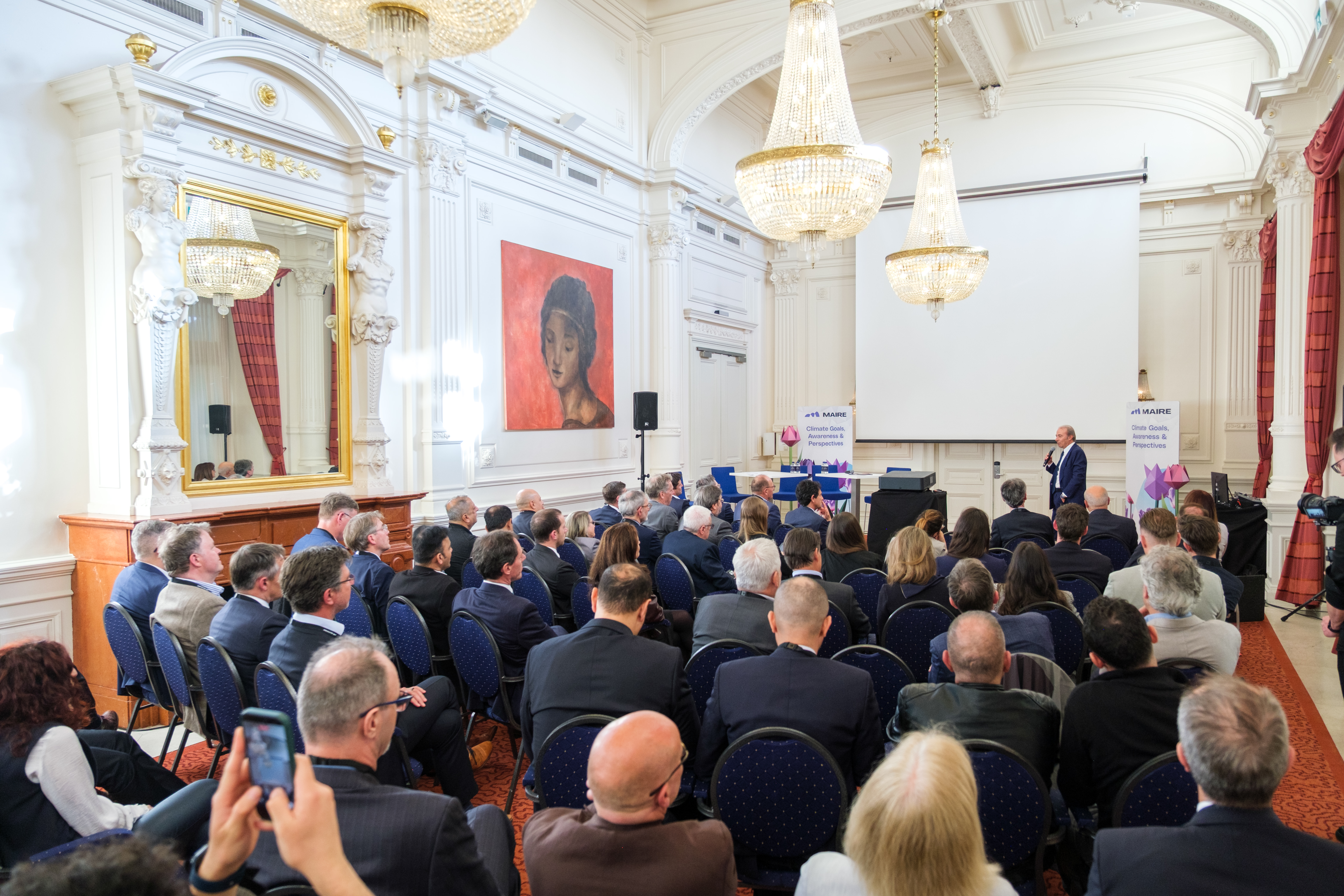
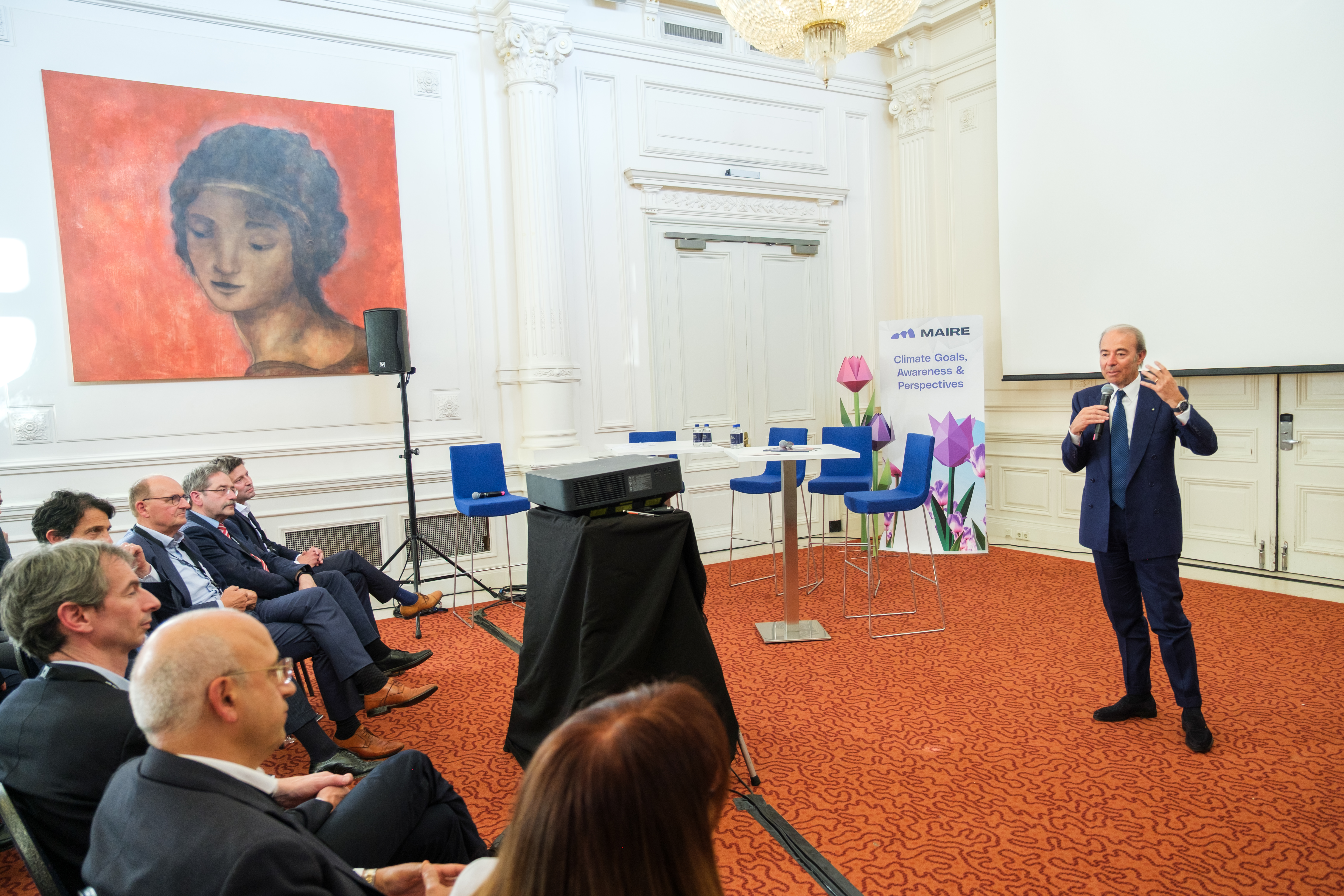
The main findings of the research were presented on May 18, 2026, in The Hague, as part of the Symposium organized by Nextchem, during the event “Climate Goals. Awareness and Perspectives”.
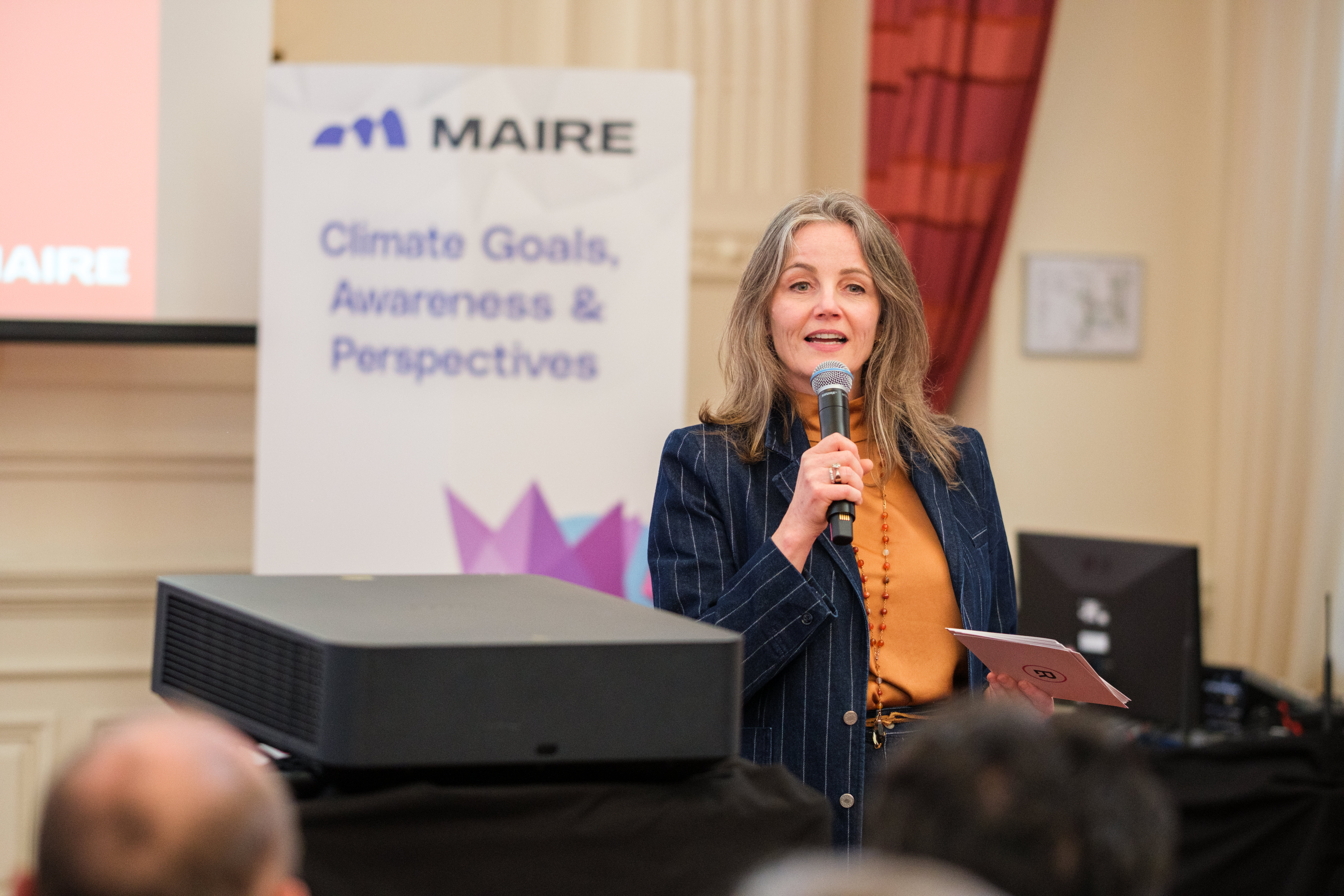
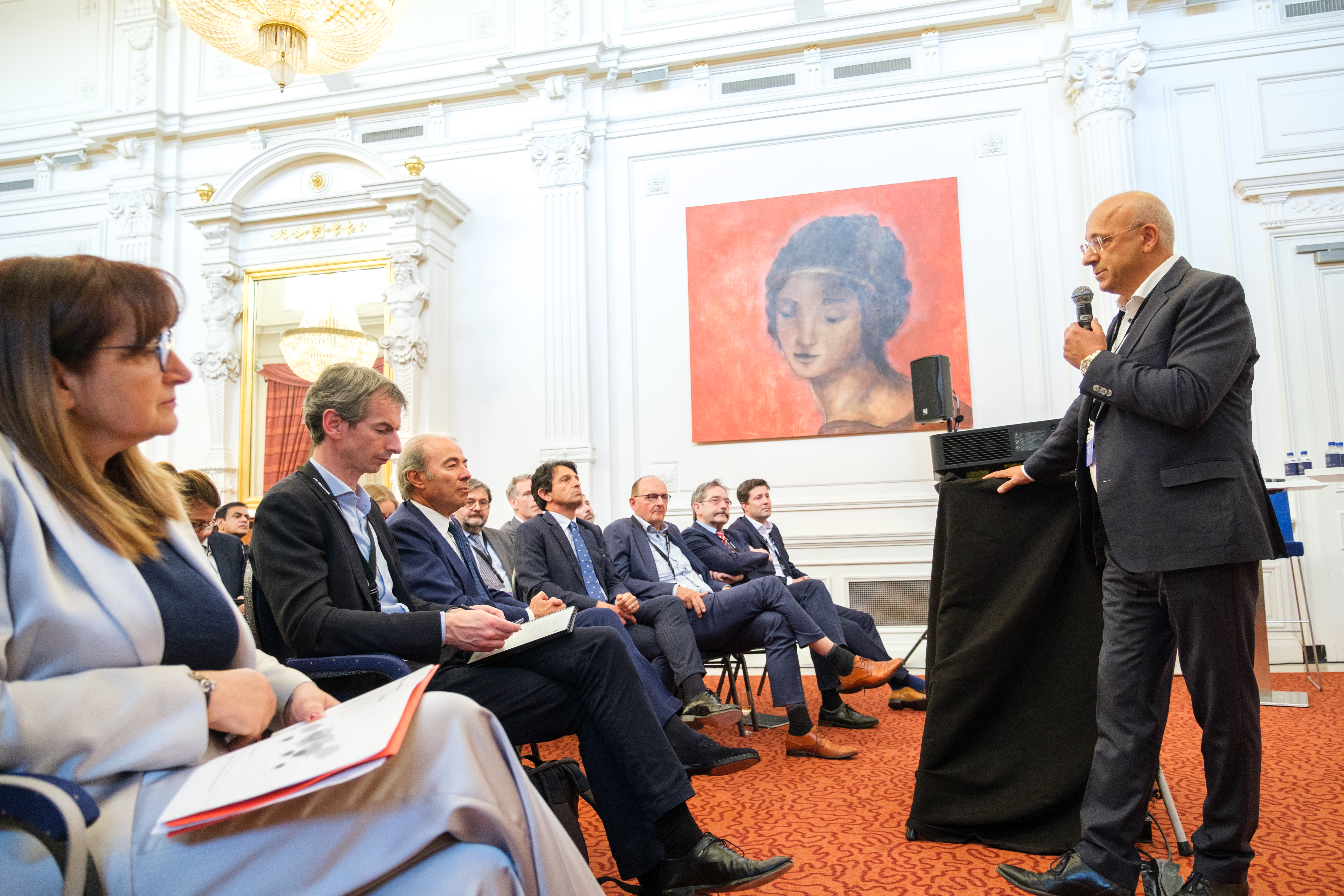
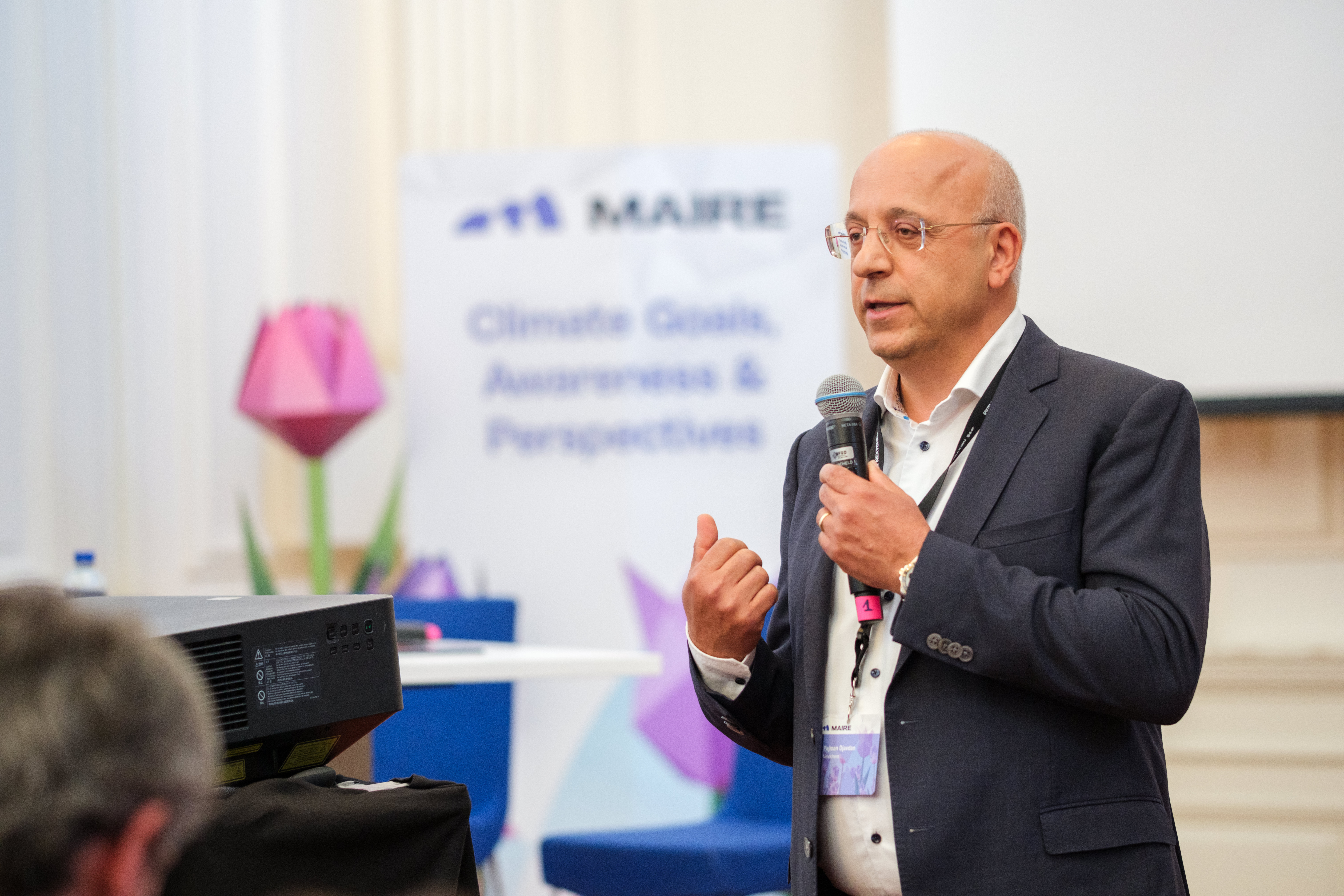
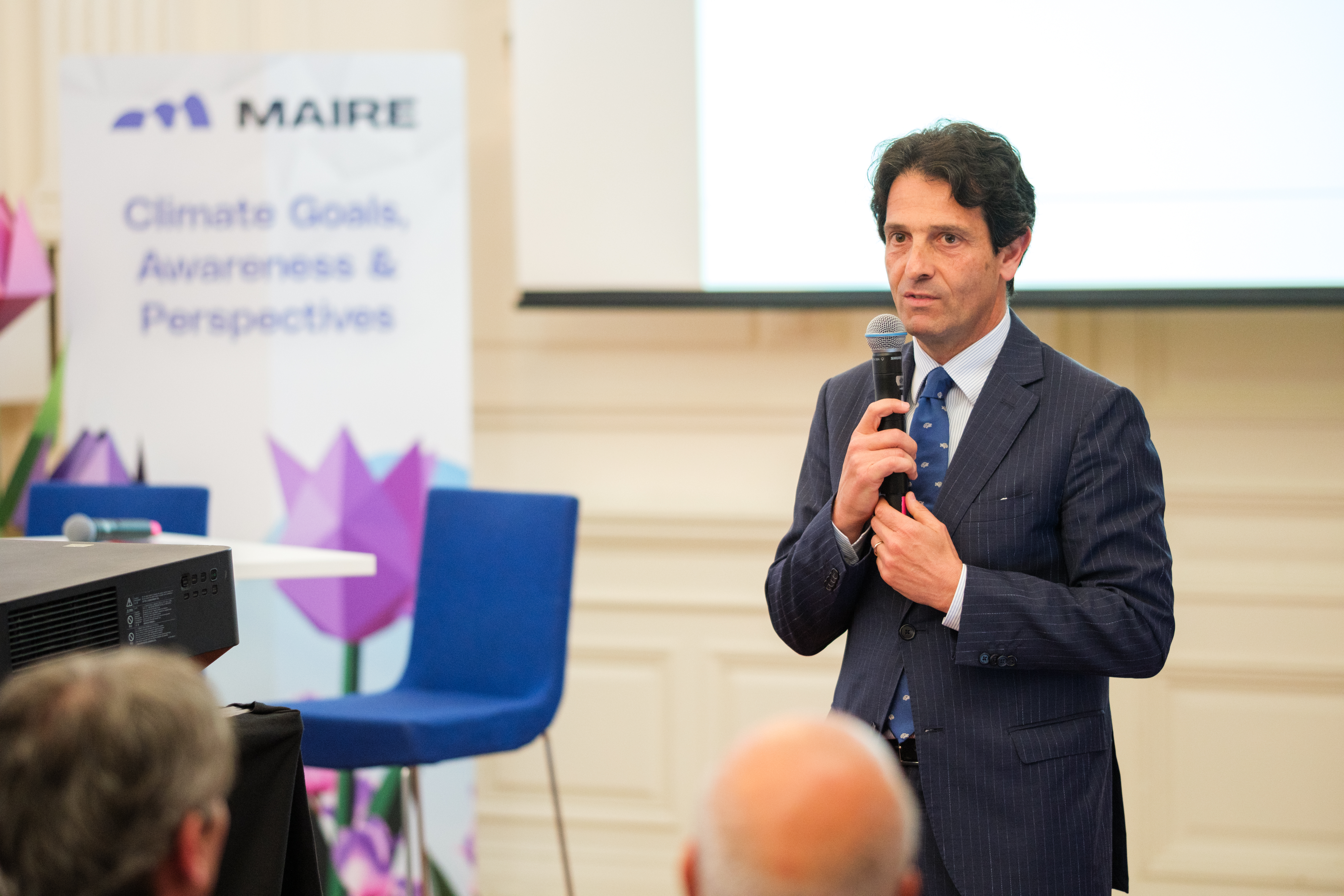
The event saw the participation of H.E. Ambassador Augusto Massari, Ambassador of Italy in the Kingdom of The Netherlands for an institutional welcome; Mark Schmets, Ministry of Economic Affairs and Climate; Pejman Djavdan, CEO Stamicarbon; Ilaria Catastini, General Manager Fondazione MAIRE – ETS presented the results, followed by a panel composed of Fabio Fritelli, Managing Director of Nextchem; Gert Jan de Geus, CEO OCI Nitrogen; Ralph Koekkoek, CEO Blue Circle Olefins; Theo Bovens, member of the Senate (Eerste Kamer) of the Dutch Parliament, with Esther van Rijswijk, as moderator.
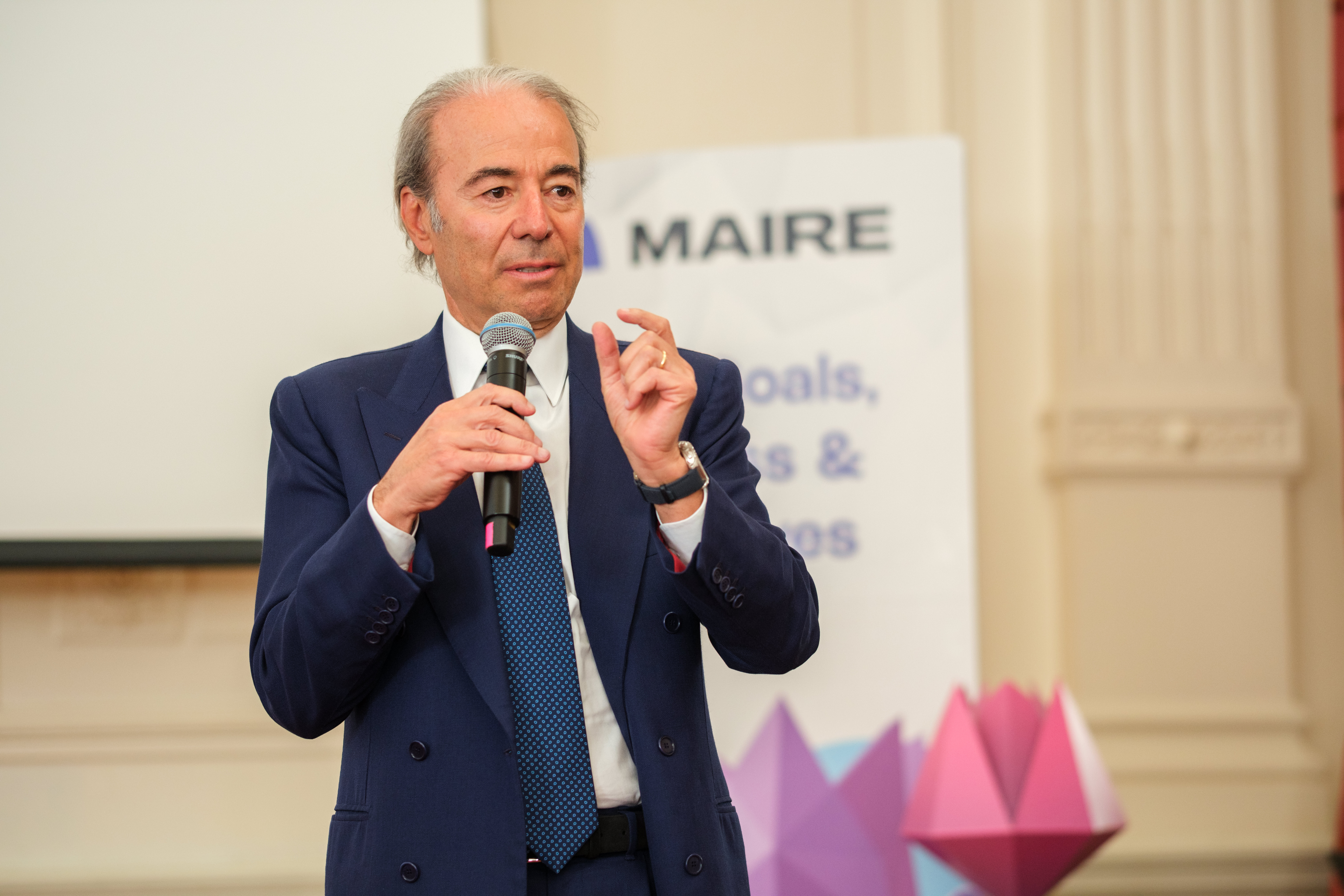
Fabrizio Di Amato, Chairman and Founder of MAIRE and Fondazione MAIRE – ETS, closed the event with his final remarks.
“The Netherlands stands out for near‑universal awareness of the energy transition, confirming that the discussion has moved beyond ‘why’ to the far more demanding question of ‘how’. The data also underlines the urgency: the energy transition is unstoppable, and today credibility depends on closing the gap between expectations and delivery, turning awareness into measurable progress through investment, innovation and skills. MAIRE can contribute to the new energy scenario through its technology and execution capabilities.”
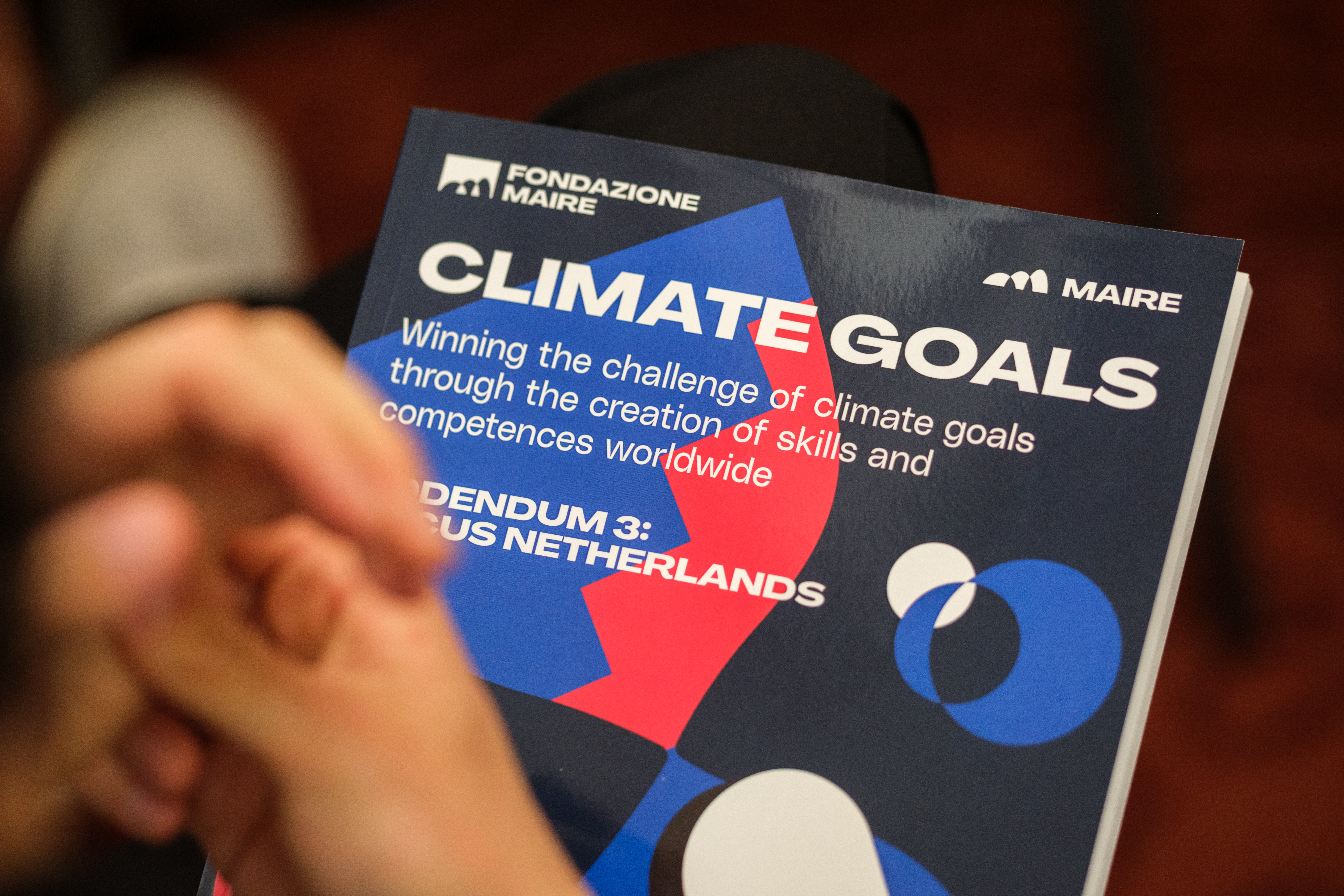
For further information on the research report “Climate Goals. Addendum 3: Focus on The Netherlands”: Climate goals addendum 3 2026 | Fondazione
To explore these topics in more depth and read all our publications: Studies | Fondazione.