Fondazione MAIRE — ETS at the European Parliament to discuss about the future and skills for the Energy Transition: examples of activities with the youth
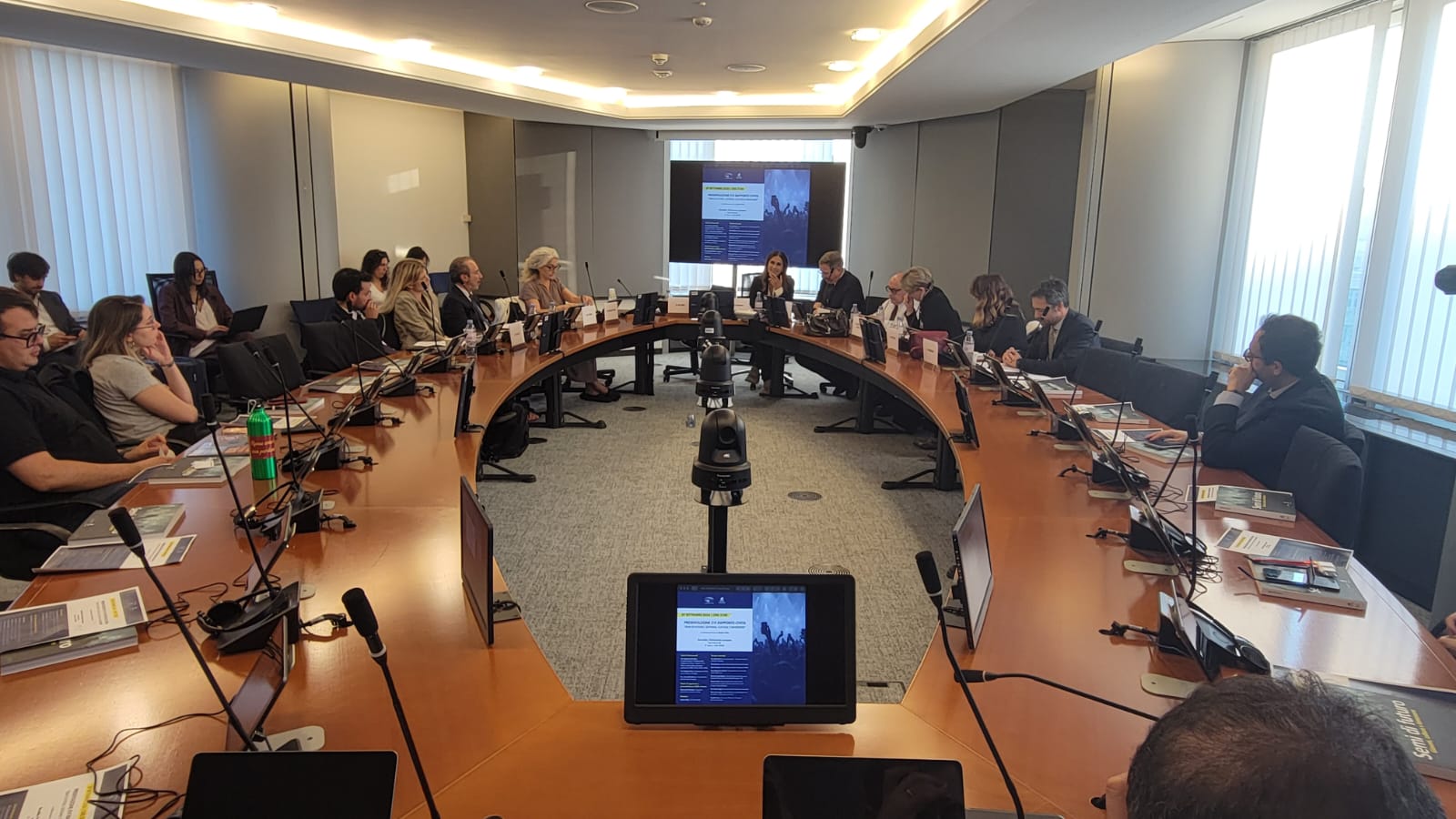
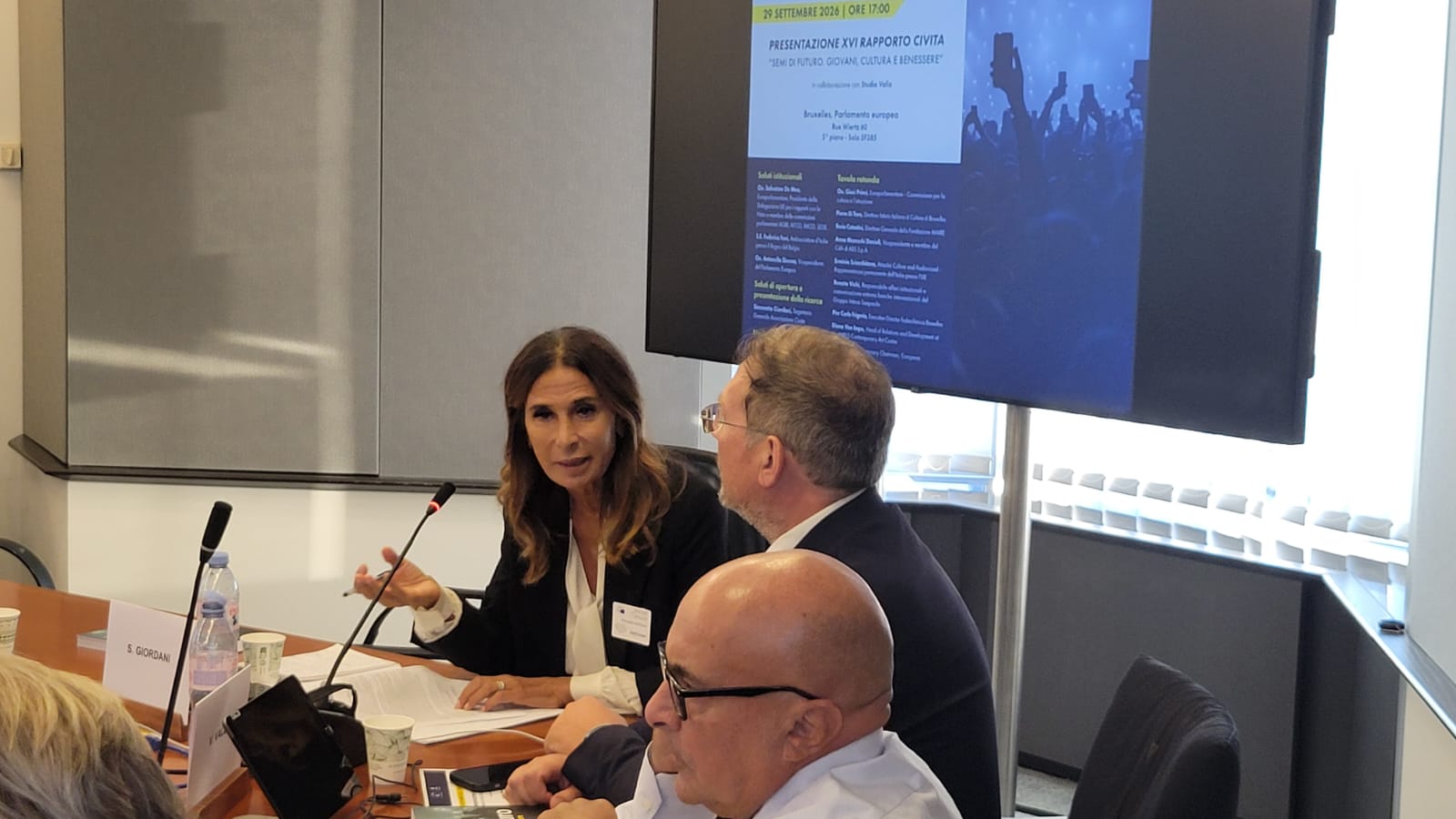
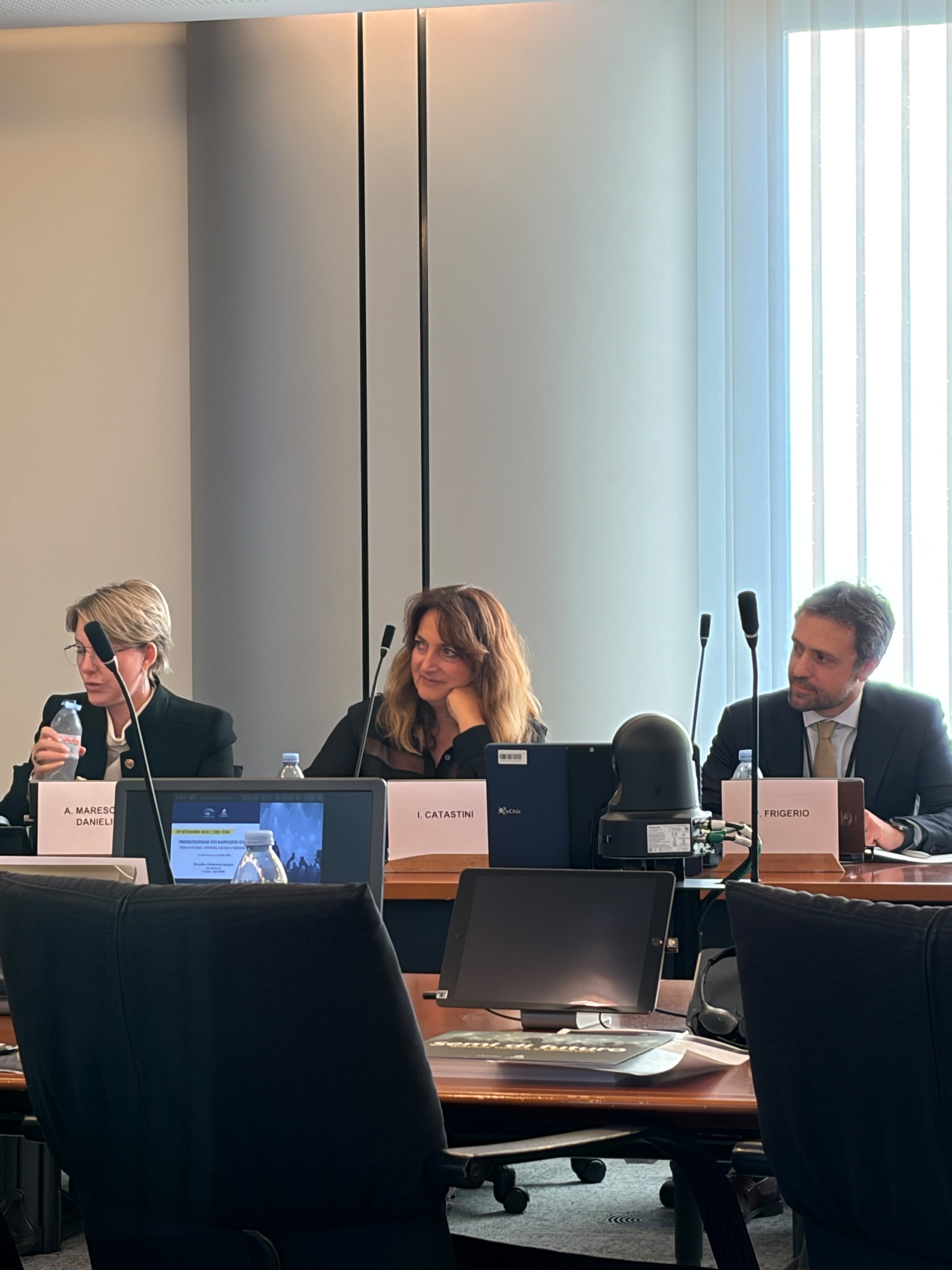
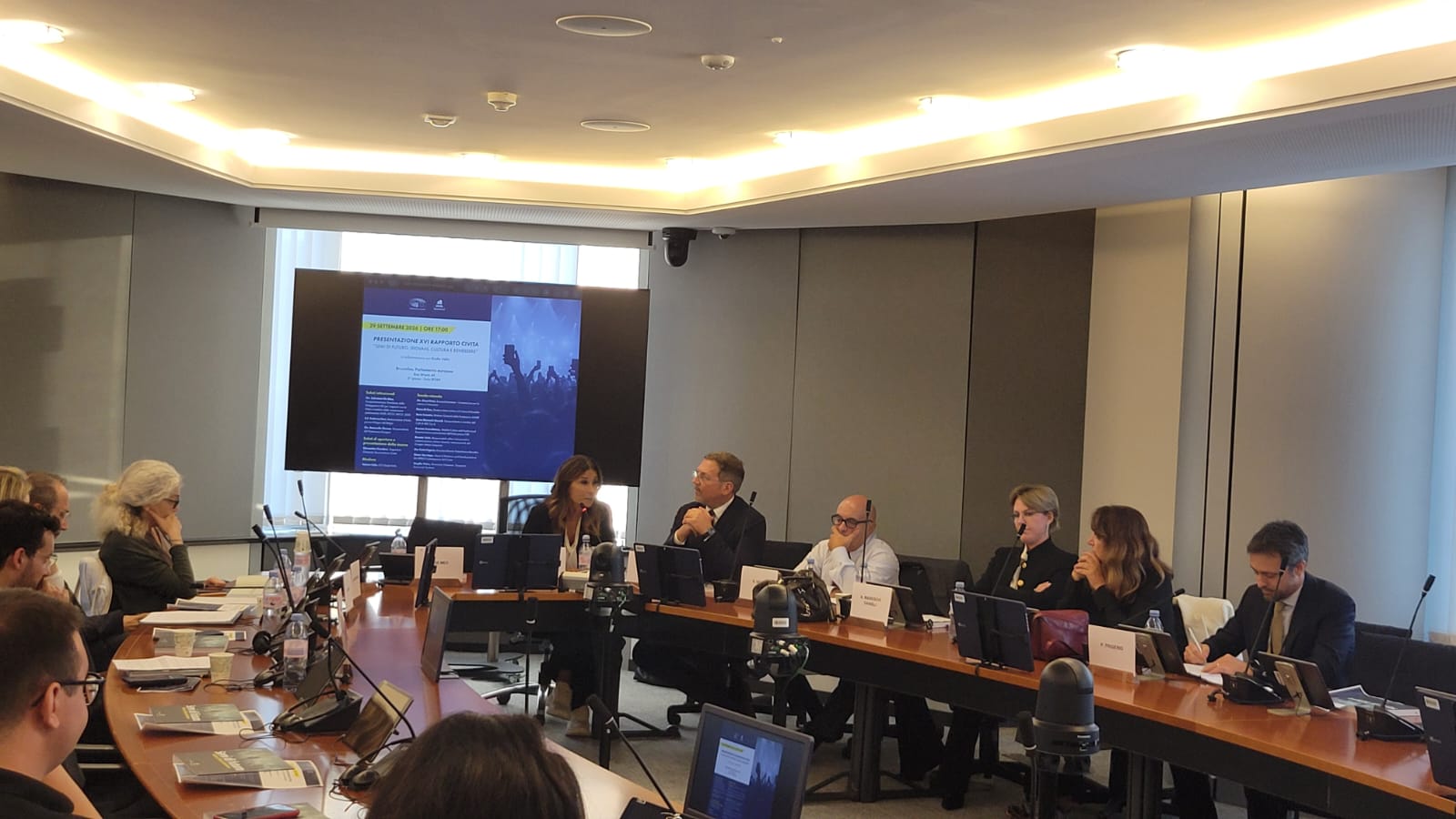
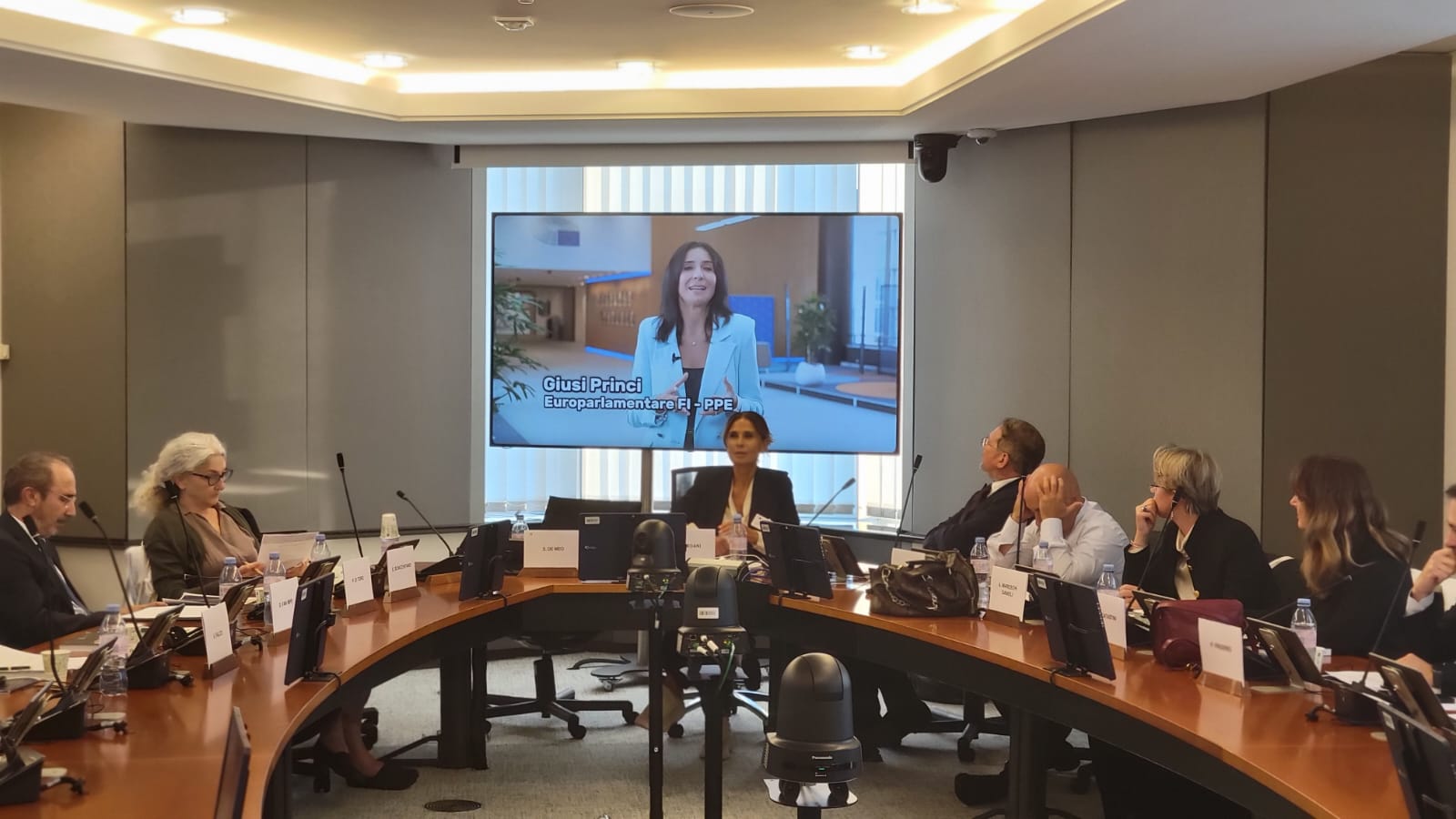
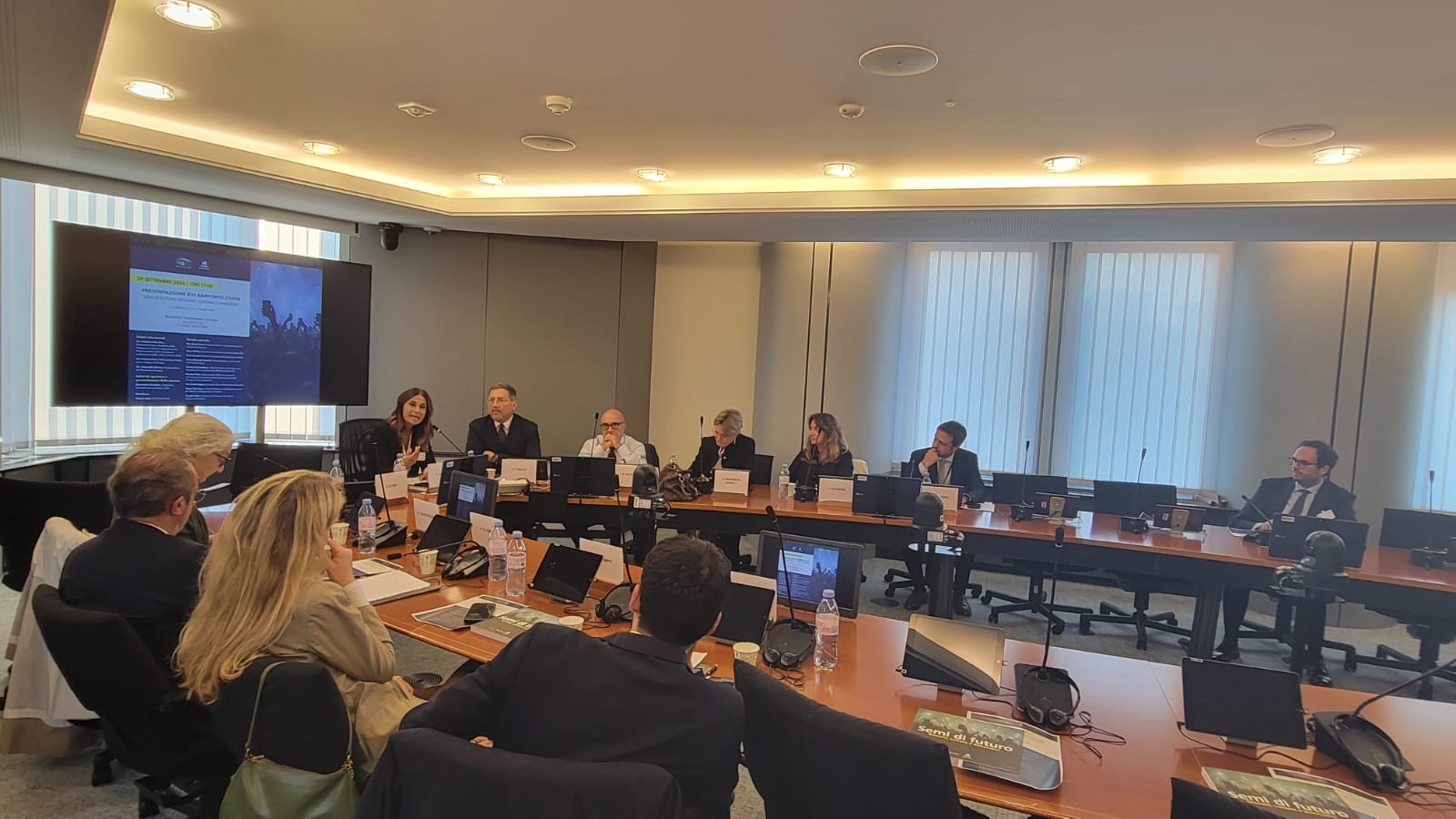
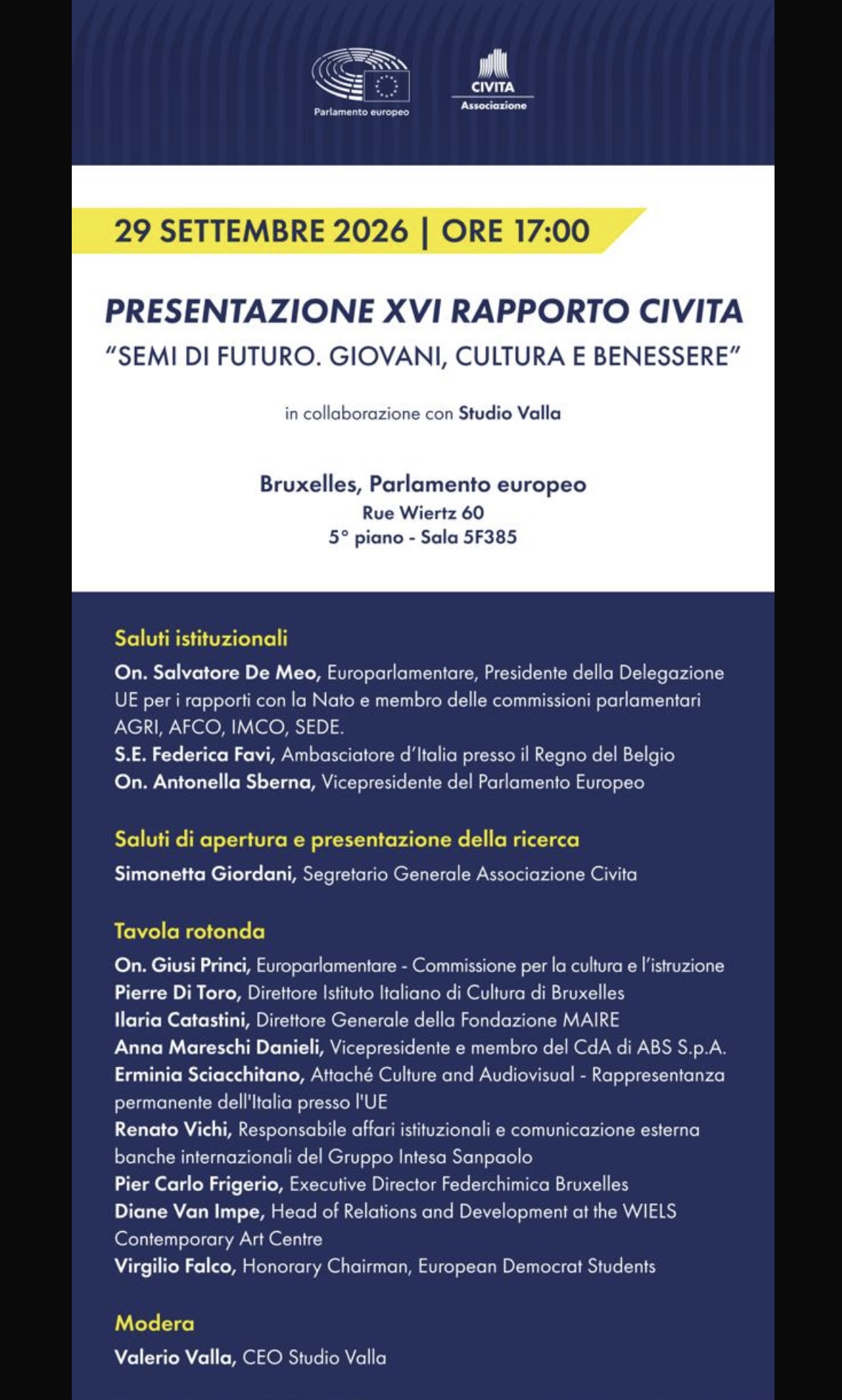
NEWSThe presentation of the 16th Civita Report, “Semi di futuro. Giovani, cultura e benessere” (“Seeds of the Future: Youth, Culture, and Well-Being”) took place on September 29, 2026, at the European Parliament in Brussels. Among the key participants in the debate was Ilaria Catastini, Executive Director of the Fondazione MAIRE – ETS, who brought the findings of the international research “Climate Goals” to the audience’s attention, offering insights into the connection between the energy transition, skills development, and the future of young people. The discussion also featured concrete examples of activities carried out for the youth.
At a historic moment marked by profound changes, reflecting on the future of the younger generations means going beyond the issues of employment and education to consider the conditions that make a fulfilling, engaged, and sustainable life possible. It is from this awareness that “Semi di futuro. Giovani, cultura e benessere” (“Seeds of the Future: Youth, Culture, and Well-Being”) the 16th Civita Report, was born; it was presented at the European Parliament at the initiative of the Civita Association.
Produced with scientific support from the SWG Research Institute and published by Marsilio, the report surveyed 1,500 young Italians between the ages of 16 and 24, exploring the link between well-being, cultural participation, education, work, and active citizenship. At the heart of the discussion was the need to create pathways that enable younger generations to realize their potential, participate in community life, and navigate with greater awareness the transformations that are reshaping contemporary society. The choice of the European Parliament as the venue for the meeting was no coincidence: this setting provided the discussion with an international perspective, highlighting the connection between youth, inclusion, culture, innovation, and sustainability as drivers for building Europe’s future. The dialogue, moderated by Simonetta Giordani, Secretary General of the Civita Association, and Valerio Valla, CEO and Founder of Studio Valla European Consulting and an expert in local development, brought together representatives from European and Italian institutions, as well as from the cultural and business sectors, fostering an open discussion on the role of the younger generations in tomorrow’s society.
It was in this context that Ilaria Catastini, General Director of the Fondazione MAIRE – ETS, made her presentation, bringing to the panel’s attention the results of the international study “Climate Goals: Winning the Challenge of Climate Goals Through the Creation of Skills and Competencies Worldwide”, a survey conducted by Ipsos Doxa for the Foundation and supported by the MAIRE Group.
The research, which will be updated annually starting in 2023, currently covers 17 countries across 4 continents, with 2,850 interviews and 25 in-depth discussions with experts. The study analyzes global perceptions of the energy transition and the importance placed on developing the skills needed to make it possible. One finding stands out in particular: to achieve climate goals, technology, investment, and infrastructure alone are not enough; we need skilled people, new professional roles, and training programs capable of supporting this change.
The results of the 2026 edition show that, internationally, awareness of the importance of the energy transition is becoming increasingly widespread. At the same time, they highlight that the countries investing the most in training and upskilling are also the ones that view the opportunities offered by the ongoing energy and industrial transformation with the greatest confidence.
The presentation by the Fondazione MAIRE – ETS thus helped broaden the debate on the well-being of the younger generations, emphasizing how access to knowledge and skills is a fundamental driver not only for employability but also for active participation in shaping the future. To illustrate how these principles can be translated into concrete actions, Ilaria Catastini shared some of the initiatives promoted by the Foundation in the local community, describing its commitment in Rome’s suburbs through guidance and training programs dedicated to young people and their families (the “Energie Giovani” project), the work carried out in collaboration with the Islamic Cultural Center of Italy — the Grand Mosque of Rome — to promote inclusion and access to educational opportunities (the “Energy Pathways” project), initiatives to introduce girls to STEM disciplines, and cultural projects such as EvolveArt, designed to nurture the creative potential of the younger generation.
“While the report highlights a picture of vulnerable young people—digitally hyperconnected yet socially isolated—who struggle to understand how to navigate the complexities of the future, the debate revealed that listening and active, concrete engagement may be the way forward. This vision reinforces the Foundation’s approach in its decision to conduct only in-person activities, to foster the building of human relationships; the integration of AI into these activities never undermines the fundamental principle: people at the center.” – commented Ilaria Catastini.
From skills for the energy transition to educational, cultural, and inclusion initiatives, the Brussels meeting confirmed that investing in people means investing in the future. A future that is being built today through dialogue among institutions, businesses, and civil society, creating concrete opportunities for growth, participation, and development for future generations.